Beyond the Paperwork: The Real Healthcare Trends Shaping Malaysia
Every day, we are flooded with information. From official government notices to complex regulatory updates, it can be difficult to see the big picture. While these administrative details are important, they often miss the real story happening on the ground. The true evolution of healthcare isn’t found in paperwork; it’s happening in our clinics, hospitals, and even in our homes. Across Malaysia, a quiet yet powerful transformation is underway, driven by new ideas and technology designed to make healthcare more personal, accessible, and effective. In this article, we will look past the official announcements and explore the tangible trends that are actively reshaping the patient experience and setting the stage for a healthier nation.
From Clinic Queues to Couch Consultations
Not long ago, seeing a doctor meant travelling, taking time off work, and waiting in a queue. Today, that is rapidly changing. The rise of telemedicine, or digital consultations, has become one of the most significant shifts in our healthcare landscape. Fuelled by necessity during the pandemic, it has now proven its worth as a convenient and efficient way to access medical advice. For Malaysians in bustling cities like Kuala Lumpur or those in more remote areas, the ability to consult a doctor via a video call offers unparalleled ease. This is particularly useful for follow-up appointments, managing long-term conditions like diabetes or high blood pressure, and seeking mental health support in a private and comfortable setting. It represents a fundamental change in how we view doctor-patient interactions.

Connecting the Dots with Digital Health Records
For years, our medical histories have been scattered across different clinics and hospitals in physical files and folders. This fragmentation can lead to repetitive tests, communication gaps between specialists, and delays in treatment during emergencies. The move towards integrated Electronic Health Records (EHRs) aims to solve this. The vision is a secure, centralised system where a patient’s complete medical history is accessible to authorised healthcare providers, no matter where they are. For patients, this means smoother, safer, and better-coordinated care. For doctors, it means having a complete picture of a patient’s health, enabling more accurate diagnoses and treatment plans. While building a national system is a massive undertaking, the progress being made is a crucial step towards a truly connected healthcare ecosystem.
Smarter Healthcare with a Helping Hand from AI
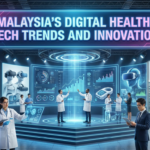
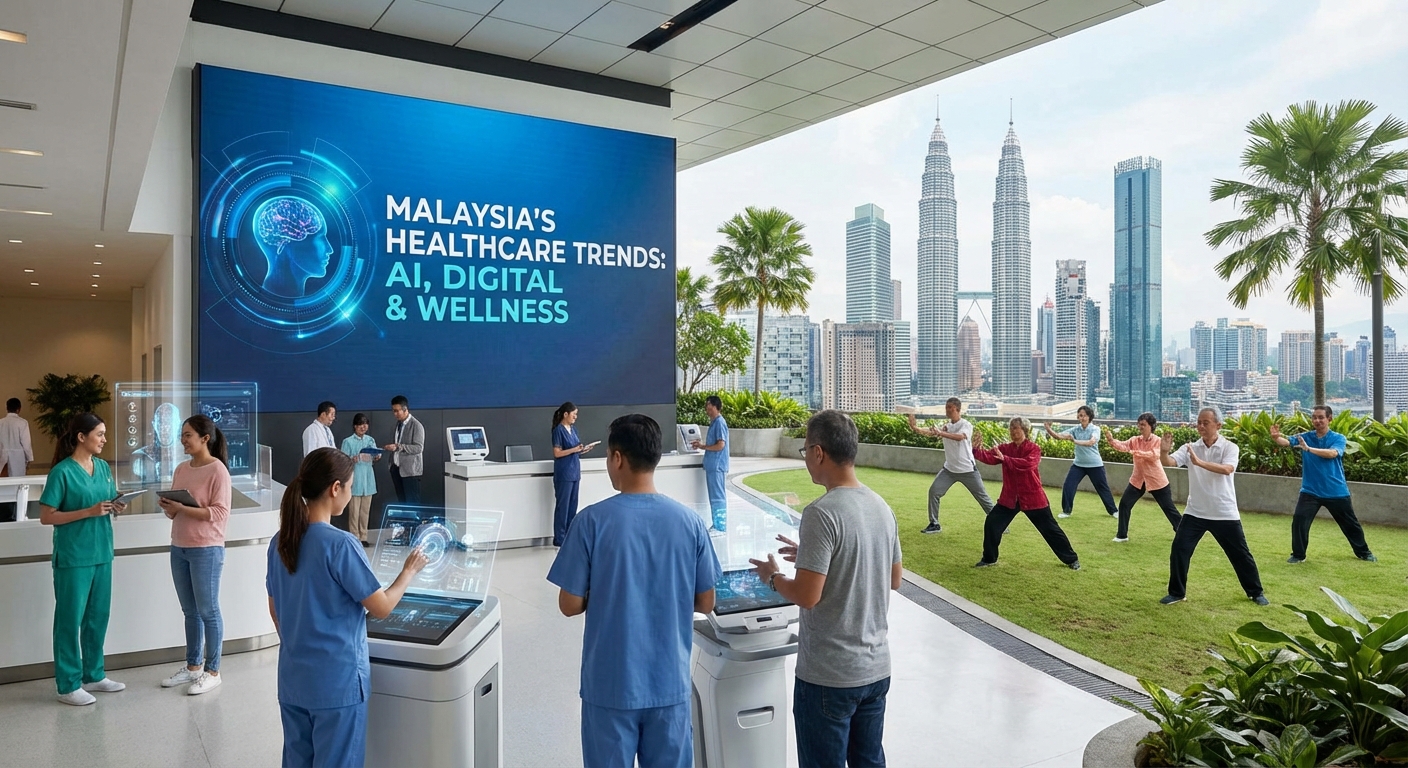
The idea of artificial intelligence in medicine might sound like science fiction, but its practical applications are already making a difference. Rather than replacing doctors, AI is becoming an invaluable assistant, helping to enhance their skills. Among the most promising emerging healthcare technologies in Malaysia is the use of AI in diagnostics. These smart systems can be trained to analyse medical images like X-rays and MRI scans, helping to flag potential issues that the human eye might miss. This can lead to earlier detection of diseases, improving patient outcomes. Beyond diagnostics, AI can also help hospitals manage resources more efficiently, predict disease outbreaks based on data patterns, and even assist in developing personalised treatment programmes for patients.

A New Focus on Staying Well
There is a growing understanding in Malaysia that preventing an illness is far better than treating one. This has led to a significant shift towards preventive healthcare and wellness. More and more, the focus is on empowering individuals to take an active role in their own health. Government initiatives, such as the Agenda Nasional Malaysia Sihat, are encouraging healthier lifestyles through better nutrition and regular physical activity. At the same time, many employers are introducing corporate wellness programmes to support the health of their staff. This trend is also supported by the rise of wearable technology like smartwatches, which allow people to easily monitor everything from their daily steps and heart rate to their sleep quality, making health a conscious, everyday priority.
Innovating for Our Golden Years
Like many nations, Malaysia has an ageing population. This demographic shift brings with it a unique set of challenges and opportunities for the healthcare sector. We are now seeing a wave of Malaysian healthcare innovations specifically designed to improve the quality of life for our senior citizens. This goes beyond traditional nursing homes to include concepts like technology-enabled home care, where sensors and smart devices can monitor an elderly person’s safety and well-being, allowing them to live independently for longer. Modern aged care facilities are also being redesigned to be more community-focused and less institutional, offering a better environment for residents. These developments are critical in ensuring our elders can age with dignity, comfort, and the specialised care they deserve.
The healthcare landscape in Malaysia is clearly on the move. The changes we are seeing today go far beyond simple upgrades; they represent a fundamental rethinking of how we deliver and receive care. From the convenience of telemedicine and the clarity of digital health records to the supportive power of AI and a stronger focus on preventive wellness, the industry is becoming more patient-centric. These trends, including specific innovations for our ageing population, are not just about adopting new technology. They are about building a more efficient, accessible, and compassionate healthcare system for every Malaysian. The journey is ongoing, but the direction is clear, pointing towards a future where quality healthcare is more integrated into the fabric of our daily lives.