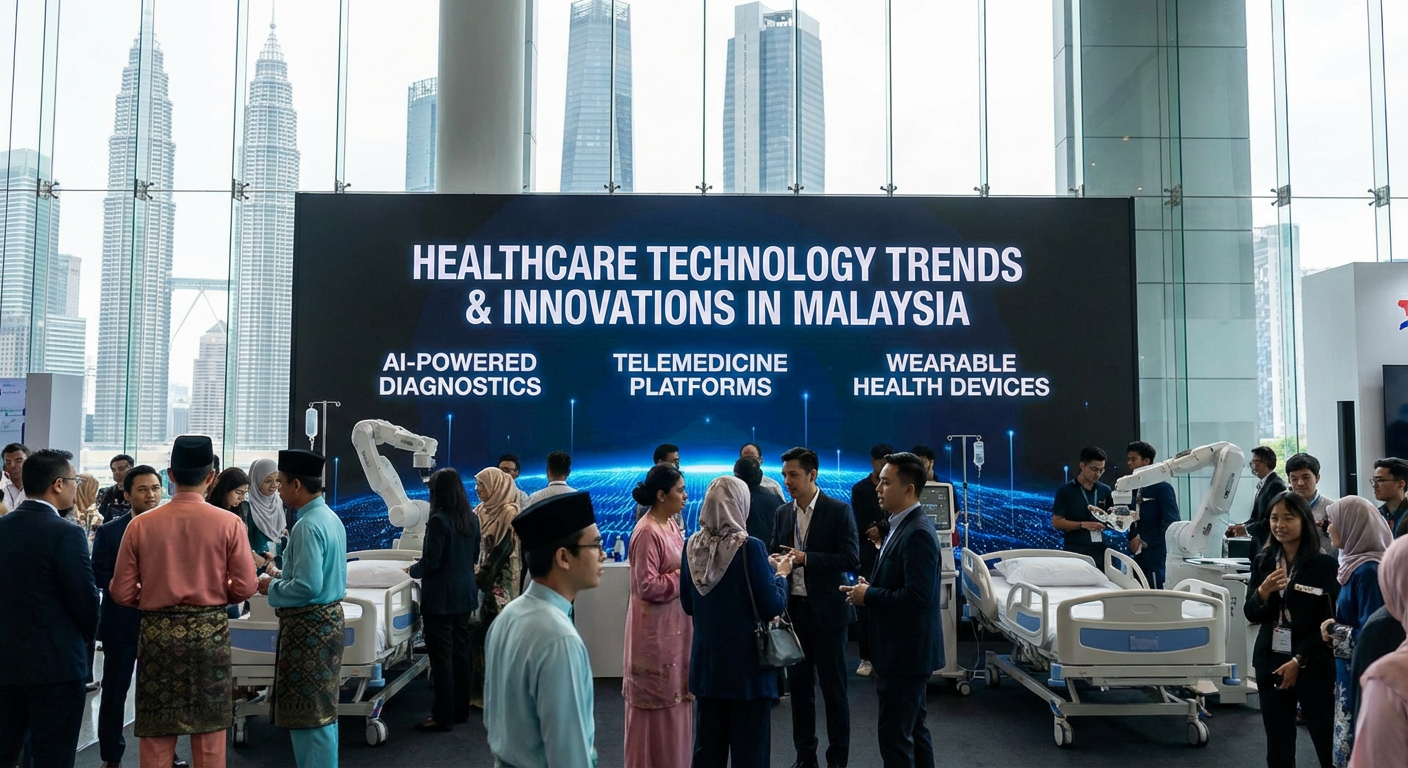
Ever imagined having a consultation with your doctor from the comfort of your living room in Penang, or a health plan designed specifically for your unique genetic makeup? What once felt like a scene from a futuristic film is rapidly becoming our new reality. The world of medicine is undergoing a remarkable transformation, driven by technology and a deeper understanding of the human body. For us in Malaysia, this isn’t just a distant global phenomenon; it’s happening right here, poised to redefine how we manage our health. In this article, we’ll explore the exciting shifts in healthcare, from the convenience of virtual appointments to the precision of AI-assisted diagnoses, and consider what these advancements mean for every Malaysian seeking better, more accessible care.
The Doctor Is Just a Click Away
The days of spending hours in traffic and waiting rooms for a simple follow-up are fading. Telemedicine, or virtual healthcare, has firmly established its place in Malaysia. Spurred by necessity during the pandemic, services offering online consultations, e-prescriptions, and medicine delivery have become mainstream. This shift is about more than just convenience; it’s about accessibility. Someone in a remote part of Sarawak or a busy professional in Kuala Lumpur can now receive timely medical advice without major disruption. This democratisation of healthcare empowers patients, giving them more control over when and how they seek medical attention, making proactive health management easier than ever before.

Your Personalised Health Blueprint
For decades, medicine often followed a one-size-fits-all approach. Today, we are moving towards a future of personalised medicine. This involves tailoring treatments and preventive care to an individual’s specific genetic profile, lifestyle, and environment. Think of it as a medical treatment created just for you. This is made possible by breakthroughs in gene therapy and the data collected from wearable devices. The smartwatch on your wrist isn’t just counting steps; it’s gathering valuable health metrics that, when analysed, can provide early warnings and insights into your well-being. This creates a more preventative and precise form of healthcare, moving away from simply treating sickness to actively maintaining wellness.
Smarter Hospitals with AI and Robotics
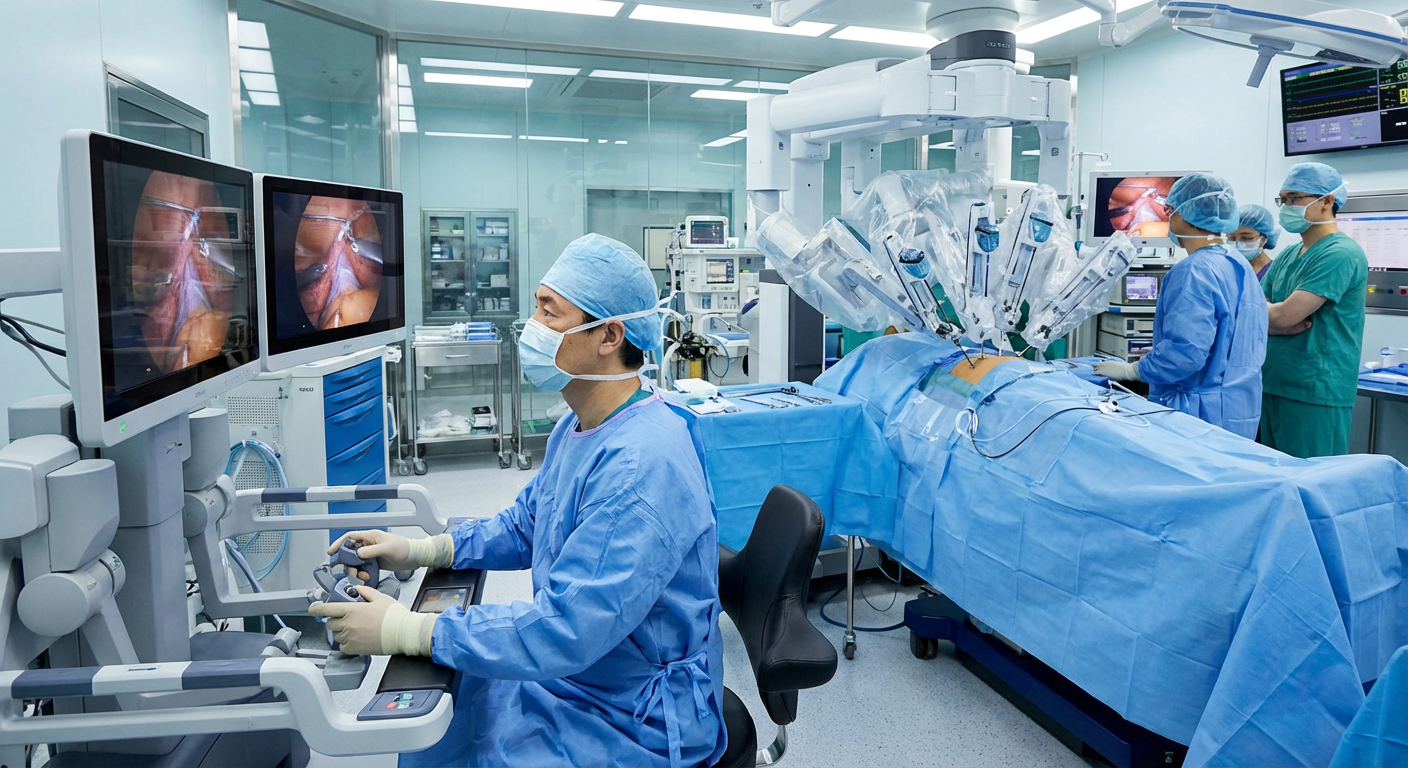
Inside our hospitals, another quiet revolution is taking place. Artificial Intelligence (AI) is becoming an invaluable partner to medical professionals. AI algorithms can analyse medical images like X-rays and CT scans with incredible speed and accuracy, helping doctors detect diseases earlier and with more certainty. At the same time, robotic-assisted surgery is allowing for procedures with smaller incisions, less pain, and quicker recovery times. It’s important to understand that these technologies are not replacing our skilled surgeons and doctors. Instead, they are powerful tools that enhance their abilities, leading to better patient outcomes. These advancements are key examples of the healthcare technology trends shaping modern medicine.
Rebuilding and Renewing: The Frontier of Regenerative Medicine
Perhaps one of the most exciting fields is regenerative medicine. This area of science focuses on repairing, replacing, or regenerating human cells, tissues, or organs to restore normal function. Instead of just managing symptoms, the goal is to find a cure. Concepts like tissue engineering and stem cell therapies hold the promise of treating conditions that were once considered chronic or untreatable, from joint damage to certain organ failures. While many of these treatments are still in the developmental stage, they represent some of the most hopeful emerging medical innovations on the horizon, offering a potential future where the body can heal itself in ways we previously thought impossible.
What This Means for Healthcare in Malaysia
The integration of these global trends into the Malaysian healthcare system presents both immense opportunities and significant challenges. Our nation’s digital literacy and growing infrastructure provide a solid foundation for adopting technologies like telemedicine and AI. However, ensuring equitable access, managing data privacy, and upskilling our healthcare workforce are crucial hurdles we must address. The government and private sector are already making strides, with pilot programmes and investments in digital health. The goal is to build a hybrid system where technology complements the compassionate, human touch of our healthcare professionals, creating a more efficient, effective, and patient-centric system for all Malaysians.
In conclusion, the landscape of healthcare is shifting dramatically, becoming more digital, personalised, and predictive. From the immediate convenience of telemedicine to the long-term promise of regenerative therapies, the future of medicine is incredibly bright. For us in Malaysia, understanding these healthcare technology trends is about more than just curiosity; it’s about embracing the tools and emerging medical innovations that will lead to longer, healthier lives. As technology continues to break down barriers, we are moving towards a future where high-quality healthcare is not only more advanced but also more accessible and empowering for every single one of us, from Perlis to Sabah. The journey has just begun, and it promises a healthier tomorrow for our nation.