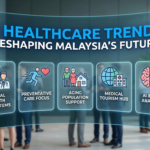
Staying healthy has always been a priority for Malaysians, but how we achieve and maintain our well-being is changing faster than ever before. From the way we consult a doctor to the treatments available for long-term illnesses, the entire healthcare landscape is being reshaped. Keeping a finger on the pulse of these changes is no longer just for medical professionals; it’s important for every one of us who wants to secure a healthier future for our families and communities. In this article, we’ll explore the key developments transforming healthcare in Malaysia, looking at the exciting new technologies being adopted, the evolving health challenges we face as a nation, and how both the government and private companies are working to create a better system for all.
The Digital Doctor Is In
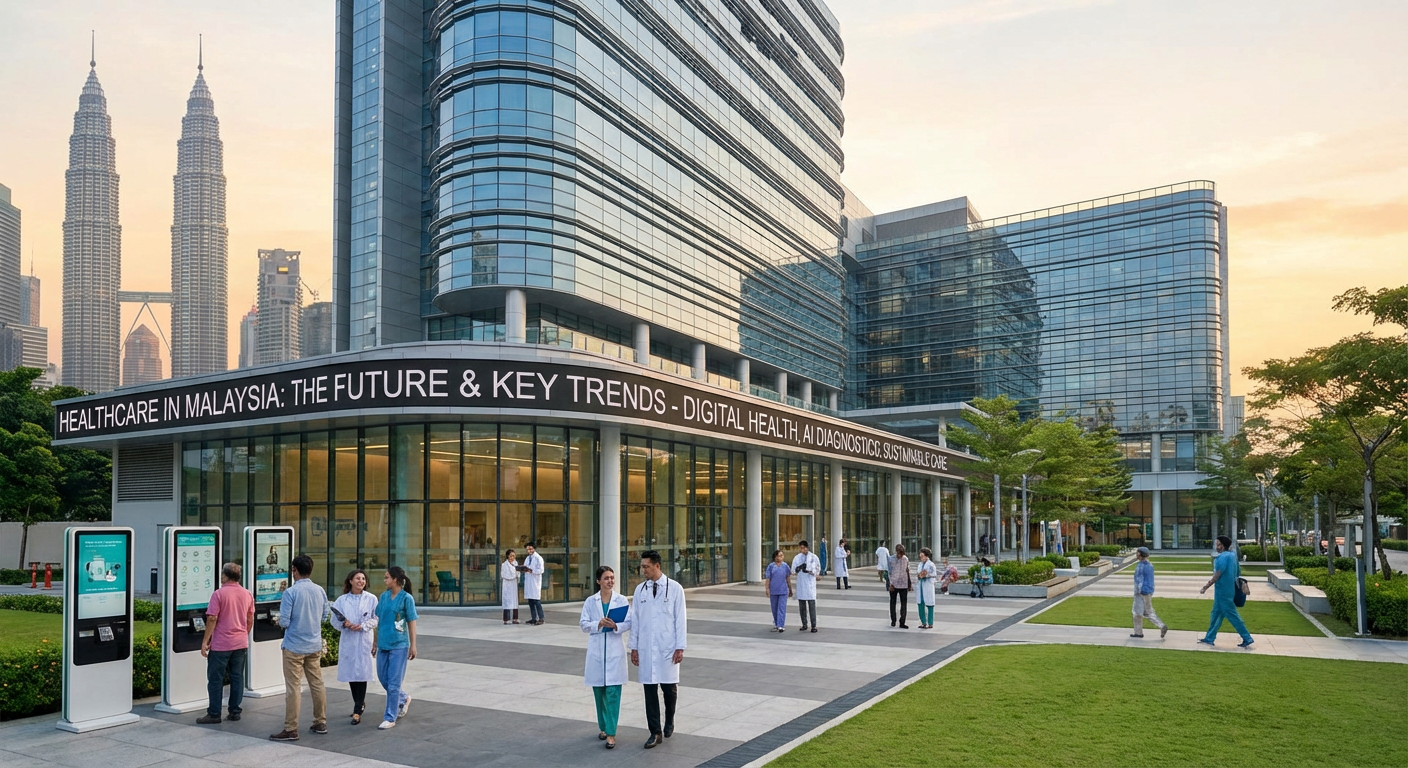
One of the most noticeable shifts in recent years is the move towards digital health. The convenience of booking appointments or getting medication delivered through an app is becoming the new normal for many in urban centres like Kuala Lumpur and Penang. Telemedicine, or consulting with a doctor via video call, has grown from a niche service to a mainstream option. This isn’t just about convenience; it’s about access. For those in more remote parts of Sabah and Sarawak, or for elderly patients who find travel difficult, digital consultations can be a game-changer. Looking deeper, we see even more advanced emerging healthcare technologies in Malaysia being tested and rolled out, such as AI-powered tools that help doctors analyse scans and diagnose diseases with greater speed and accuracy.

Responding to New National Health Challenges
While technology opens new doors, we are also facing a shift in our nation’s primary health concerns. The focus is increasingly on tackling non-communicable diseases (NCDs) like diabetes, high blood pressure, and heart disease. These lifestyle-related conditions now represent a major challenge for our healthcare system. At the same time, Malaysia, like many other developed nations, is experiencing an aging population. This demographic shift means we must adapt our healthcare infrastructure and services to meet the long-term care needs of our senior citizens. The challenge is not just about treating illness but also about promoting healthier lifestyles and preventive care to manage these conditions before they become critical.
A Collaborative Approach to Better Healthcare
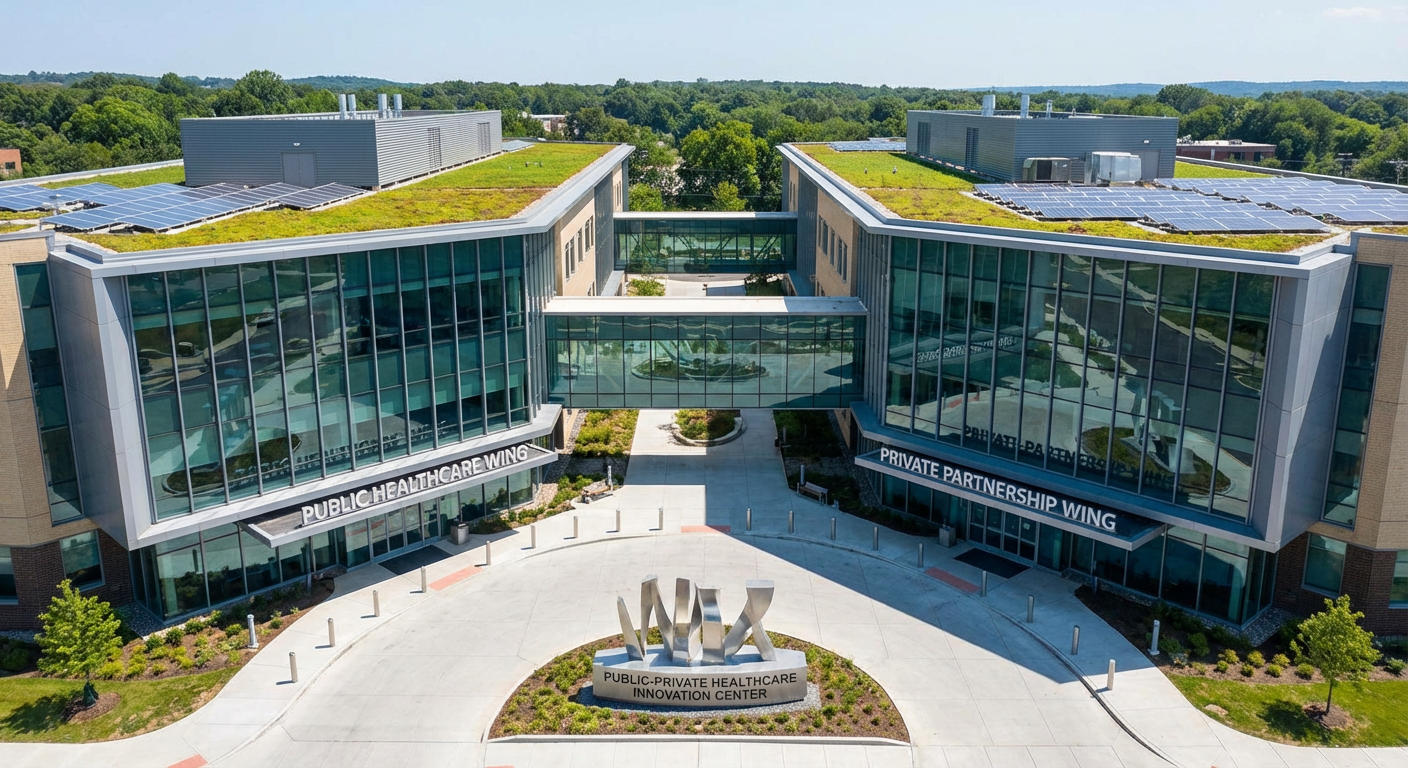
Addressing these complex issues requires a joint effort. The Malaysian government continues to underpin the system with its commitment to universal healthcare, striving to ensure that quality medical care remains affordable and accessible to all citizens. We are seeing continued government initiatives aimed at upgrading public hospitals and clinics, as well as policies designed to bring down the cost of treatments. Alongside this, the private sector is playing an increasingly important role. From building state-of-the-art hospitals to driving innovation in service delivery, private companies are a key part of the ecosystem. These collaborations, often in the form of public-private partnerships, are crucial for advancing many Malaysian healthcare industry trends and ensuring our system can meet future demands.
Making the Patient Experience a Priority
Ultimately, all these trends and initiatives circle back to one central goal: improving patient-centered care. The modern patient is more informed and expects more from their healthcare journey. This means a move away from a one-size-fits-all approach towards more personalised medicine and a smoother patient experience. This includes everything from easier access to personal health records and simplified hospital admission processes to clearer communication from healthcare providers. By focusing on the patient’s needs and comfort at every step, we are not just treating a disease; we are caring for the individual, which is fundamental to building trust and achieving better health outcomes for everyone.
To conclude, the healthcare sector in Malaysia is in a period of significant and exciting transformation. We are witnessing a clear pivot towards digital solutions, a renewed focus on managing long-term health challenges like NCDs, and a stronger collaborative spirit between the public and private sectors. Understanding these core Malaysian healthcare industry trends is essential for navigating the future. As technology continues to advance and our population’s needs evolve, staying informed will empower us all to make better decisions for our health. The continued integration of emerging healthcare technologies in Malaysia promises a future where healthcare is not only more efficient and effective but also more accessible and patient-focused than ever before.