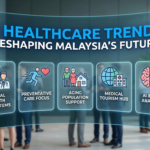
Navigating the future of healthcare can often feel like trying to read a map in the dark. Official-looking documents and announcements fly by, but what do they truly tell us about the direction we are heading? It is easy to mistake a government notice for a major industry shift. In our quest to provide clear, actionable insights, we have learned the importance of separating administrative noise from the true pulse of the industry. This article will guide you through that process. We will explore how to differentiate between regulatory updates and genuine market movements, and then we will dive deep into one of the most significant Malaysian healthcare trends shaping our lives today: the incredible rise of digital health services.
The Difference Between a Notice and a Trend
Recently, while looking for fresh insights, we came across several communications from government bodies like Jabatan Standard Malaysia (JSM). These documents detailed upcoming meetings, training sessions, and consultations on standard compliance. At first glance, one might assume these are signposts for new healthcare directions. However, it is important to understand their true purpose. These are administrative notices. They are essential for maintaining quality and safety, but they are not the trends themselves. A trend is a pattern of change driven by consumer behaviour, technological innovation, or widespread market adoption. Think of it this way: a notice about road maintenance rules is not the same as the growing trend of people buying electric cars.

Understanding the Rules of the Game
So, what is the role of these official communications? Bodies like JSM play a crucial part in establishing the framework within which the healthcare industry operates. They ensure that hospitals, clinics, and medical devices meet specific safety and quality standards. These discussions and meetings on compliance are part of the ongoing process of refining the healthcare industry regulations in Malaysia. These regulations are the foundation—the solid ground upon which innovation is built. They ensure that when new services or products emerge, they are safe and reliable for public use. Understanding this foundation is important, but to see where the industry is going, we need to look above ground at what is being built.
The Real Shift: Digital Health is Here to Stay
The most powerful trend currently reshaping Malaysian healthcare is the rapid adoption of digital health. This is not just a concept; it is happening in our daily lives. From consulting a doctor via a video call on your phone to using an app to book appointments and manage your prescriptions, technology is closing the gap between patients and providers. The COVID-19 pandemic certainly accelerated this shift, forcing us to find new ways to access care safely. However, the convenience and efficiency of digital health have ensured it is a permanent fixture, not a temporary solution. Platforms that offer telemedicine and e-pharmacy services have become household names, demonstrating a clear change in patient behaviour.

Why Digital Health is Gaining Momentum
Several factors are fuelling this digital revolution in Malaysia. Firstly, our nation boasts high internet and smartphone penetration rates, providing the necessary infrastructure for these services to thrive. People are more connected than ever and comfortable using technology for daily tasks. Secondly, there is a clear demand for convenience. The ability to consult a doctor from home saves time, reduces travel costs, and minimises exposure to illnesses in crowded waiting rooms. Finally, government support has been instrumental. Initiatives aimed at building a digital economy have created a favourable environment for health-tech companies to innovate and grow, making healthcare more accessible for everyone, from urban centres like Kuala Lumpur to more rural areas.
Looking Ahead: Where Do We Go From Here?
In conclusion, understanding the landscape of Malaysian healthcare trends requires a sharp eye for what truly matters. It is about learning to distinguish the foundational work of regulatory bodies from the dynamic, patient-driven changes that define our future. While administrative notices are vital for maintaining standards, the real stories are told through shifts in technology and consumer behaviour. The rise of digital health is a perfect example of such a transformative trend, making healthcare more accessible, efficient, and patient-centric. As we move forward, it is essential for all of us—providers, patients, and policymakers—to continue embracing these innovations while staying informed through credible, real-world data, ensuring we build a healthier Malaysia for generations to come.