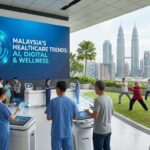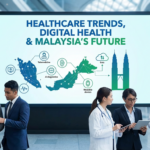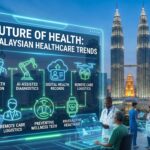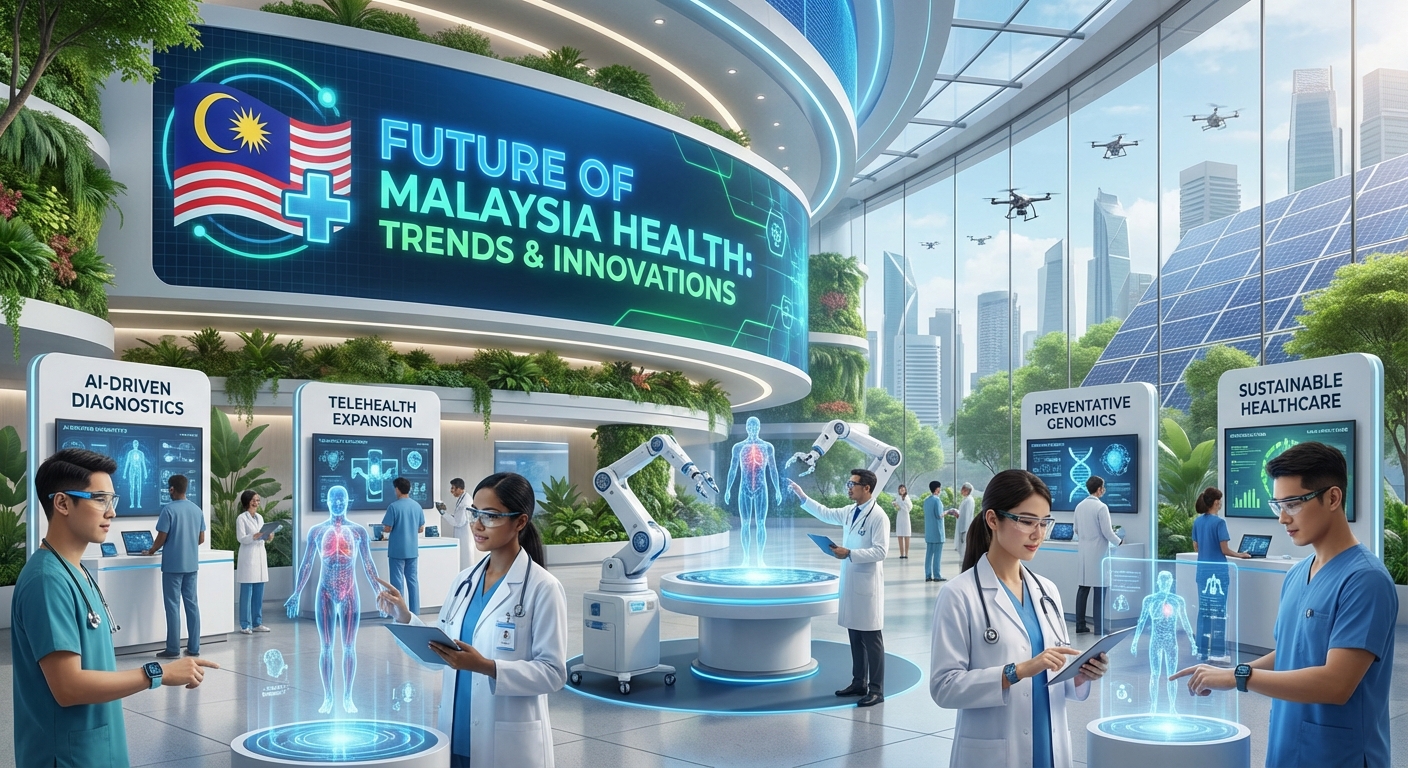
Navigating the world of health can sometimes feel like trying to hit a moving target. Just when we think we understand it, new technologies, policies, and public health discussions emerge. For everyone in Malaysia, from city dwellers in Kuala Lumpur to communities in Sabah and Sarawak, these changes are not just news headlines; they shape our access to care and our overall well-being. The healthcare sector is undergoing a significant transformation, driven by both local needs and worldwide progress. In this article, we will explore the key shifts happening right here at home, look at the exciting developments on the global stage, and discuss what these changes mean for the future of our nation’s health.
The Digital Front Door to Malaysian Healthcare
One of the most noticeable changes in recent years is how we interact with our doctors. The pandemic certainly accelerated the adoption of digital health services, but the convenience and efficiency they offer have made them a permanent fixture. Telemedicine platforms have become a common first point of contact for non-emergency consultations, allowing patients to speak with medical professionals from the comfort of their homes. This is more than just a convenience; it is a critical tool for improving access to healthcare for those in rural or underserved areas. Furthermore, the move towards electronic health records aims to create a more connected healthcare system, where a patient’s medical history is securely and instantly available to authorised providers, leading to safer and more coordinated care.

Preparing for a Greying Nation
Malaysia is on the path to becoming an ageing nation, a demographic shift that brings its own set of healthcare considerations. As our population gets older, the demand for geriatric medicine, long-term care, and services focused on chronic conditions like diabetes and hypertension will grow substantially. This presents both a challenge and an opportunity. We are seeing a greater focus on home healthcare services and the development of senior living communities that offer integrated medical support. The conversation is moving beyond simply treating illness to promoting healthy ageing, ensuring our senior citizens can enjoy a high quality of life. This demographic trend is a core driver of current Healthcare trends in Malaysia.
Influence from World-Class Medical Advances
While we tackle our local challenges, we also benefit from incredible progress happening worldwide. We are constantly monitoring Global healthcare innovations to see how they can be adapted for the benefit of Malaysians. Things that sounded like science fiction a decade ago are now becoming a reality. For instance, Artificial Intelligence (AI) is being used to analyse medical images like X-rays and MRIs with remarkable accuracy, helping doctors detect diseases earlier. Another exciting area is personalised medicine, where treatments, especially for complex diseases like cancer, can be tailored to an individual’s unique genetic profile. These advancements promise a future where healthcare is more precise, predictive, and effective for everyone.

Addressing Our Unique Challenges and Opportunities
For all the progress, Malaysia still faces specific hurdles. A key challenge remains the disparity in healthcare quality and access between urban and rural areas. Closing this gap is a national priority. Additionally, the rising prevalence of non-communicable diseases (NCDs) continues to put a strain on our healthcare system and our families. However, these challenges also present opportunities for innovation. The ongoing Healthcare trends in Malaysia are geared towards solutions, such as using digital health tools to reach remote populations and implementing stronger public health programmes for NCD prevention. By embracing some of the Global healthcare innovations, like data analytics for public health planning, we can build a more resilient and equitable system for all.
Staying informed about the ever-evolving world of healthcare is more important than ever. The shift towards digital platforms, the preparations for an ageing population, and the adoption of global technologies are not just industry news—they are transformations that will directly affect our lives and the well-being of our loved ones. As we have discussed, these developments bring both challenges, such as the urban-rural divide, and immense opportunities to build a stronger system. By understanding these trends, we can become more proactive participants in our own health journeys and better advocates for the healthcare we deserve. The future of health in Malaysia is being built today, and it is a future we are all a part of.