Have you ever paused to consider how your last interaction with a doctor differed from one a decade ago? Perhaps it was a video call instead of a clinic visit, or a reminder from your smartwatch to check your sugar levels. These small changes are part of a much larger transformation happening across our nation’s health sector. The way we manage our health is changing rapidly, driven by new ideas and technologies. Here in Malaysia, this evolution is not just a distant concept; it’s actively reshaping our access to care and our approach to personal wellbeing. In this article, we will explore the key healthcare trends Malaysia is experiencing, from the convenience of digital consultations to significant shifts in public health strategy and the very policies that govern our care.
The Digital Doctor Will See You Now
Not long ago, seeing a doctor meant travelling to a clinic and waiting your turn. Today, telemedicine has brought healthcare directly into our homes. The convenience of consulting a doctor via a smartphone has been a game-changer, especially for those in rural or underserved areas of Sabah and Sarawak, or for elderly patients with mobility challenges. This shift, accelerated by the recent pandemic, has proven its value beyond just convenience. It allows for quicker follow-ups, easier management of prescriptions, and immediate access to medical advice. While challenges like internet connectivity and data security are being addressed, the move towards digital-first healthcare is undeniable, making medical expertise more accessible to every Malaysian than ever before.

Technology Enhancing Every Aspect of Care
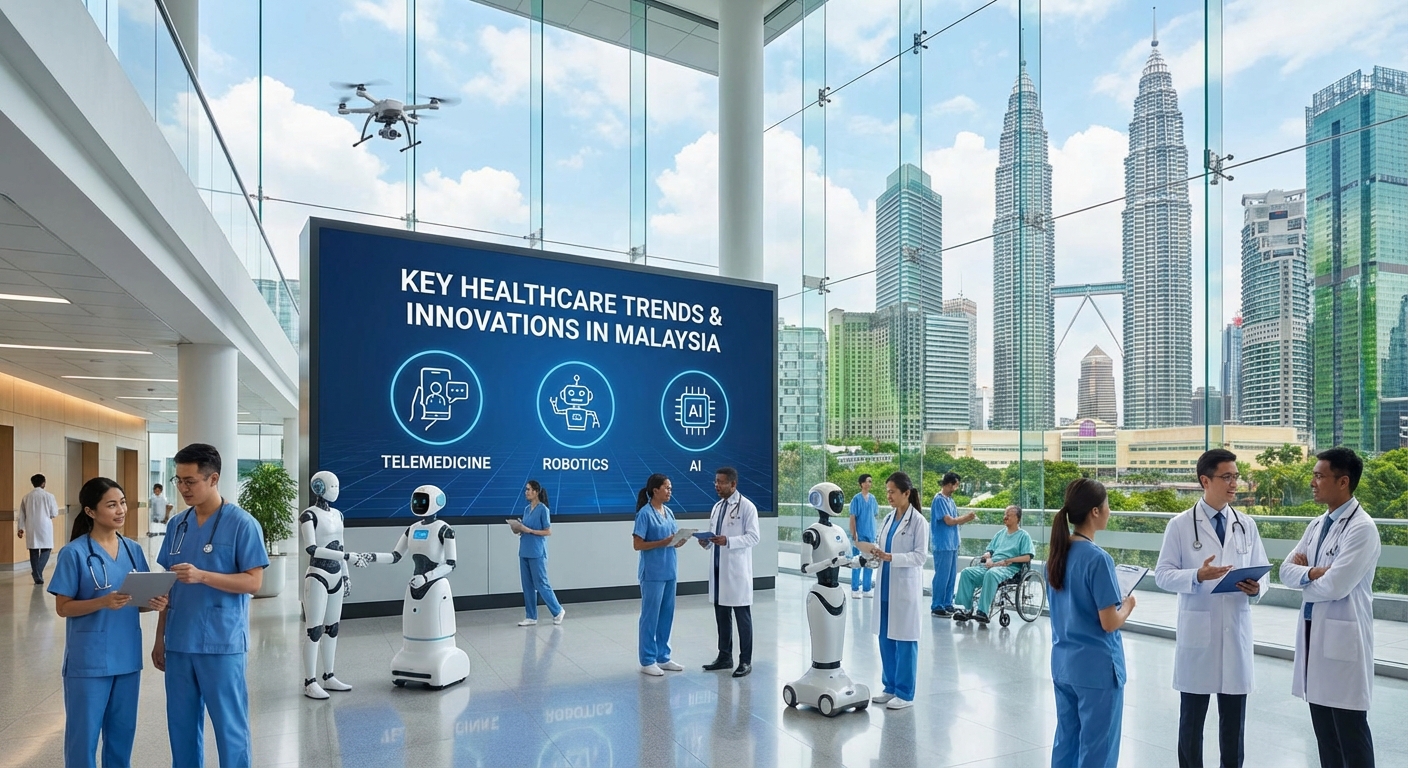
Beyond video calls, technology is quietly working behind the scenes to improve diagnostics and treatments. We are seeing remarkable Malaysian healthcare innovations in hospitals across the country. Artificial intelligence (AI) is being used to analyse medical images like X-rays and MRI scans, helping doctors detect diseases earlier and with greater accuracy. In operating theatres, robotic-assisted surgery is enabling surgeons in major centres like Kuala Lumpur to perform complex procedures with more precision, leading to faster recovery times for patients. On a personal level, wearable devices like smartwatches are empowering individuals to monitor their own health, tracking everything from heart rate to sleep patterns, and fostering a more proactive approach to wellness.
A National Shift Towards Prevention
For years, the focus of healthcare has largely been on treating sickness. Now, there is a growing understanding that preventing illness in the first place is far more effective. This is particularly important in Malaysia, where non-communicable diseases (NCDs) such as diabetes, heart disease, and hypertension are on the rise. In response, we are seeing a stronger emphasis on public health strategies and preventive care. Government campaigns promoting healthy eating and active lifestyles, coupled with community-based health screenings, are becoming more common. The goal is to improve health literacy, empowering people with the knowledge to make better choices and take control of their long-term health, ultimately reducing the strain on our healthcare system.

Tailoring Treatments to the Individual
The one-size-fits-all approach to medicine is slowly becoming a thing of the past. One of the most exciting advancements is the move towards personalised medicine. This involves tailoring medical treatment to the individual characteristics of each patient, often based on their genetic information. For example, by understanding a person’s genetic makeup, doctors can predict which medications will be most effective and have the fewest side effects for conditions like cancer or certain chronic diseases. This precision approach not only leads to better patient outcomes but also makes treatments more efficient. It represents a significant step forward in our ability to manage complex health issues effectively.
Forward-Thinking Policies for a Healthier Future
All these advancements are supported by evolving healthcare policies designed to create a more robust and equitable system. The government is continuously reviewing and updating regulations to ensure that new technologies like telemedicine are safe and effective. There are ongoing discussions about healthcare reforms aimed at improving affordability and closing the gap between public and private services. These policy changes are crucial for building a sustainable healthcare infrastructure. By aligning with global standards and focusing on accessibility, these reforms are shaping the future of care, ensuring the latest healthcare trends Malaysia embraces benefit everyone, regardless of their location or income level.
In summary, the Malaysian healthcare landscape is undergoing a period of incredible change. From the palm of our hands, we can now consult with doctors, while advanced technology assists our medical professionals in providing better, more accurate care. The renewed national focus on preventive health encourages us to live healthier lives, and the development of personalised medicine promises more effective treatments. Underpinning all of this are progressive policies aimed at making quality healthcare accessible and affordable for all. These exciting Malaysian healthcare innovations are not just trends; they are foundational shifts creating a more responsive, efficient, and patient-centred health system for the future of our nation.