The Future of Health is Here: Navigating Key Trends in Malaysian Healthcare
Ever found yourself wishing you could consult a doctor without navigating traffic and waiting rooms? That future is closer than you think. The landscape of healthcare in Malaysia is changing at a remarkable pace, moving beyond the traditional clinic visit into a world of digital convenience and smarter treatments. This shift means more power in your hands to manage your health and well-being. At our core, we believe that staying informed is the first step towards better health. That is why we have delved into the most significant changes happening right now. In this article, we will explore the key trends reshaping our nation’s health services, from virtual care becoming the new normal to incredible technological advancements that promise more personalised and effective treatments for everyone.

From Clicks to Consultations: The Virtual Care Boom
Not long ago, the idea of seeing a doctor a screen seemed like something from a science fiction film. Today, it is a reality for millions. The surge in telemedicine adoption Malaysia has been one of the most visible shifts in our healthcare system. Spurred by necessity, it has now proven its value through sheer convenience and accessibility. Patients in busy urban centres like Kuala Lumpur or those in more remote areas can now receive medical advice, diagnoses for common ailments, and even e-prescriptions without leaving home. This is not just about video calls; it includes chat-based consultations and platforms that connect you directly with pharmacists, making healthcare more immediate and less disruptive to your daily life. It represents a fundamental change in how we access primary care.
Your Health in Your Hands: The Digital Transformation
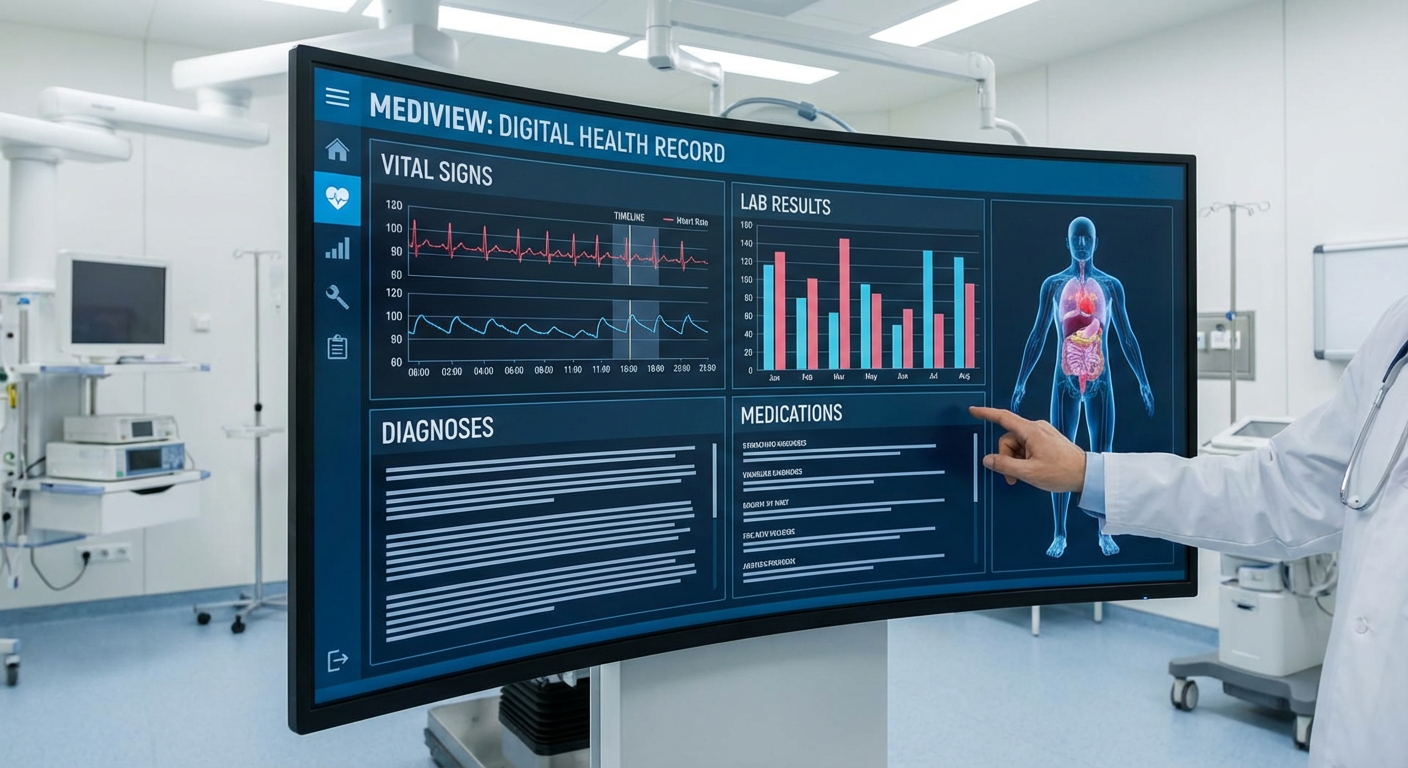
Beyond virtual appointments, a broader movement towards digital health Malaysia is empowering us to take a more active role in our own well-being. Think about the smartwatches and fitness trackers that many of us already wear. These devices collect valuable data on our heart rate, sleep patterns, and physical activity. When shared with healthcare professionals, this information can help create a more complete picture of our health, leading to more tailored advice. The move towards digitising health records also means that your medical history can be accessed securely by authorised doctors when needed, ensuring continuity of care and reducing the risk of errors. This integration of technology puts powerful tools for health management right at our fingertips.
Smarter Diagnoses and Personalised Treatments
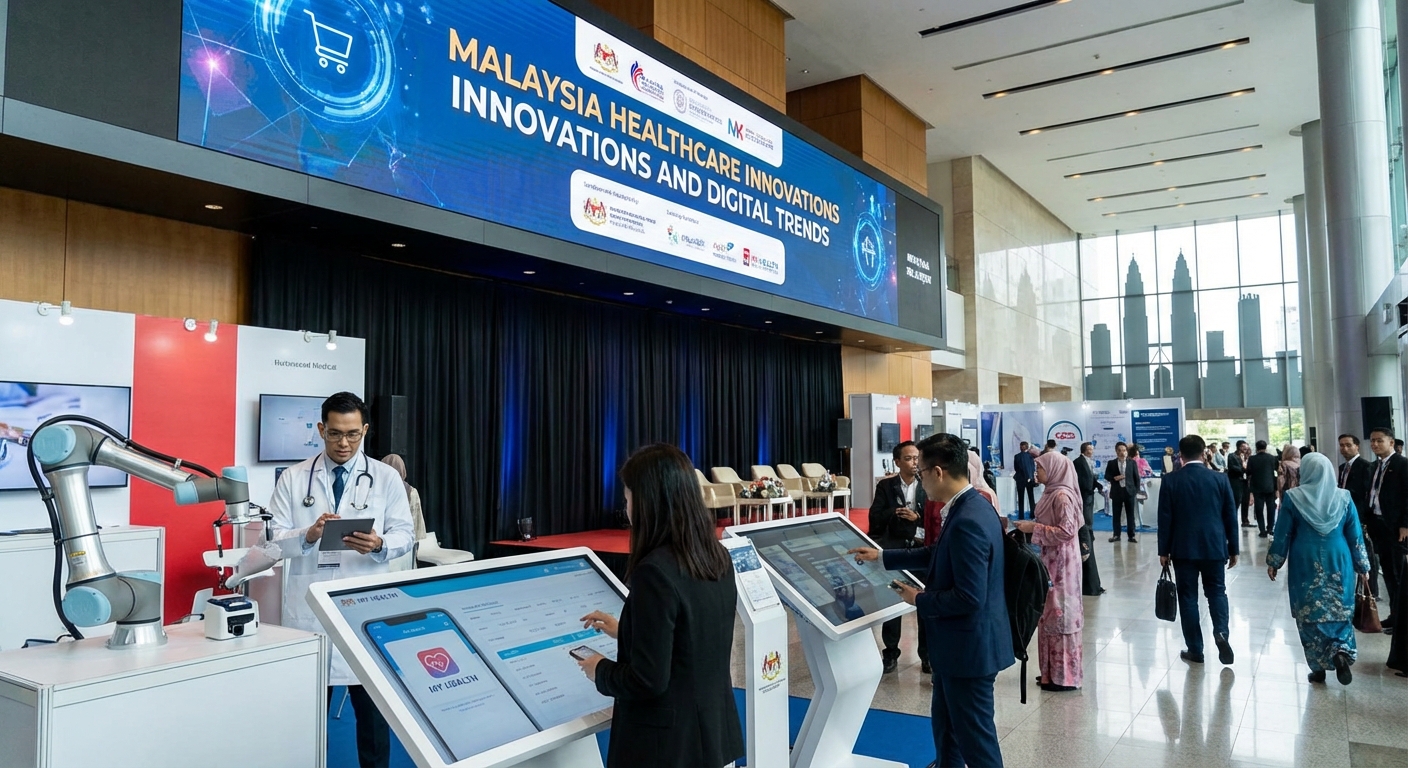
The progress we are seeing is not limited to how we access care; it is also transforming the quality of care itself. We are witnessing incredible healthcare innovations Malaysia, particularly in the use of Artificial Intelligence (AI). AI algorithms are now capable of analysing medical images like X-rays and MRI scans with incredible speed and accuracy, helping doctors detect diseases earlier and more precisely. Furthermore, the healthcare field is slowly moving away from a one-size-fits-all approach. The concept of personalised medicine, where treatments are tailored to a person’s unique genetic makeup and lifestyle, is gaining ground. These developments promise a future where medical care is not just reactive but also highly predictive and customised to the individual.
New Frontiers in Medical Procedures
Inside the operating theatre, big changes are also taking place. Some of the most significant medical advancements Malaysia are happening in surgical and treatment methods. Hospitals are increasingly adopting minimally invasive techniques, which involve smaller incisions, less pain, and significantly faster recovery times for patients. In some advanced private medical centres, robotic-assisted surgery is providing surgeons with enhanced precision and control, making complex procedures safer than ever before. These advancements not only improve patient outcomes but also bolster Malaysia’s reputation as a leading destination for high-quality medical care in the region, attracting patients from beyond our borders.
What These Healthcare Shifts Mean for You
So, how does all this affect our daily lives? The rapid telemedicine adoption Malaysia has seen empowers patients with greater choice and convenience, while the growth in digital health Malaysia puts more actionable health data directly in our hands. These powerful healthcare innovations Malaysia and ongoing medical advancements Malaysia are not just complex topics for specialists; they are actively changing everyday healthcare for all of us. This evolution brings immense opportunities, allowing you to be more proactive about your health. It also means being mindful of choosing trusted digital platforms and understanding how your data is used. Embracing these changes means you can look forward to a healthcare journey that is more connected, informed, and centred around you.
In conclusion, the winds of change are blowing strongly through the Malaysian healthcare sector. The journey from traditional clinic visits to a future of seamless digital interactions and highly personalised treatments is well underway. We have touched upon the rise of virtual care, the power of digital health tools, the intelligence of AI-driven diagnostics, and the precision of modern surgical procedures. Together, these trends point towards a healthcare system that is becoming more accessible, efficient, and patient-focused than ever before. As we continue to navigate this exciting new era, staying curious and informed is key. We are committed to keeping you updated on these developments, ensuring you are always equipped with the knowledge to make the best decisions for your health and well-being.