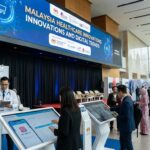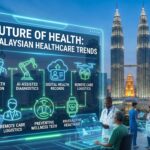
Remember queuing at a clinic, waiting for your number to be called? For many of us in Malaysia, that picture is slowly changing. The way we think about, access, and manage our health is undergoing a quiet revolution, driven by more than just medicine. It’s a shift powered by the device in our pockets, our changing expectations, and a collective desire for a healthier life. Healthcare is no longer a passive experience; it’s becoming an interactive, personalised journey. In this article, we will explore the key forces shaping this new landscape, looking at how technology is meeting patient needs and what this means for the future of wellness in our nation. These are the Malaysian healthcare trends that are defining our path forward.
The Patient is Now in Control
The days of passively receiving healthcare are behind us. Today, Malaysians are becoming more active participants in their own wellness journeys. There’s a growing appetite for preventive care rather than just treatment. People are tracking their steps, monitoring their sleep, and seeking out nutritional advice online. This shift means people expect more from their healthcare providers. They want information, they want options, and they want a service that is built around their convenience and personal needs. This demand for patient-centric care is the primary engine driving change across the entire industry, pushing clinics and hospitals to adapt or be left behind.
Your Doctor’s Visit, Now on Your Screen
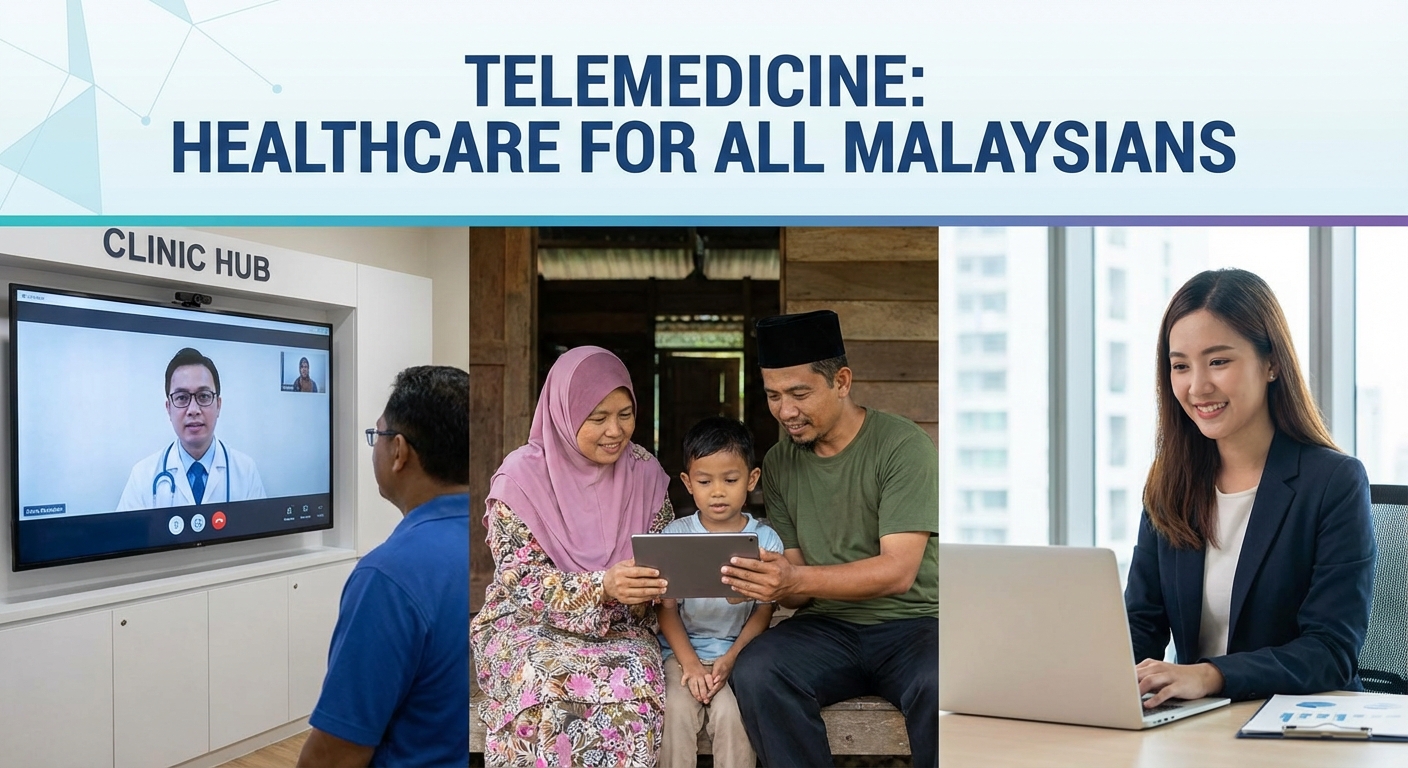
Perhaps the most visible change has been the rise of digital health services. The pandemic certainly accelerated this, but the convenience of telemedicine has made it a permanent fixture. Being able to consult a doctor from your home in Kuala Lumpur or a small town in Sabah is a game-changer. It saves time, reduces travel, and provides quick access for non-emergency issues. This move towards virtual care is a core component of the digital transformation in Malaysian healthcare. It goes beyond video calls, extending to online appointment bookings, digital prescriptions, and access to your own medical records through patient portals, putting unprecedented control right at your fingertips.
Smart Technology for Smarter Health Outcomes
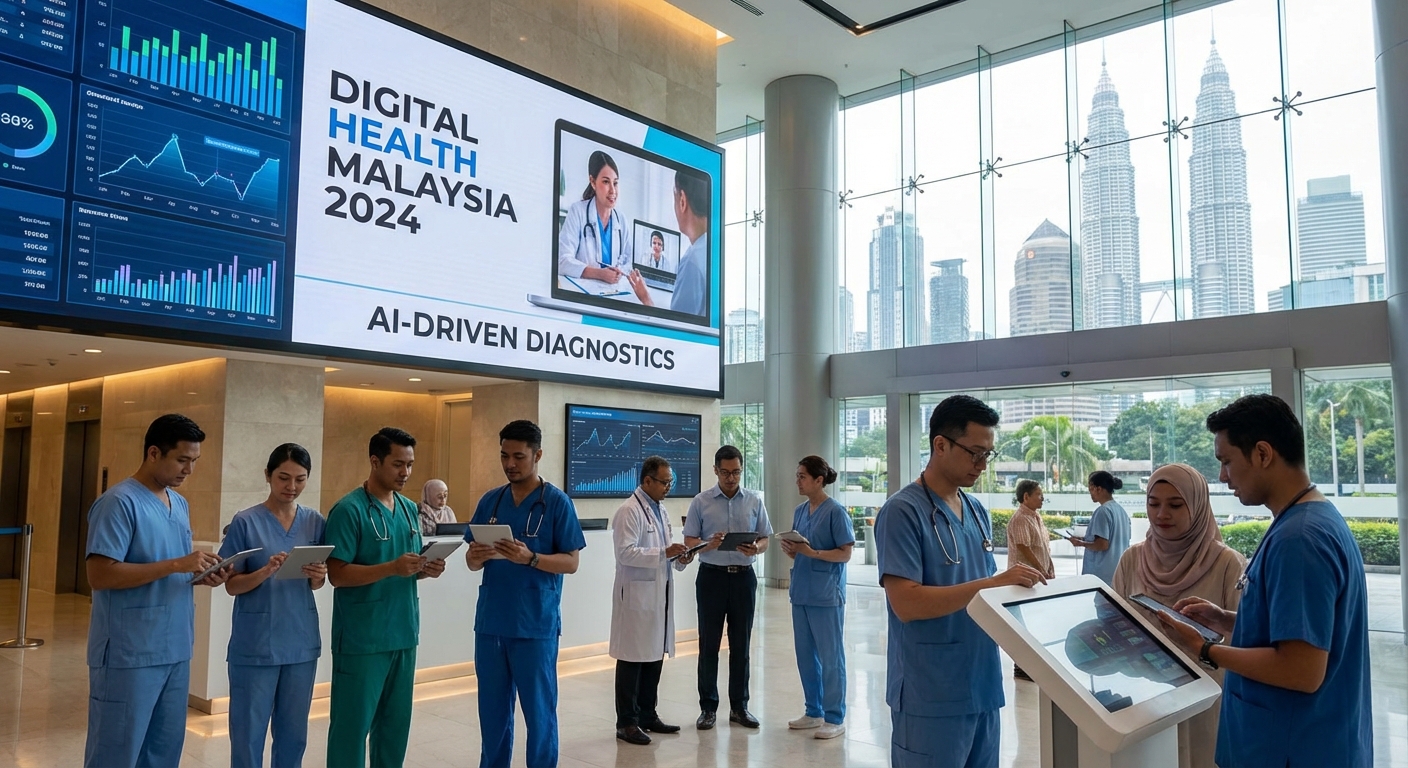
Behind the scenes, technology is playing an even bigger role. Artificial Intelligence (AI) and Machine Learning (ML) are no longer concepts from science fiction; they are practical tools being used in Malaysian healthcare settings. While you may not see it directly, AI is helping radiologists spot details in scans more accurately, and anaysing data to predict potential health outbreaks before they spread widely. This smart technology helps to support our medical professionals, allowing them to work more efficiently and make more informed decisions. The goal isn’t to replace the human touch of a doctor but to enhance their abilities, leading to better diagnoses and more effective treatment plans for everyone.
A System Evolving with the Times
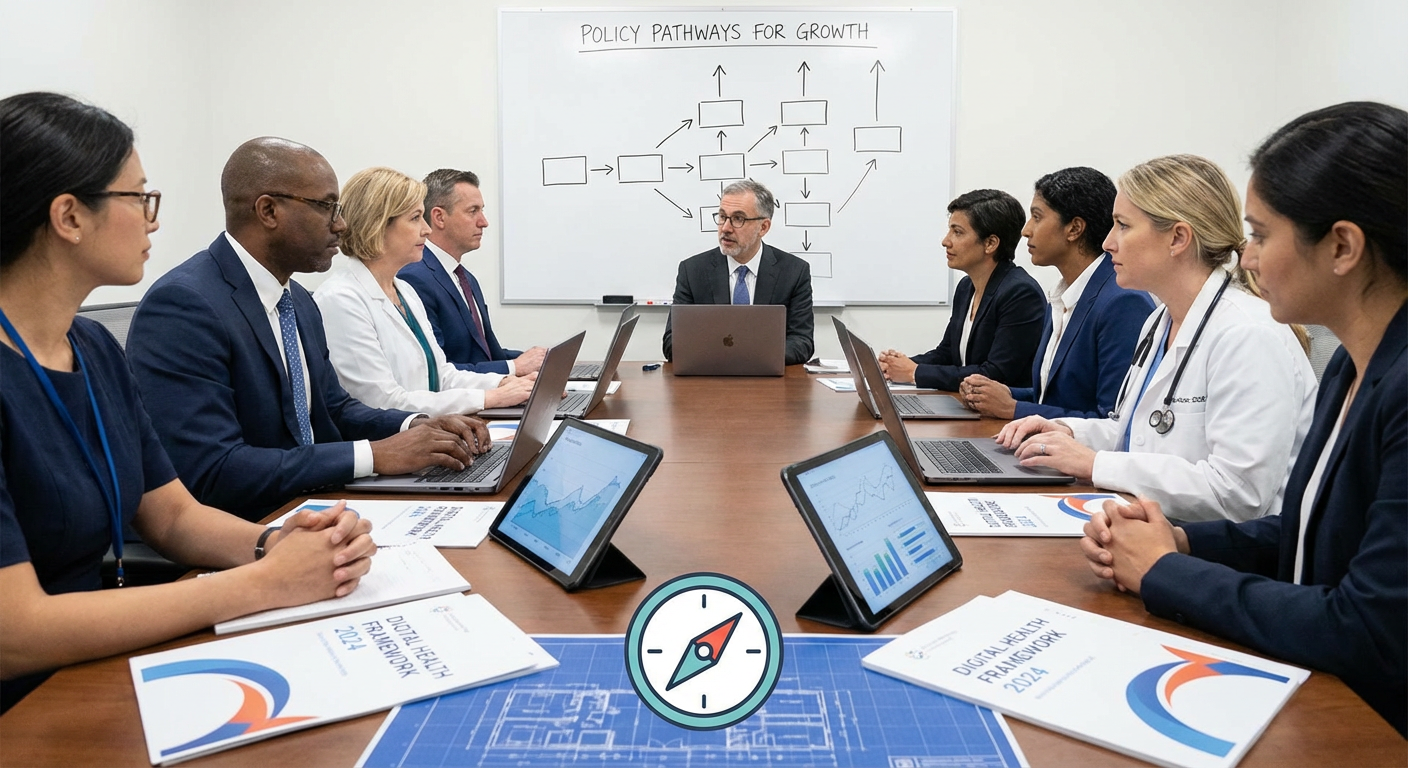
With such rapid technological adoption, government policies and regulations must also keep pace. The Malaysian Ministry of Health is actively working to create a structured framework for digital health. This involves ensuring the security and privacy of our personal health data, which is incredibly important as more information moves online. Clear guidelines are being established for telemedicine providers to ensure they meet quality and safety standards. These regulatory steps are crucial for building public trust and ensuring that the new technologies are implemented in a safe, organised, and fair manner for all Malaysians, no matter where they live.
Building a Healthier Future, Together
This new era of healthcare is fertile ground for innovation. We are seeing exciting collaborations between technology companies and established healthcare providers, all aiming to solve uniquely Malaysian health challenges. From apps that help manage chronic conditions like diabetes to platforms improving access to mental health services, the potential is enormous. Continued investment in local research and development is key. By embracing the overarching Malaysian healthcare trends and continuing to support the digital transformation in Malaysian healthcare, we can create a system that is not only more efficient but also more inclusive and responsive to the needs of our diverse population.
In conclusion, the healthcare landscape in Malaysia is shifting from a traditional, reactive model to one that is proactive, personalised, and digitally empowered. This change is not driven by a single factor but by the powerful combination of informed patients, accessible technology, and forward-thinking policy. From the rise of telemedicine to the smart use of AI in diagnostics, every development is bringing care closer to home and placing more power in the hands of the patient. The journey is far from over, but these trends show a clear and promising direction. We are collectively moving towards a future where healthcare is more integrated into our daily lives, building a healthier and stronger Malaysia for generations to come.