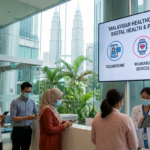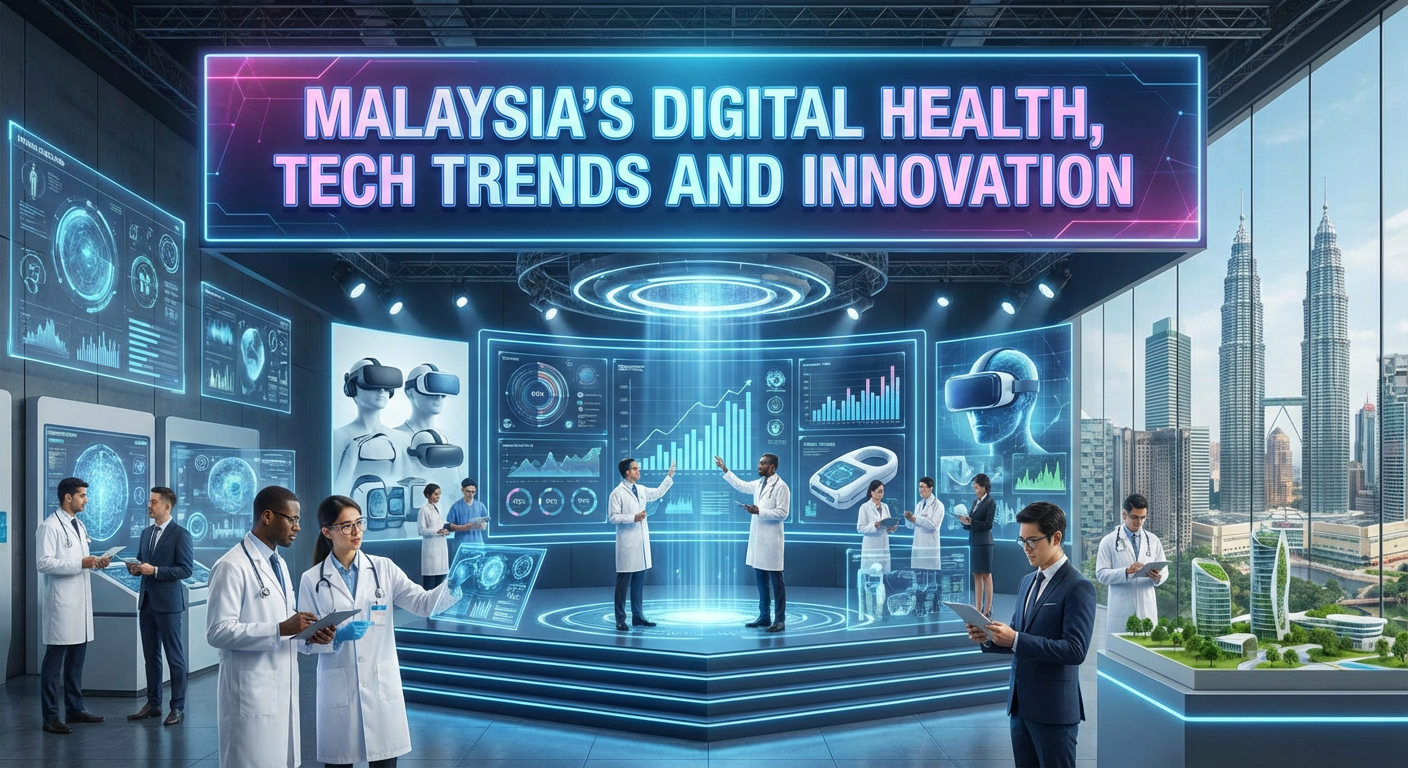
Thinking about healthcare used to mean waiting rooms, paper forms, and long queues. But what if your next doctor’s appointment was from your living room? What if your smartwatch shared vital data directly with your clinic to prevent a health issue before it even starts? This isn’t science fiction; it’s the new reality taking shape across our nation. The Malaysian healthcare system is undergoing a remarkable transformation, driven by technology and a renewed focus on patient-centred care. In this article, we will explore the key shifts happening right now, looking at the exciting advancements and how they are changing our access to wellness. We will also touch upon the important healthcare technology trends Malaysia is embracing to build a healthier future for all of us.
The Digital Shift in Our Healthcare
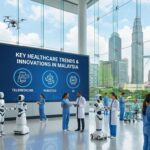
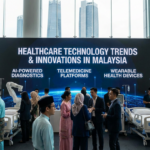
The most visible change is the move towards digital services. After the recent pandemic, telehealth and telemedicine have gone from being niche options to mainstream services. Platforms offering online consultations allow patients in places from Kuala Lumpur to Kota Kinabalu to connect with specialists without the need for travel. This is more than just convenience; it’s about improving access to quality healthcare for everyone, especially those in rural areas. We are also seeing a greater emphasis on preventive care. Wearable devices that track our steps, heart rate, and sleep patterns are becoming more common, providing data that helps us and our doctors make better decisions about our long-term health and wellness.

Advancements in Medical Technology and Innovation
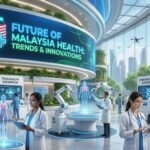
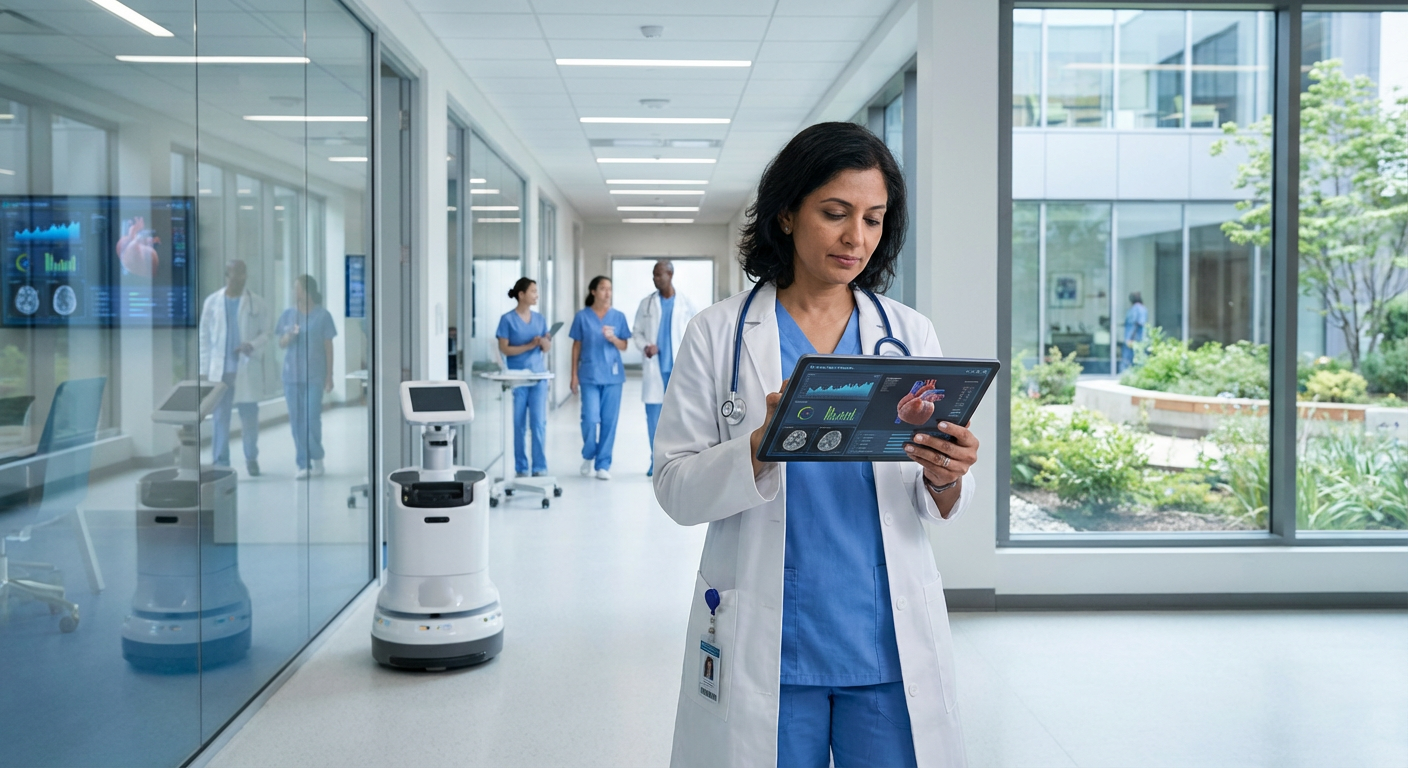
Beyond virtual consultations, a wave of digital health innovation Malaysia is adopting is set to redefine our hospitals and clinics. The concept of the ‘smart hospital’ is gaining momentum, where connected devices, electronic health records (EHRs), and data analytics work together to create a more efficient and safer patient experience. Imagine a hospital where patient information is updated in real-time across departments, reducing errors and waiting times. Furthermore, the integration of Artificial Intelligence (AI) and data analytics is beginning to play a role in diagnostics, helping doctors analyse medical images and data with greater accuracy. This focus on technology is not just about gadgets; it’s about creating a smarter, more responsive healthcare system.
What’s Fuelling This Transformation?
Several factors are driving this change. The Malaysian government has been a key supporter, with initiatives aimed at creating a robust digital health framework. Policies are being developed to encourage innovation while ensuring patient safety and data security. Just as important is the change in our own expectations. As consumers, we have become used to the convenience of digital services in banking and retail, and we are now demanding the same from our healthcare providers. This demand pushes clinics and hospitals to adapt and modernise. The collaboration between the healthcare and technology sectors is also a powerful driver, bringing brilliant minds together to solve some of our most pressing health challenges.
Navigating the Road Ahead: Challenges and Opportunities
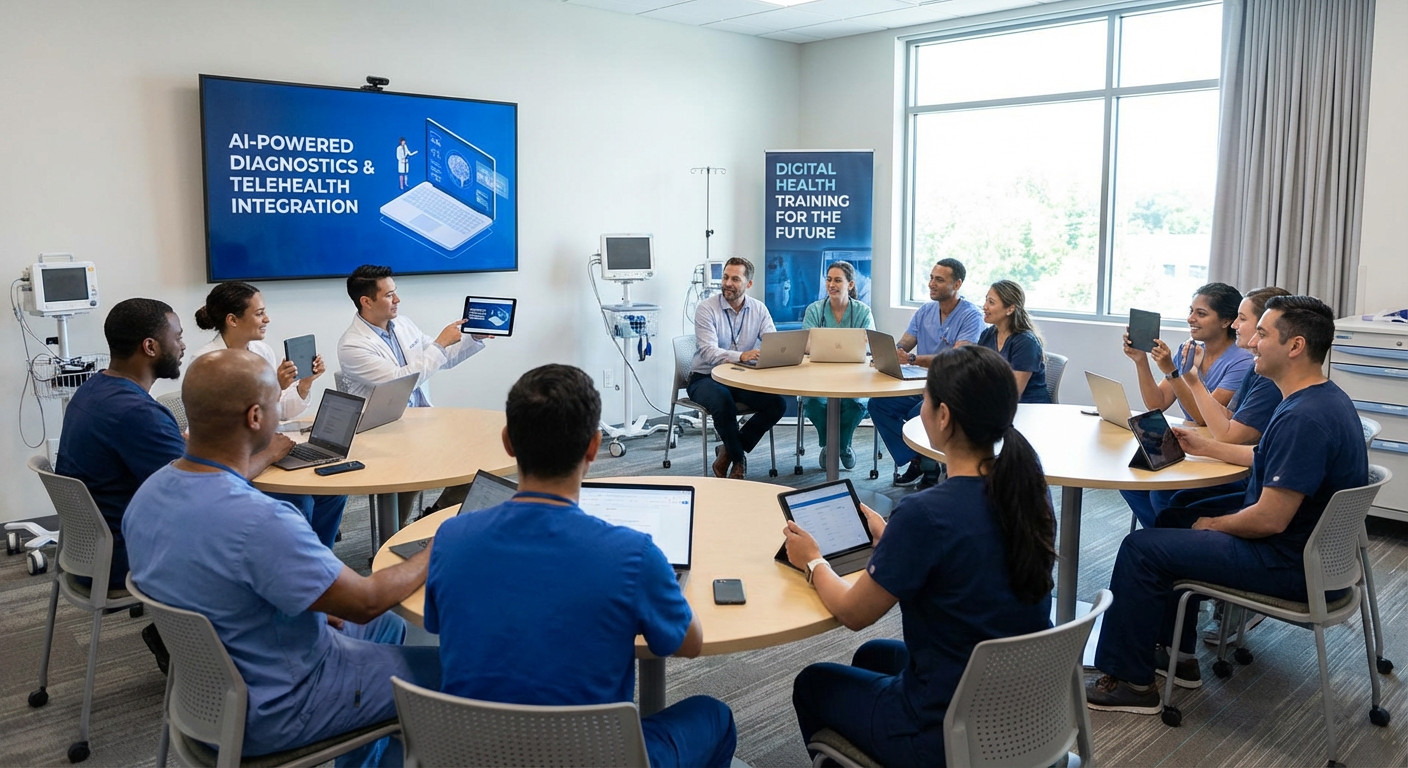
Of course, this journey is not without its hurdles. One of the main challenges is the digital divide. Ensuring that Malaysians in remote or underserved communities have reliable internet access is crucial for telehealth services to be truly inclusive. Data privacy is another major concern. As more of our health information goes digital, strong security measures are needed to protect sensitive data from cyber threats. There is also a need to upskill our dedicated healthcare professionals, providing them with the training to use these new digital tools effectively. However, these challenges also present massive opportunities for growth, innovation, and collaboration, paving the way for a more connected and efficient healthcare future.
A Healthier, More Connected Future
The landscape of Malaysian healthcare is changing for the better. The shift towards digital solutions, the advancements in medical technology, and the strong focus on preventive care signal a move towards a more accessible, efficient, and patient-focused system. While challenges like the digital divide and data security must be carefully managed, the overall direction is incredibly positive. By keeping an eye on the latest healthcare technology trends Malaysia is exploring and embracing the ongoing digital health innovation Malaysia promotes, we can all play a part in this evolution. At its core, this transformation is about empowering each of us to take a more active role in our own health, supported by a system that is smarter, faster, and more connected than ever before.