The Future is Now: Key Healthcare Trends Shaping Malaysia’s Health
Have you ever pictured what your visit to the clinic might look like in five years? The familiar scene of long waits and paper-based records is gradually transforming. A smarter, more connected approach to health is taking root right here in Malaysia, promising greater convenience and more personalised care for everyone. This shift isn’t just about new gadgets; it’s about rethinking how we manage our well-being, from preventative care at home to advanced treatments in hospitals. In this article, we’ll explore the exciting healthcare trends currently shaping the nation, look at where to find reliable information, and discuss what these changes mean for you, your family, and our communities across the country.
Navigating the Noise: Where to Find Trustworthy Health Information
With so much information available online, it can be tough to separate fact from fiction. When it comes to your health, getting information from the right sources is incredibly important. For credible updates on national health initiatives and public health advisories, the official Malaysian Ministry of Health (Kementerian Kesihatan Malaysia) website is the best place to start. For deeper insights, reputable medical journals and reports from health technology conferences can provide a glimpse into the latest research and innovations. By relying on these trusted sources, we can stay informed and make confident decisions about our health journey.

The Rise of Digital Health and Telemedicine
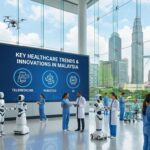
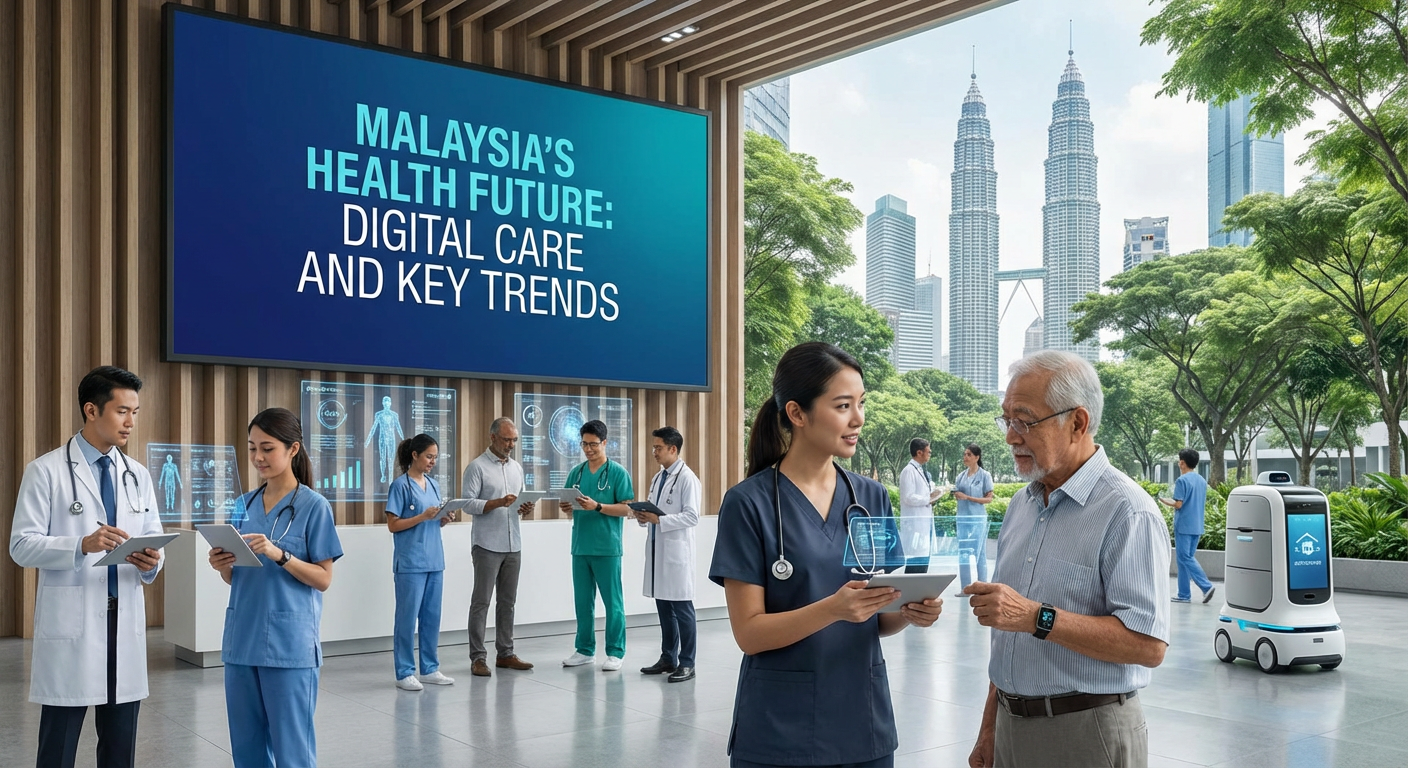
One of the most significant changes we’re seeing is the move towards digital health services. Telemedicine, in particular, has become a game-changer. It allows patients to consult with doctors and specialists through video calls from the comfort of their homes. This is especially helpful for people living in rural areas of Sabah and Sarawak, or for those with mobility issues. It saves time, reduces travel costs, and makes healthcare more accessible. This is a prime example of the emerging medical technologies in Malaysia that are making healthcare more patient-focused and efficient. It’s not about replacing face-to-face visits entirely, but about providing a convenient and effective option for follow-ups, minor ailments, and mental health support.
Personal Health in Your Hands: Wearable Technology
The power to monitor our health is no longer confined to the clinic. Wearable devices like smartwatches and fitness trackers are putting valuable health data right on our wrists. These gadgets can track everything from your heart rate and sleep patterns to your daily step count and oxygen levels. This flow of personal health information empowers you to take a more active role in your own well-being. You can spot patterns, set fitness goals, and share this data with your doctor for a more complete picture of your health. This trend shows a clear shift towards preventative care, where individuals are encouraged and equipped to maintain a healthy lifestyle before problems arise.

Adapting to a Changing Malaysia
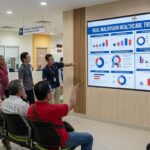
Our nation is changing. We have a growing ageing population and a noticeable increase in chronic conditions like diabetes and heart disease. These factors place new demands on the Malaysian healthcare system, pushing it to become more proactive and efficient. This is where innovation comes in. Smart solutions and the thoughtful application of emerging medical technologies in Malaysia are key to managing these challenges. From digital systems that help manage chronic disease patients remotely to public health programmes that focus on prevention, the entire system is adapting to better serve the needs of Malaysians today and tomorrow.
Ensuring Quality and Safety in a Modern Age
As new medical devices and digital health platforms become more common, how do we ensure they are safe, reliable, and secure? This is where regulatory bodies play a crucial role. In Malaysia, the Malaysian Standards Department (Jabatan Standard Malaysia), along with other agencies, helps develop and enforce standards for medical equipment and health technology. These standards cover everything from the accuracy of a blood pressure monitor to the data security of a health app. Their work is essential for building public trust and ensuring that every part of the modern Malaysian healthcare system operates with patient safety as the top priority.
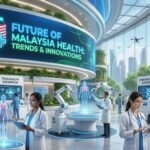
In conclusion, the landscape of healthcare in Malaysia is undergoing an exciting and positive transformation. Key trends like the adoption of telemedicine, the use of wearable technology for personal health monitoring, and a stronger focus on preventative care are making our system more accessible and patient-centric. As our population’s needs change, our health services are adapting with smart, technology-driven solutions. It’s important for all of us to stay aware of these developments, as they directly impact how we manage our health and interact with medical professionals. By embracing these changes and staying informed, we can all contribute to building a healthier, more proactive future for every Malaysian.