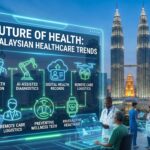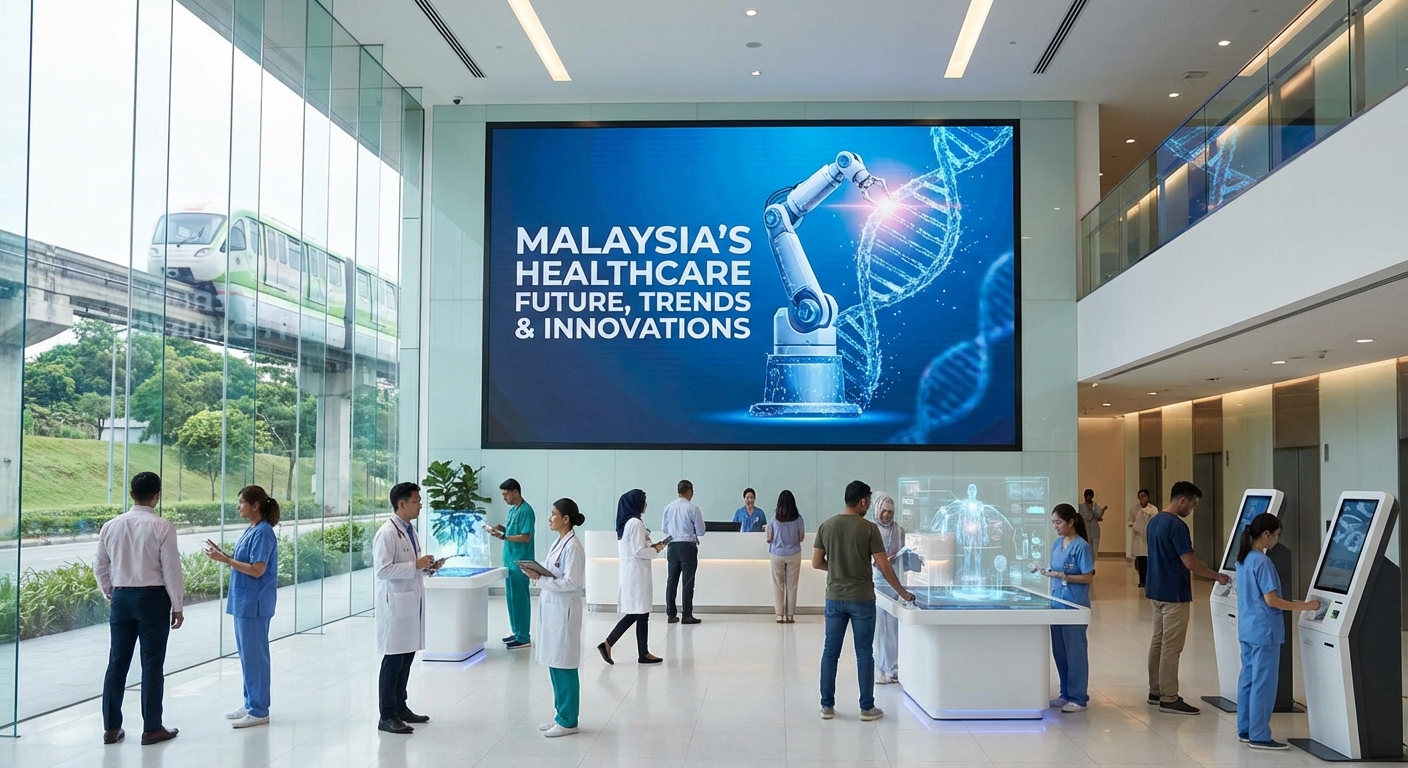
Picture this: a medical consultation from your living room in Kuala Lumpur, a prescription delivered to your doorstep in Penang, or an AI helping your doctor spot illnesses earlier than ever before. What once felt like a distant future is quickly becoming the new normal in Malaysia. The healthcare landscape is changing at a remarkable pace, driven by new technologies, different patient needs, and a stronger focus on staying healthy in the first place. For patients and professionals alike, keeping up isn’t just an option; it’s essential. In this article, we’ll take a closer look at the key developments shaping our healthcare system and explore what these changes mean for everyone involved in this important industry.
The Rise of Digital Health Services
One of the most significant shifts we are seeing is the move towards digital healthcare. Telemedicine, or virtual consultations, has grown from a niche service to a mainstream option for many Malaysians. Platforms that connect patients with doctors via video calls offer incredible convenience, especially for those in rural areas or with mobility challenges. This is more than just a video chat; it’s about making healthcare accessible and efficient. This trend is a core part of the wider Southeast Asian healthcare market trends, where digital adoption is transforming how services are delivered across the region. It allows for follow-up appointments, prescription renewals, and initial consultations without the need to travel and wait in a clinic.

Technology Assisting Medical Professionals
Beyond patient consultations, technology is also playing a bigger role behind the scenes. Artificial intelligence (AI) is slowly being integrated into diagnostic processes. For example, AI-powered software can help radiologists analyse medical images like X-rays and MRI scans, flagging potential issues for the specialist to review. This doesn’t replace the doctor’s expertise but acts as a helpful second pair of eyes, potentially leading to earlier and more accurate diagnoses. This kind of progress demonstrates the exciting potential of Malaysian healthcare innovation, as we find new ways to support our medical teams and improve patient outcomes. These tools help reduce workload and improve the overall efficiency of our hospitals and clinics.
Changing Patient Needs and Demographics
The people healthcare serves are also changing. Malaysia, like many other nations, has an ageing population. This means a growing number of people are living with long-term conditions like diabetes, hypertension, and heart disease. The healthcare system is adapting to provide more continuous and managed care for these chronic illnesses. At the same time, younger generations have different expectations. They are digitally native and value convenience, transparency, and having access to their health information at their fingertips. This requires healthcare providers to offer a more customer-focused experience, from online appointment booking to digital access to medical records.

A Stronger Focus on Prevention
There’s a growing understanding that it’s better to prevent an illness than to treat it. This has led to a major shift towards preventive and holistic healthcare. The Malaysian government and private sector are increasingly promoting wellness initiatives, encouraging healthier lifestyles through diet, exercise, and regular health screenings. Companies are introducing corporate wellness programmes, and there’s a greater public awareness of mental health and well-being. This proactive approach aims to keep people healthier for longer, reducing the long-term strain on hospitals and clinics. It marks a move away from a purely reactive system to one where personal health management is encouraged and supported.
What This Means for the Future
These trends have clear implications for healthcare professionals. Doctors, nurses, and allied health staff must adapt to using new digital tools and care models. There’s a need for continuous training to keep up with technological advancements and evolving patient needs. Furthermore, the focus on chronic disease management and holistic care requires greater collaboration between different specialists, from dietitians and physiotherapists to general practitioners and cardiologists. This team-based approach ensures that patients receive comprehensive care that addresses all aspects of their health, reflecting the broader Southeast Asian healthcare market trends towards integrated care systems.

In conclusion, the winds of change are blowing strongly through the Malaysian healthcare sector. The move towards digital services, the rise of AI in diagnostics, shifting patient demographics, and a firm focus on preventive care are all reshaping the industry for the better. These developments promise a future where healthcare is more accessible, efficient, and personalised. For us, staying informed and adapting to these shifts is key to delivering the best possible care. The continued spirit of Malaysian healthcare innovation ensures that we are not just keeping pace with change, but actively leading the way towards a healthier future for all Malaysians. It is an exciting time, filled with challenges but also immense opportunity.