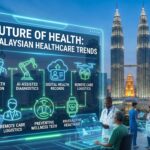
Thinking about healthcare in Malaysia used to conjure images of long waits in crowded clinics for a five-minute consultation. That picture is rapidly becoming a thing of the past. Today, the entire landscape of health and wellness is shifting beneath our feet, driven by new technologies, fresh approaches to care, and a better understanding of what we, as patients, truly need. It’s an evolution from simply treating sickness to actively promoting a lifetime of good health. In this article, we’ll explore the key trends shaping the future of the Malaysian healthcare system, from the convenience of telemedicine and telehealth services to a greater emphasis on preventive healthcare Malaysia, ensuring you are well-informed about the changes ahead.
Technology at Your Fingertips
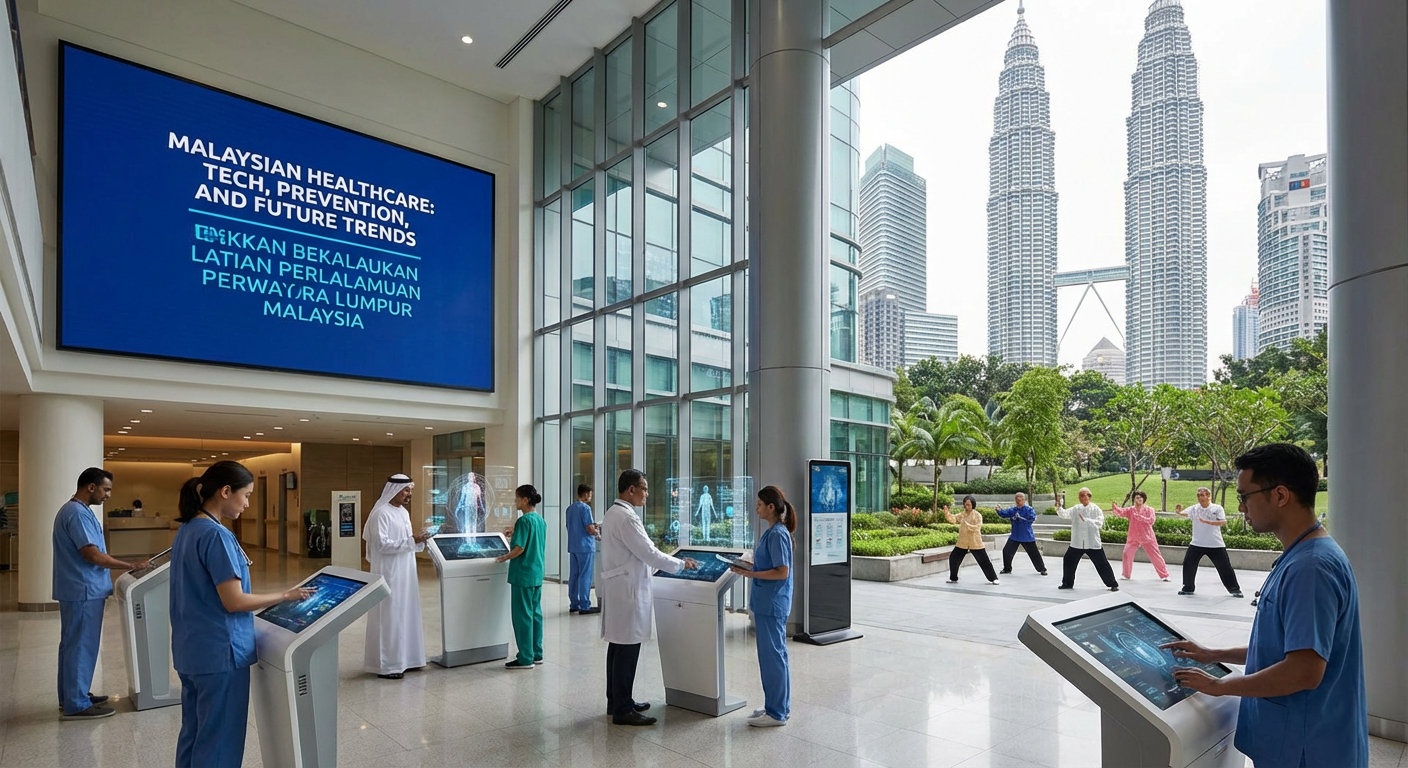
The most visible change for many has been the arrival of technology in our healthcare journey. Gone are the days when every minor ailment required a trip to the doctor. The rise of telemedicine and telehealth services, which accelerated during the pandemic, has put medical consultations just a click away. Services like DoctorOnCall and MyDoc have made it possible to consult with a doctor, get a diagnosis for common issues, and even have medication delivered to your doorstep without leaving home. This isn’t just about convenience; it’s about making healthcare more accessible, especially for those in remote areas or with mobility challenges.
Behind the scenes, technology is making an even bigger impact. The use of artificial intelligence (AI) and machine learning in diagnostics is helping doctors analyse medical scans like X-rays and MRIs with greater speed and accuracy. These smart systems can detect subtle patterns that might be missed by the human eye, leading to earlier and more precise diagnoses for conditions like cancer. This application of artificial intelligence (AI) and machine learning in diagnostics doesn’t replace doctors but acts as a powerful assistant, improving the quality of care for everyone.

A New Approach to Delivering Care
The way we receive healthcare is also changing, moving away from a hospital-centric model to one that is more integrated into our communities. We are seeing a significant expansion of primary care clinics and community-based healthcare centres across the country. These clinics are becoming the first point of contact for most health needs, from routine check-ups and vaccinations to managing long-term conditions like diabetes and high blood pressure. By strengthening primary care clinics and community-based healthcare, we reduce the strain on large hospitals, allowing them to focus on more complex, specialist cases.
This shift goes hand in hand with a stronger focus on prevention. Rather than waiting for people to get sick, the healthcare sector is becoming more proactive. This focus on preventive healthcare Malaysia means more encouragement for regular health screenings, lifestyle counselling, and nutritional advice. The goal is to catch potential health problems early or prevent them from developing in the first place, leading to better long-term health outcomes for the population.
Meeting the Needs of a Changing Malaysia
Our nation’s demographics are evolving, and so are our healthcare needs. Malaysia is on the brink of becoming an ‘ageing nation’, which brings the challenge of the aging population and the growing demand for geriatric care. This has spurred the development of services tailored to older adults, including specialised home care, assisted living facilities, and dedicated geriatric wards in hospitals. Ensuring our elders can age with dignity and receive the specific medical attention they require is a growing priority. The focus on the aging population and the growing demand for geriatric care is reshaping how we plan and deliver services for our senior citizens.
Alongside physical health, there is a powerful and long-overdue movement towards recognising the importance of mental health and well-being. The stigma surrounding mental health is gradually breaking down, and more Malaysians are seeking support for conditions like anxiety and depression. In response, services are becoming more accessible, with many companies now offering Employee Assistance Programmes (EAPs) and a growing number of online and in-person therapy options. Integrating mental health and well-being into our mainstream health conversations is essential for a truly holistic approach to care.

The Road Ahead for Malaysian Healthcare
The trends we are seeing today paint a clear picture of the future. The integration of technology, the shift towards community-based preventative models, and a tailored response to our population’s changing needs are all creating a more responsive and patient-centric Malaysian healthcare system. These are not isolated changes; they are interconnected parts of a major transformation designed to improve access, efficiency, and overall health outcomes for everyone. As we move forward, it’s clear that healthcare in Malaysia is becoming less about simply treating disease and more about empowering individuals to lead healthier lives. Staying informed and engaged with these developments allows all of us to take an active role in our own wellness journey.