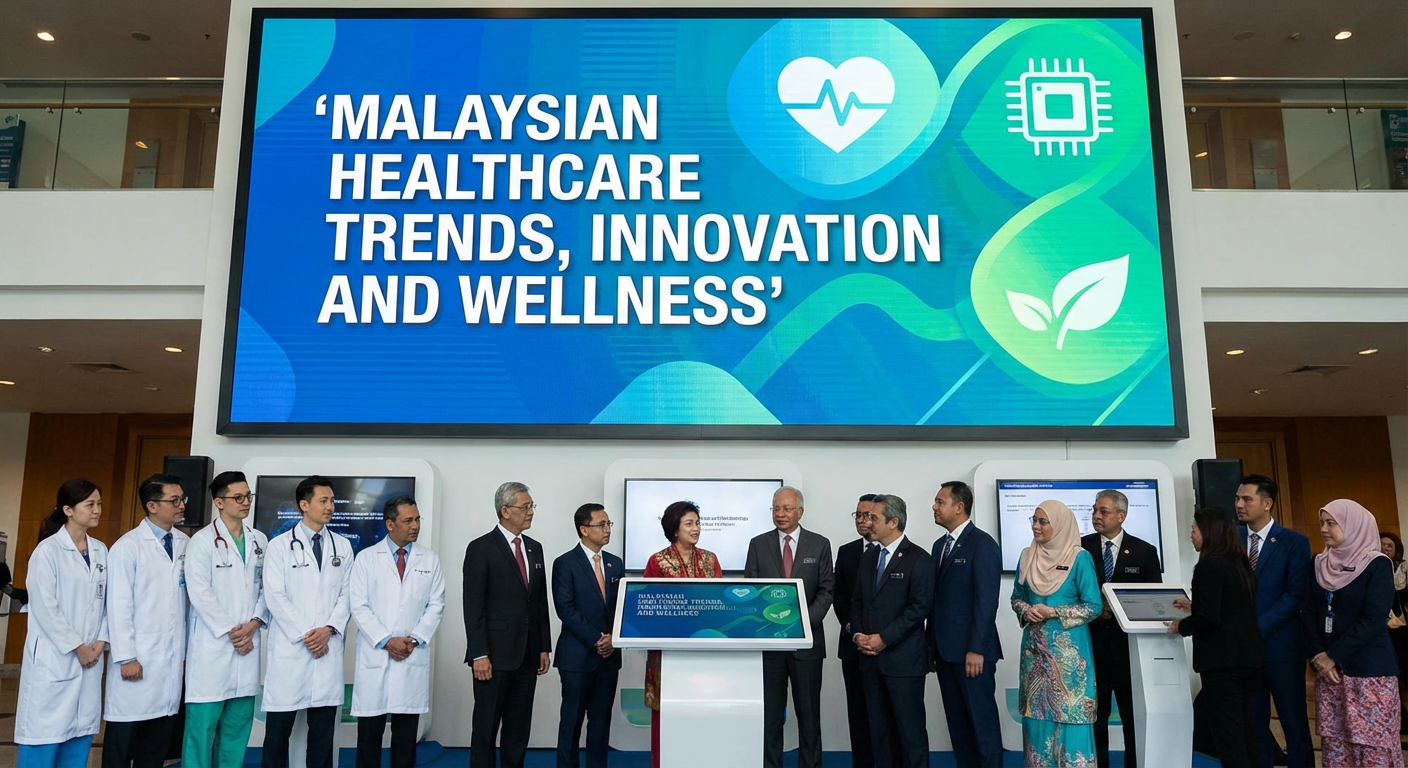
The journey to understanding what truly shapes our health can sometimes lead down an unexpected path. In our quest to uncover the latest developments, we initially found ourselves navigating a sea of administrative reports on industrial standards and ministerial visits. While important in their own right, they didn’t quite capture the story of what’s happening in clinics, hospitals, and homes across the nation. This prompted us to dig deeper, to move beyond the paperwork and uncover the real, impactful shifts in our healthcare landscape. What we found is a story of transformation, driven by technology, changing demographics, and a new understanding of what it means to be healthy. These are the trends that truly matter to you and your family.
The Digital Leap: Healthcare at Your Fingertips
Not too long ago, seeing a doctor meant taking time off work, travelling, and spending time in a waiting room. Today, that is rapidly changing. The biggest shift we’re seeing is the embrace of digital health. Telemedicine, or online consultations, has moved from a novelty to a mainstream option for many Malaysians, especially for non-urgent follow-ups and initial consultations. This surge is powered by a growing ecosystem of local health-tech start-ups. This move towards digitalisation goes beyond just video calls; it’s about creating a connected health experience. We are seeing greater adoption of electronic health records, which means your medical history can be accessed securely by different specialists, leading to better-coordinated care. This is a clear example of healthcare innovation in Malaysia that puts convenience and efficiency at the forefront.

Addressing the Needs of an Ageing Nation
Malaysia is getting older, and our healthcare system is adapting to this reality. By 2030, our country is expected to become an ageing nation, with more than 15% of the population aged 60 and above. This demographic shift is shaping one of the most significant Malaysian healthcare trends: a greater focus on geriatric care and managing non-communicable diseases (NCDs) like diabetes, hypertension, and heart disease. There is a growing demand for services like home nursing, assisted living facilities, and specialised care for chronic conditions. The conversation is moving from simply living longer to living healthier for longer, emphasising quality of life in our golden years.
A Shift Towards Prevention and Wellness
For years, the focus of healthcare has been on treating sickness. Now, the needle is moving decisively towards preventing it. There is a powerful, growing movement centred on health and wellness in Malaysia. More people are proactively taking charge of their health through better nutrition, regular exercise, and, importantly, paying attention to mental well-being. This shift is also visible at a national level. We are seeing more robust public health initiatives in Malaysia aimed at encouraging healthier lifestyles, from promoting the ‘Suku-Suku Separuh’ concept for balanced meals to creating more green spaces for recreation in our cities. Mental health, once a taboo subject, is now being discussed more openly, with more resources becoming available for those who need support.

Making Quality Care More Accessible for All
Ensuring that everyone has access to good healthcare, regardless of their income or location, remains a top priority. Various government schemes, such as the Skim Perubatan MADANI, are being implemented to help ease the financial burden of healthcare for lower-income groups, particularly for primary care services at private clinics. These targeted subsidies are vital in bridging the gap and form a key part of the ongoing public health initiatives in Malaysia. Furthermore, we are seeing continuous efforts and public-private partnerships aimed at improving healthcare infrastructure and expertise in rural areas of Sabah, Sarawak, and Peninsular Malaysia, ensuring that geography does not determine the quality of care one receives.
The Empowered Malaysian Patient
The convergence of all these factors has created a new type of patient: one who is more informed, engaged, and proactive. With health information readily available online and through mobile apps, individuals are playing a more active role in their healthcare journey. People are no longer passive recipients of care; they come to appointments with questions, having done their own research, and expect to be partners in their own treatment plans. This evolution is pushing the entire healthcare sector to become more patient-centric. Ultimately, this change summarises the evolving Malaysian healthcare trends, where the patient is placed firmly at the centre of a more connected, preventative, and accessible system.

In conclusion, the landscape of healthcare in Malaysia is undergoing a profound and exciting transformation. We’ve moved beyond the administrative surface to see a system that is becoming more digital, preventative, and patient-focused. From the convenience of telemedicine transforming our daily routines to the national strategy of preparing for an ageing population, these changes affect us all. The growing emphasis on health and wellness in Malaysia and the ongoing push for greater accessibility are not just policies; they are pathways to a healthier future for every citizen. The most promising aspect is the rise of healthcare innovation in Malaysia, which promises even more patient-centric solutions in the years to come. Staying informed about these developments allows us to be active participants in our own health journey.