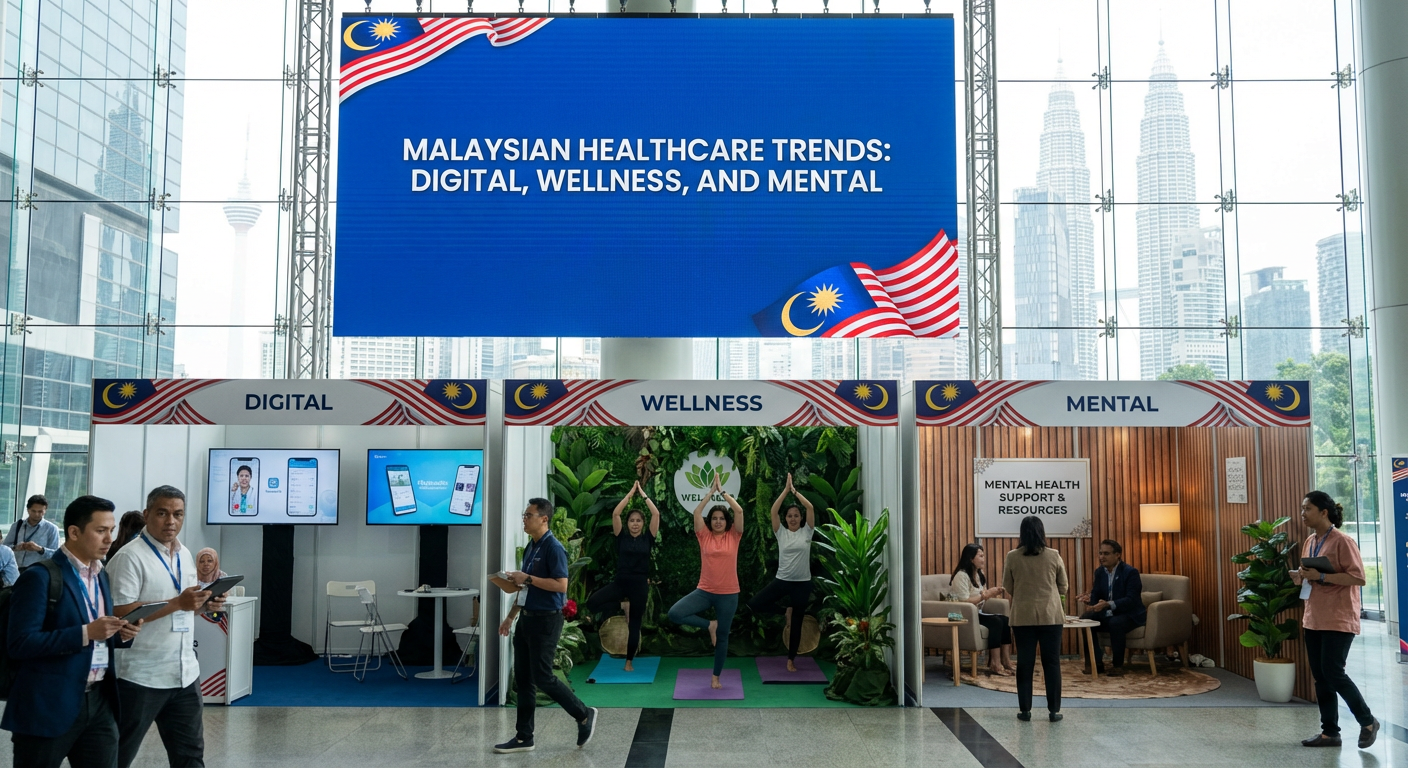
Remember when seeing a doctor meant taking a day off work, sitting in a crowded waiting room, and flipping through old magazines? That picture is rapidly changing. The way we manage our health in Malaysia is undergoing a quiet but powerful transformation, moving beyond the traditional clinic visit. It is about more than just new medicines; it is about a fundamental shift in how healthcare is delivered and experienced. However, with so much information out there, it can be difficult to separate the noise from the real, impactful developments. We are here to cut through the clutter and offer a clear look at the key Malaysian healthcare trends that are shaping our future, making healthcare more accessible, personal, and proactive for everyone in the country.
The Digital Doctor Will See You Now
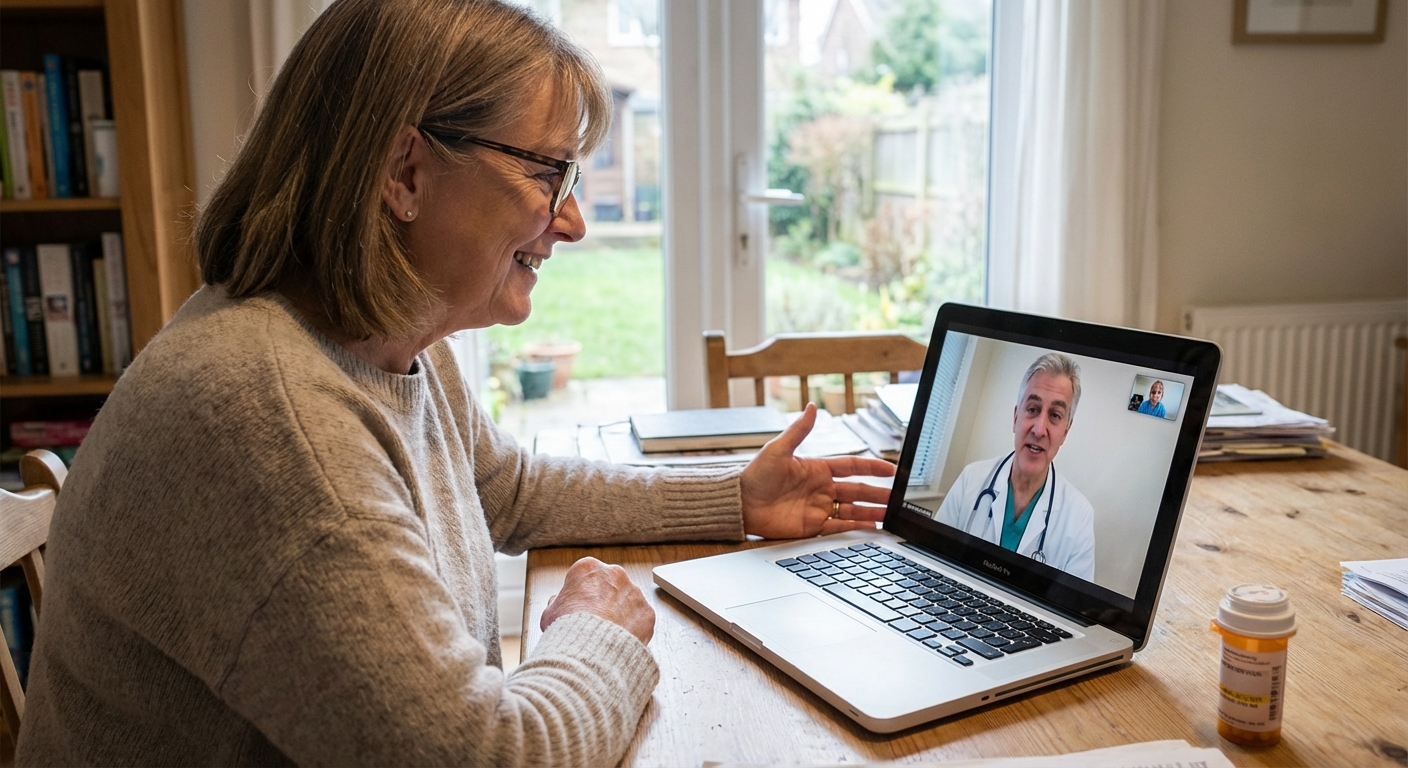
The biggest change we are all experiencing is the move towards digital healthcare. Spurred on by the recent pandemic, telemedicine has gone from a niche service to a mainstream option. Platforms that allow you to consult with a doctor via video call from your living room are no longer a novelty; they are a convenient reality. This digital shift extends to how our medical information is handled. Hospitals and clinics are gradually adopting Electronic Health Records (EHRs), which means your medical history can travel with you seamlessly from one healthcare provider to another. This reduces repetitive paperwork and gives doctors a more complete picture of your health, leading to better and safer care.
From Treating Sickness to Promoting Wellness
There is a growing understanding that waiting until we are sick to see a doctor is not the most effective approach. The focus is now shifting towards preventive care and maintaining overall wellness. This proactive mindset is visible everywhere. More companies in Malaysia are offering corporate wellness programmes, encouraging employees to stay active and manage stress. We are also seeing a surge in the use of wearable technology like smartwatches that track our steps, heart rate, and sleep patterns. This personal data empowers us to take control of our own health. This is part of a larger move towards personalised care, where health advice and treatment plans can be tailored specifically to an individual’s lifestyle and genetic makeup, rather than a one-size-fits-all solution.
Putting Mental Wellbeing Front and Centre
For too long, mental health was a topic discussed only in whispers. Thankfully, that is changing. One of the most positive Malaysian healthcare trends is the increasing focus on mental and emotional wellbeing. Conversations about stress, anxiety, and burnout are becoming more open, helping to reduce the old stigma. In response, accessibility to mental health support has grown significantly. Digital platforms now offer online therapy and counselling, making it easier for people to seek help discreetly and conveniently. Employers are also recognising their role, with many now including mental health coverage and support services as part of their employee benefits packages. This holistic view acknowledges that a healthy mind is just as important as a healthy body.

What is Fuelling These Changes?
This healthcare evolution isn’t happening by chance. A few key drivers are pushing this progress forward. Firstly, technology is the great enabler. The availability of high-speed internet and smartphones has laid the groundwork for services like telemedicine and health apps. Behind the scenes, we are also seeing some of the first emerging healthcare technologies in Malaysia being explored, such as Artificial Intelligence (AI) to help analyse medical scans more quickly and accurately. Secondly, our own expectations as consumers have changed. We are used to the convenience of online banking and shopping, and we now expect the same level of service and accessibility from our healthcare providers. Finally, supportive government policies aimed at building a digital economy are encouraging innovation within the healthcare sector.
The Road Ahead: Opportunities and Hurdles
As we embrace these new trends, we open up incredible opportunities. Digital health can bridge the gap in access to care, especially for those living in rural or remote areas of Malaysia. Patients are becoming more informed and engaged partners in managing their own health. However, the road ahead is not without its challenges. We must address the digital divide to ensure that those without reliable internet or digital literacy are not left behind. With more health data being collected, ensuring robust data privacy and security is extremely important to maintain public trust. Furthermore, our healthcare workforce will need continuous training to adapt to these new tools and ways of working, ensuring technology supports, rather than replaces, the essential human element of care.
To conclude, the healthcare landscape in Malaysia is being reshaped for the better. We are moving towards a system that is more connected, patient-focused, and proactive. The shift to digital consultations, a stronger emphasis on preventive wellness, and the open embrace of mental health discussions are not just passing fads; they are foundational changes. While hurdles like data security and digital inclusion must be carefully managed, the momentum is undeniable. Staying informed about these developments, including the **emerging healthcare technologies in Malaysia**, allows us to be active participants in our own health journeys. It is an exciting time, as these changes promise a future where quality healthcare is more integrated into our daily lives, helping us all live healthier, fuller lives.