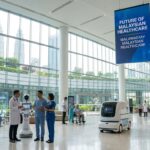
Have you ever checked your heart rate on a smartwatch after a stroll around the park, or had a quick video call with a doctor for a minor ailment? If so, you’ve already experienced a glimpse into the future of healthcare in Malaysia. Our approach to health is undergoing a remarkable transformation, moving beyond the traditional clinic visit to embrace a more connected, intelligent, and personal system. This shift isn’t just about convenience; it’s a fundamental change driven by technology that is reshaping how we manage our well-being. In this article, we’ll explore the exciting developments that are putting patients in the driver’s seat and making our healthcare system more efficient and effective for everyone across the nation.
The Digital Doctor Will See You Now
Not long ago, seeing a doctor meant travelling, waiting, and fitting an appointment into a busy day. Today, telehealth has brought the consultation room into our homes. The pandemic certainly accelerated its adoption, but the convenience and accessibility of virtual care have made it a permanent fixture in our healthcare landscape. For those in rural or remote areas of Malaysia, telehealth bridges a critical gap, providing access to specialists who might otherwise be hours away. For urban dwellers, it offers unparalleled convenience. This isn’t just about video calls; it includes digital prescriptions, online appointment booking, and continuous monitoring through connected devices, making healthcare a seamless part of our daily lives.

Smarter Health with AI and Data
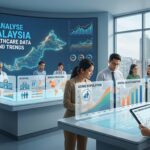
Artificial Intelligence (AI) is no longer a concept from science fiction; it’s a powerful tool working behind the scenes in Malaysian hospitals and clinics. Imagine an AI programme that can help a radiologist spot signs of disease on an X-ray with greater accuracy, or a system that can predict patient admissions to help hospitals manage beds and resources more effectively. This is happening right now. By analysing vast amounts of health data, AI can identify patterns that are invisible to the human eye, leading to earlier diagnoses and more effective treatment plans. This application of smart technology stands as one of the most promising healthcare innovations in Malaysia, promising a future where medical decisions are faster and more data-driven.

A New Focus on Personalised Prevention
For decades, healthcare has been largely reactive—we visit a doctor when we get sick. The tide is now turning towards a proactive and personalised model. Wearable devices, like smartwatches and fitness trackers, provide us with a constant stream of information about our health, from sleep patterns to activity levels. This data empowers individuals to make better lifestyle choices and prevent chronic illnesses, such as diabetes and heart disease, before they start. Healthcare providers are also using this information to create customised wellness plans tailored to an individual’s specific needs and risk factors. This shift from a one-size-fits-all approach to highly personalised care marks a significant step forward in promoting long-term health for all Malaysians.
Malaysia as a Premier Healthcare Destination
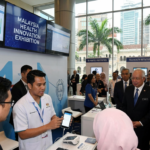
Our nation’s reputation for excellent and affordable medical care is attracting an increasing number of international patients. Medical tourism has become a cornerstone of the Malaysian healthcare industry, with world-class hospitals in cities like Kuala Lumpur and Penang offering specialised treatments in fields such as cardiology, fertility, and oncology. This influx not only boosts our economy but also drives competition and raises the standard of care for everyone. The success of Malaysia as a healthcare hub is a significant part of the emerging medical trends in Southeast Asia, positioning our country as a leader in providing high-quality, accessible medical services across the region.
The Path Forward for Health in Malaysia
As we look to the future, the integration of these technologies will only deepen. The journey ahead involves refining these systems to ensure they work together smoothly. Continued investment in digital infrastructure and training is essential to make sure everyone can benefit from these advances. The powerful combination of telehealth, AI, and preventive wellness are key healthcare innovations in Malaysia that are creating a more resilient and patient-focused system. These advancements are also solidifying our nation’s role in shaping the emerging medical trends in Southeast Asia, steering the entire region toward a healthier future.
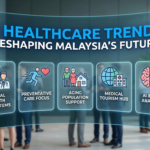
In conclusion, the healthcare landscape in Malaysia is experiencing one of its most exciting periods of change. The move towards telehealth has made medical advice more accessible than ever, while AI and big data are making diagnostics smarter and more efficient. Furthermore, a strong focus on personalised, preventive care is empowering us all to take better control of our health. Complemented by our growing status as a leading medical tourism hub, these trends paint a vibrant picture of the future. This technological evolution is not just about adopting new tools; it is about building a healthcare system that is more proactive, personalised, and accessible for every Malaysian, ensuring a healthier tomorrow for our nation.