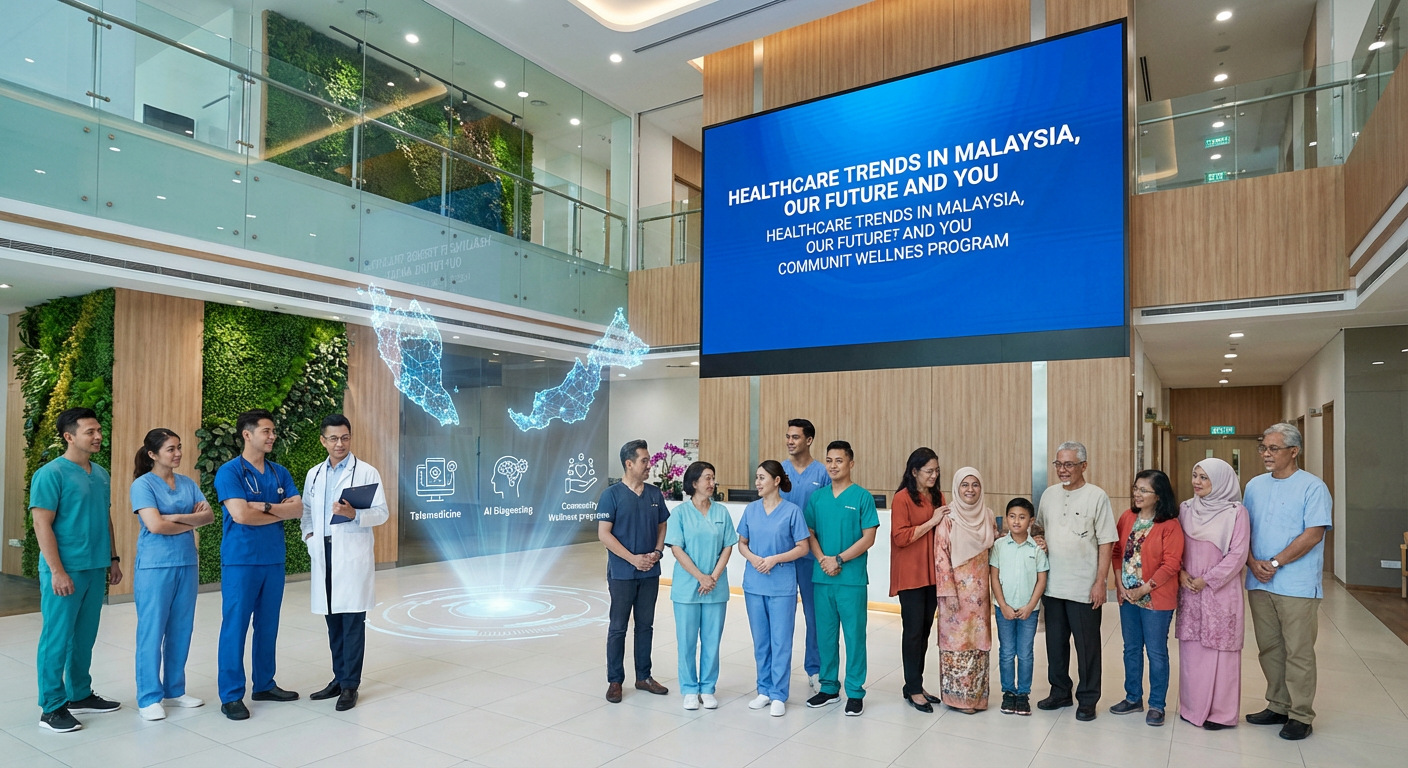
Have you ever paused to think about how our approach to health has changed over the last few years? It’s a conversation happening in coffee shops, offices, and family homes across the country. Our collective perspective on well-being is shifting, driven by new technologies, changing demographics, and a greater awareness of what it means to live a healthy life. The way we access medical advice, manage long-term conditions, and even talk about our mental state is evolving right before our eyes. In this article, we will explore the key healthcare trends in Malaysia that are shaping our future, from the rise of digital consultations to a renewed focus on community wellness, helping you understand the changes that affect us all.
Caring for Our Elders in a New Era
Malaysia is getting older, and this isn’t just a saying. We are experiencing a significant demographic shift, with a growing population of senior citizens. This “silver tsunami” brings a unique set of needs that the healthcare sector is now working hard to address. The demand for specialised geriatric care, assisted living facilities, and home-based nursing services is on the rise. Families are increasingly looking for support systems to help care for their ageing parents and grandparents. This trend is pushing for more innovation in elderly care, from creating more age-friendly community spaces to developing technologies that help seniors live independently and safely for longer.

The Doctor Will See You Now, Online
Remember when seeing a doctor always meant a trip to the clinic and a long wait? That reality is quickly changing with the boom in digital health, or telehealth. Accelerated by the recent pandemic, online consultations have become a convenient and accepted way to seek medical advice. You can now talk to a doctor, get a diagnosis for common ailments, and even receive an e-prescription right from your living room. This is a huge step forward, especially for those living in rural areas or for individuals with mobility challenges. While digital literacy can still be a hurdle for some, the convenience and accessibility of telehealth mean it’s a trend that is definitely here to stay.
A Proactive Stance on Chronic Diseases
It’s no secret that non-communicable diseases (NCDs) like diabetes, hypertension, and heart disease are major health concerns in our nation. In response, there’s a growing movement towards proactive and preventative care rather than just treatment. The Malaysian healthcare system is increasingly promoting regular health screenings and educational programmes to help people manage their lifestyle choices. You’ll see more campaigns about healthy eating, the importance of exercise, and the dangers of a sedentary life. This shift is about empowering individuals to take control of their health early on, reducing the long-term burden of these chronic conditions on both patients and our medical infrastructure.

Bringing Mental Wellness out of the Shadows
For a long time, mental health was a topic spoken about in whispers. Thankfully, that is changing. A significant and positive trend is the growing conversation around mental wellness and the reduction of social stigma. More Malaysians are recognising that mental health is just as important as physical health. This has led to an increased demand for accessible counselling and psychiatric services. In support of this, we are seeing new public health initiatives in Malaysia aimed at integrating mental health support into schools, workplaces, and community centres. The goal is to create an environment where seeking help is seen as a sign of strength, not weakness.
Strengthening Community Health Through Government Action
The government plays a crucial role in steering the direction of national health. Recent programmes and policies highlight a commitment to making healthcare more accessible and equitable for all citizens. Initiatives like the Madani Medical Scheme and the Peka B40 health screening programme are prime examples of efforts to support lower-income groups. These public health initiatives in Malaysia provide free or subsidised services, ensuring that financial constraints do not become a barrier to essential medical care. By strengthening the foundation of the Malaysian healthcare system at the community level, these actions aim to improve overall public health and create a healthier nation for generations to come.
As we’ve seen, the healthcare landscape is not static; it’s a dynamic environment influenced by our changing society and technological progress. From embracing digital tools for medical consultations to caring for our ageing population and placing a much-needed emphasis on mental well-being, the direction is clear. The focus is shifting towards more accessible, proactive, and holistic care. Staying informed about these key healthcare trends in Malaysia is more than just an academic exercise—it empowers us to make better decisions for ourselves and our families. It allows us to be active participants in our own health journey and to advocate for a system that truly serves the needs of every Malaysian in the years ahead.