Have you ever paused to consider the quiet forces shaping your next visit to the clinic or how you access health information? The healthcare landscape in Malaysia is shifting, and it’s about more than just new hospitals or medicines. It’s an intricate system where exciting patient-facing innovations are supported by a strong, often unseen, regulatory backbone. From the convenience of a telehealth call to the precision of a lab test, every element is part of a larger picture. In this article, we will explore some of the key Malaysian healthcare industry developments, looking at both the exciting new technologies becoming available to us and the essential groundwork of standards and regulations that make it all possible, ensuring safety, quality, and progress for everyone.

The New Front Door to Healthcare: Digital Access
The way we interact with healthcare providers has changed for good. Gone are the days when every consultation required a trip to a clinic. Telehealth services, mobile health apps, and wearable devices are no longer novelties; they are becoming standard tools in our wellness journey. These platforms offer incredible convenience, allowing Malaysians to consult with specialists, monitor chronic conditions like diabetes or high blood pressure from home, and access their health records with a simple tap. This shift represents one of the most significant emerging healthcare technologies in Malaysia, empowering patients to take a more active role in managing their own health and wellbeing.
Building Trust Through Unseen Standards
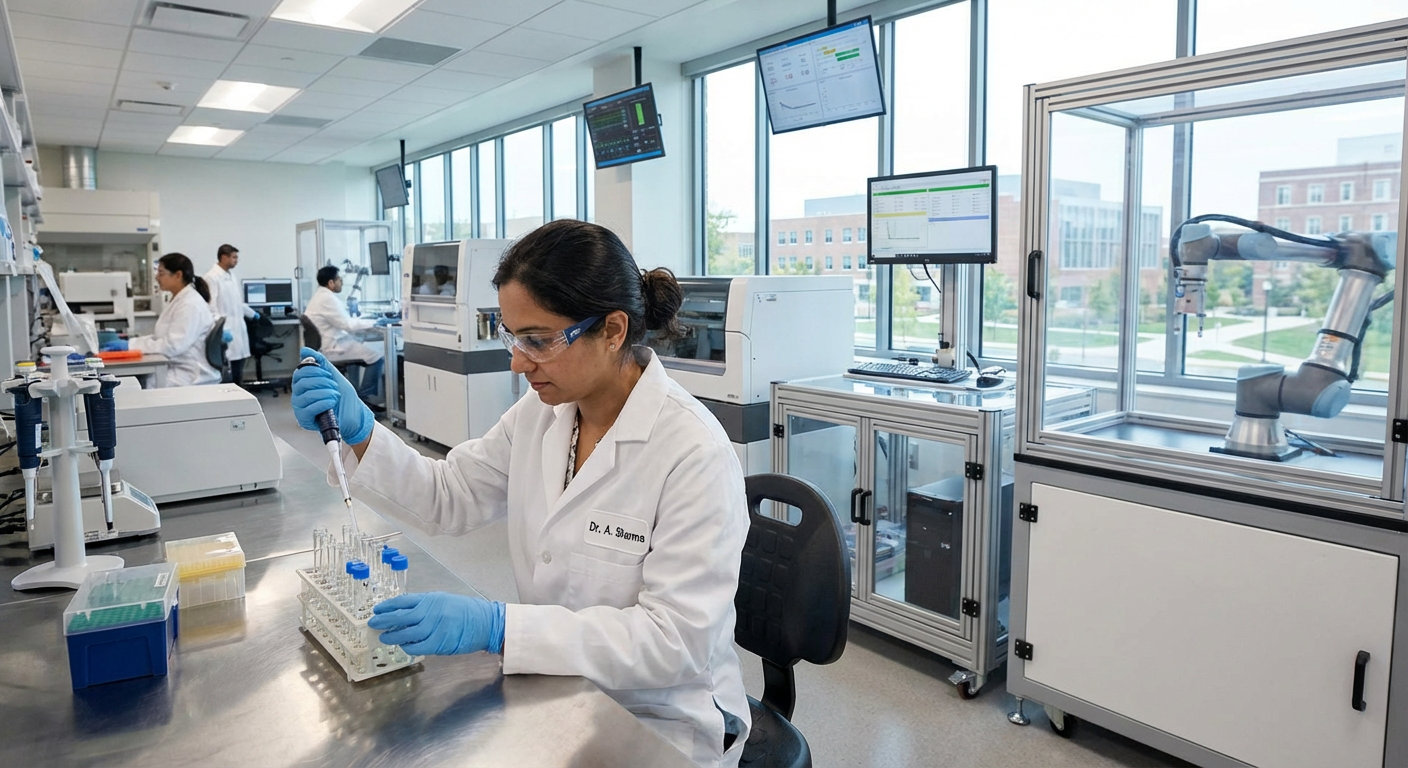
For these digital health tools to be truly effective, we must be able to trust them. This is where the less glamorous, but critically important, world of standards comes into play. Behind every reliable medical device or accurate lab result is a framework of meticulous rules. For instance, discussions around industrial engineering standards ensure that the physical hardware, from blood pressure monitors to telehealth kiosks, is safe and performs correctly. Furthermore, when your data is sent to a lab, you need assurance it is handled properly. This is governed by principles like the OECD Good Laboratory Practice (GLP) requirements, a quality system that ensures test data is uniform, consistent, and reliable across the board.
A Cleaner, Greener Approach to Health
Innovation in healthcare isn’t limited to technology and data; it also extends to our environment. There’s a growing movement towards making healthcare facilities more sustainable. This involves everything from better waste management protocols to designing energy-efficient hospitals. Looking to the future, we even see forward-thinking discussions, such as the hydrogen technologies consultation sessions held by regulatory bodies. While it may seem distant, exploring cleaner energy sources like hydrogen is a proactive step towards reducing the carbon footprint of our healthcare infrastructure. This move towards sustainability ensures that our pursuit of health does not come at the expense of our planet’s wellbeing.
Aligning the Pieces: The Role of Regulation
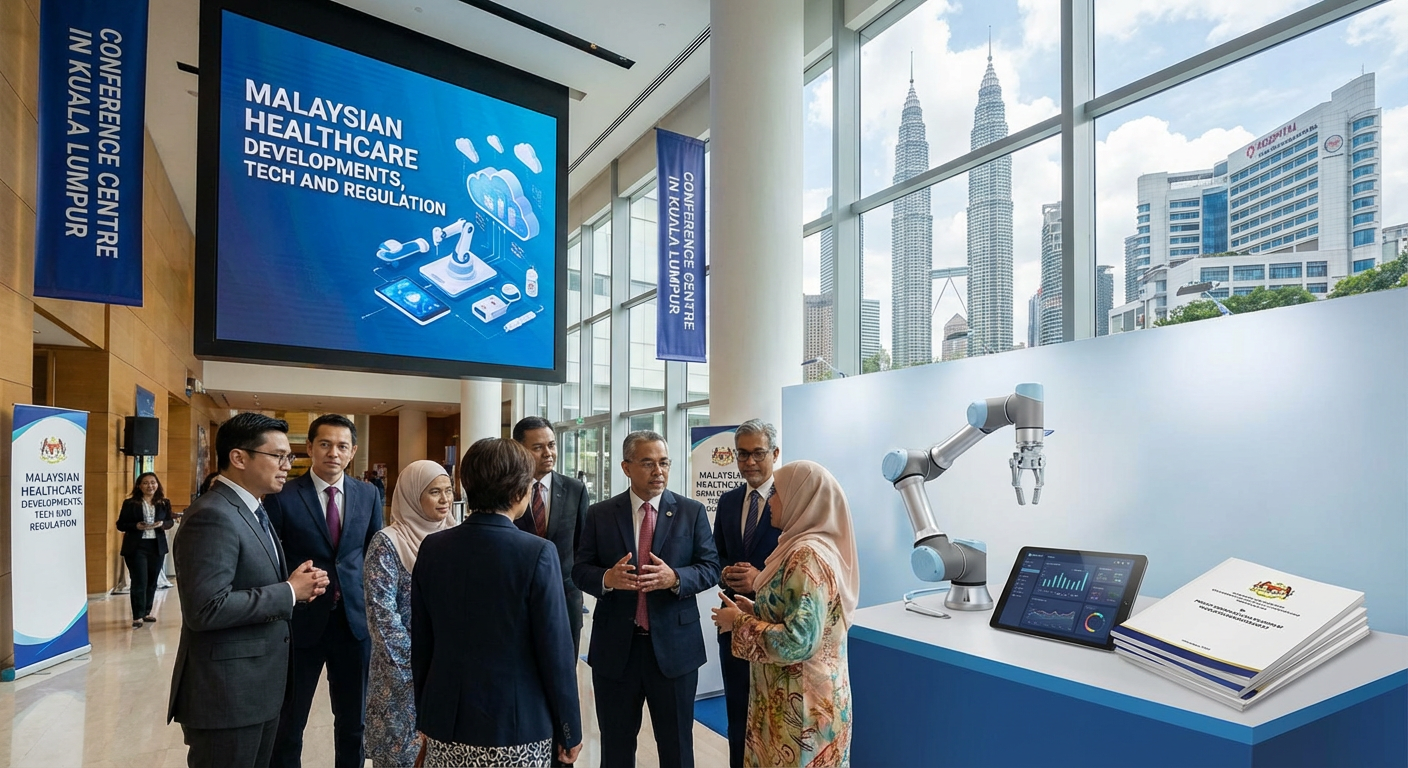
Bringing all these advancements together requires careful coordination. This is achieved through ongoing dialogue and collaboration between government bodies, industry experts, and healthcare providers. Meetings such as regulatory coordination meetings and even formal departmental courtesy visits are fundamental to this process. They are where policies are shaped, standards are agreed upon, and a clear path forward for the entire industry is charted. These efforts are the engine driving Malaysian healthcare industry developments, ensuring that innovation is introduced in a structured, safe, and beneficial way for the public. It’s this collaborative spirit that transforms individual ideas into a cohesive national strategy for better health.

What Lies on the Horizon for Malaysian Healthcare?
The journey of innovation is far from over. We are on the cusp of even more transformative changes. Artificial Intelligence (AI) is beginning to play a role in diagnostics, helping doctors detect diseases earlier and with greater accuracy. The field of personalised medicine, where treatments are tailored to an individual’s genetic makeup, is slowly moving from theory to practice. These advancements, among others, signal a promising future. The continued focus on emerging healthcare technologies in Malaysia promises a healthcare system that is not only more efficient and accessible but also more predictive and personalised, offering a new standard of care for all of us.
In summary, the evolution of healthcare in Malaysia is a fascinating story of two connected parts. On one side, we have the visible, exciting advancements like telemedicine and wearable tech that are changing our daily lives. On the other, we have the vital, underlying foundation of standards, regulations, and collaborative discussions that ensure these innovations are safe, reliable, and effective. From quality checks in labs to exploring sustainable energy for hospitals, this behind-the-scenes work is what builds trust and paves the way for a healthier future. As we continue to embrace new technologies, it’s comforting to know that a robust framework is in place to guide these developments, ensuring that progress in healthcare is progress for everyone.