The Future of Health: Exploring the Key Shifts in Malaysian Healthcare
Think about the last time you needed medical advice. Did you automatically plan a trip to a clinic, or did you first reach for your phone? The way we interact with healthcare is changing right before our eyes. It’s no longer just about visiting a doctor when we fall ill; it’s about staying well, using technology for convenience, and planning for a healthier future. In Malaysia, this transformation is well underway, driven by new technologies and a fresh focus on what patients truly need. As a nation, we are moving towards a healthcare system that is more connected, proactive, and personal. Here, we will explore some of the most significant shifts shaping the future of health in our country, including the rise of digital services and a stronger emphasis on preventive care.
The Digital Doctor Will See You Now
One of the most visible changes is the rapid adoption of digital health services. The days of spending hours in a waiting room for a minor consultation are slowly fading for some. Telemedicine platforms have become a familiar option, allowing patients in urban and even rural areas to consult with doctors through video calls. This isn’t just about convenience; it is about making healthcare more accessible. For those with mobility issues, busy work schedules, or who live far from a clinic, being able to get professional advice from home is a game-changer. The Malaysian government has recognised this shift, putting in place guidelines to ensure that these digital services are safe and reliable for everyone.

A Greater Focus on Prevention, Not Just Cure
For decades, healthcare was often reactive—we waited until we were sick to seek help. Now, there is a growing understanding that preventing illness is just as important as treating it. With non-communicable diseases (NCDs) like diabetes and hypertension on the rise in Malaysia, the focus is shifting towards proactive wellness and early detection. This is one of the most important emerging healthcare practices in Malaysia. Initiatives such as the Skim Peduli Kesihatan for the B40 group (PeKa B40) are excellent examples of this approach. By offering free health screenings, the programme helps to identify health risks early on, allowing for timely intervention before problems become more serious. This move towards preventive care empowers individuals to take charge of their own health.
Preparing for an Ageing Nation
It’s a well-known fact that Malaysia is heading towards becoming an ageing nation. This demographic shift brings its own unique set of challenges and opportunities for our healthcare system. As more of our population enters their senior years, the demand for geriatric care, long-term nursing facilities, and home-based healthcare services will increase significantly. Acknowledging this is central to understanding current Malaysian healthcare trends. The healthcare sector is beginning to adapt by developing more specialised services for the elderly, focusing not just on medical treatment but also on quality of life, mobility support, and managing chronic conditions that are more common in older age.

Technology Enhancing the Treatment Room
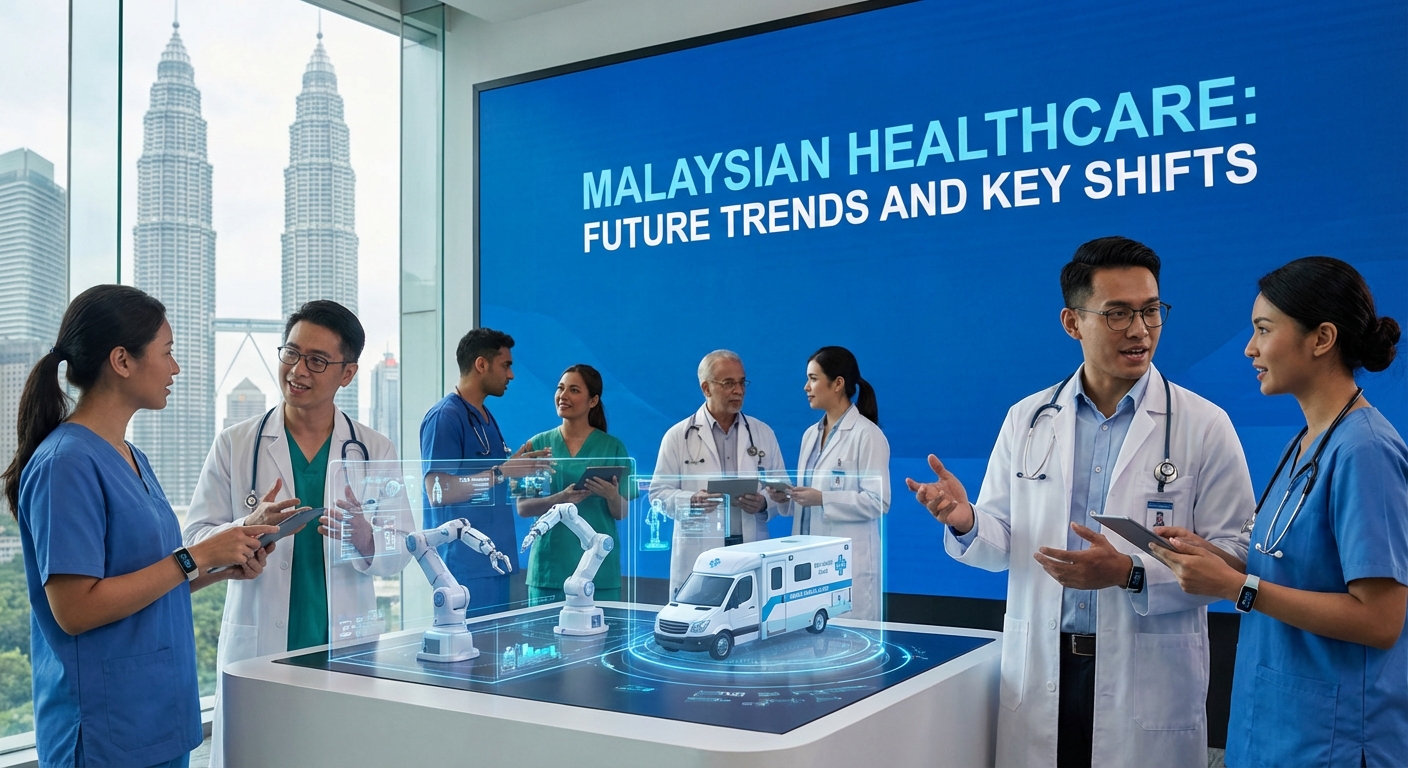
Beyond telehealth, technology is making its way into our hospitals and clinics in other powerful ways. The adoption of Electronic Medical Records (EMRs) means that your health information can be shared securely between different doctors or departments, leading to more coordinated and safer care. In some specialised centres, we are also seeing the use of advanced tools like AI to help analyse medical images with greater speed and accuracy, as well as robotic-assisted surgery that can lead to less invasive procedures and quicker recovery times for patients. These technologies are not about replacing doctors but about giving them better tools to do their jobs, ultimately leading to better outcomes for all of us.
Building a Stronger Healthcare System for Tomorrow
Underpinning all these changes is a concerted effort to build a more resilient and fair healthcare system for every Malaysian. The government’s Health White Paper initiative outlines a long-term vision to reform the entire structure, from how services are funded to how our healthcare professionals are trained and retained. There is a strong push towards creating better public-private partnerships to share the load and improve efficiency. These high-level reforms are crucial because they create the foundation upon which all the other emerging healthcare practices in Malaysia can be successfully built, ensuring the system can meet the needs of the population for years to come.
In conclusion, the landscape of healthcare in our nation is undergoing a profound and exciting evolution. We are witnessing a clear move away from a one-size-fits-all, reactive model towards a system that is far more personal, accessible, and forward-thinking. The integration of digital health is making services more convenient, while a renewed emphasis on preventive care empowers us to lead healthier lives from the start. As we prepare for a future with an older population, these adaptations are not just helpful but necessary. The ongoing Malaysian healthcare trends, supported by government reform and technological progress, all point towards a future where healthcare is a collaborative journey between the patient and the provider, focused on long-term wellness for all.