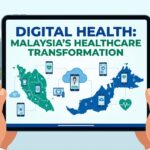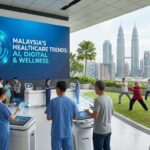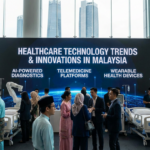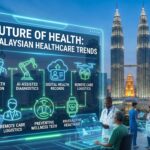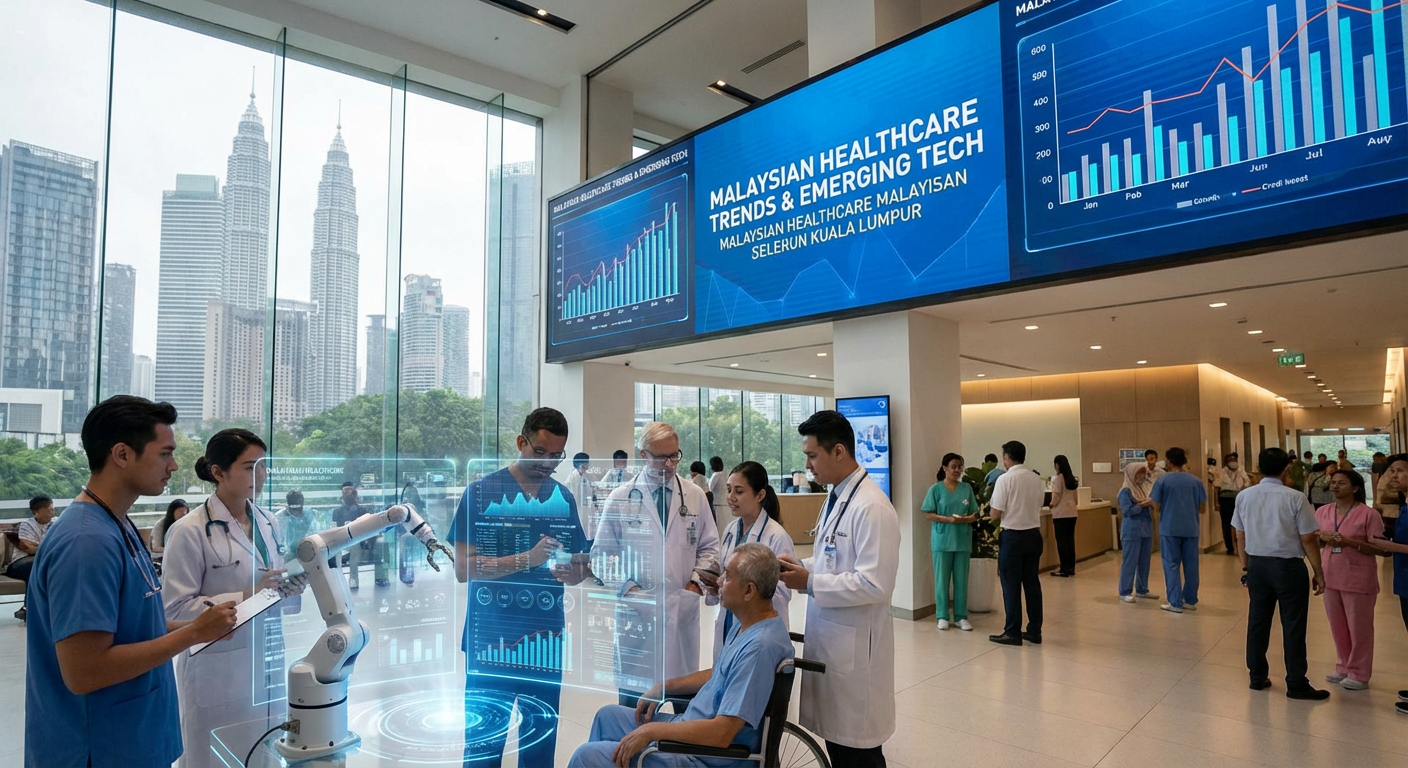
Navigating the sea of information to find what truly matters can be a challenge. When we first set out to explore the future of healthcare in Malaysia, we were met with a wave of administrative reports and technical documents. While important, they didn’t tell the real story of what’s happening on the ground for patients and practitioners. So, we dug deeper, moving past the jargon to uncover the genuine shifts transforming our nation’s health landscape. This journey revealed a fascinating picture, one defined by technology, new strategies born from recent challenges, and a growing focus on our overall wellbeing. In this article, we’ll share the key developments that are shaping the future of health services across Malaysia, for all Malaysians.
Finding the Right Compass for Healthcare News
The first step in understanding any significant change is knowing where to look for reliable information. Official-looking documents are not always the most helpful source for practical trends. For a clearer picture, we found that turning to resources like the Malaysian Ministry of Health’s official website, publications from local medical associations, and reputable healthcare news outlets provides far more valuable insights. These sources discuss the issues that directly affect us, from new technologies in our local clinics to nationwide public health strategies. They offer a direct line to the innovations and policies that are actively shaping patient care, rather than the internal workings of government departments.
The Rise of Digital Health and Telemedicine
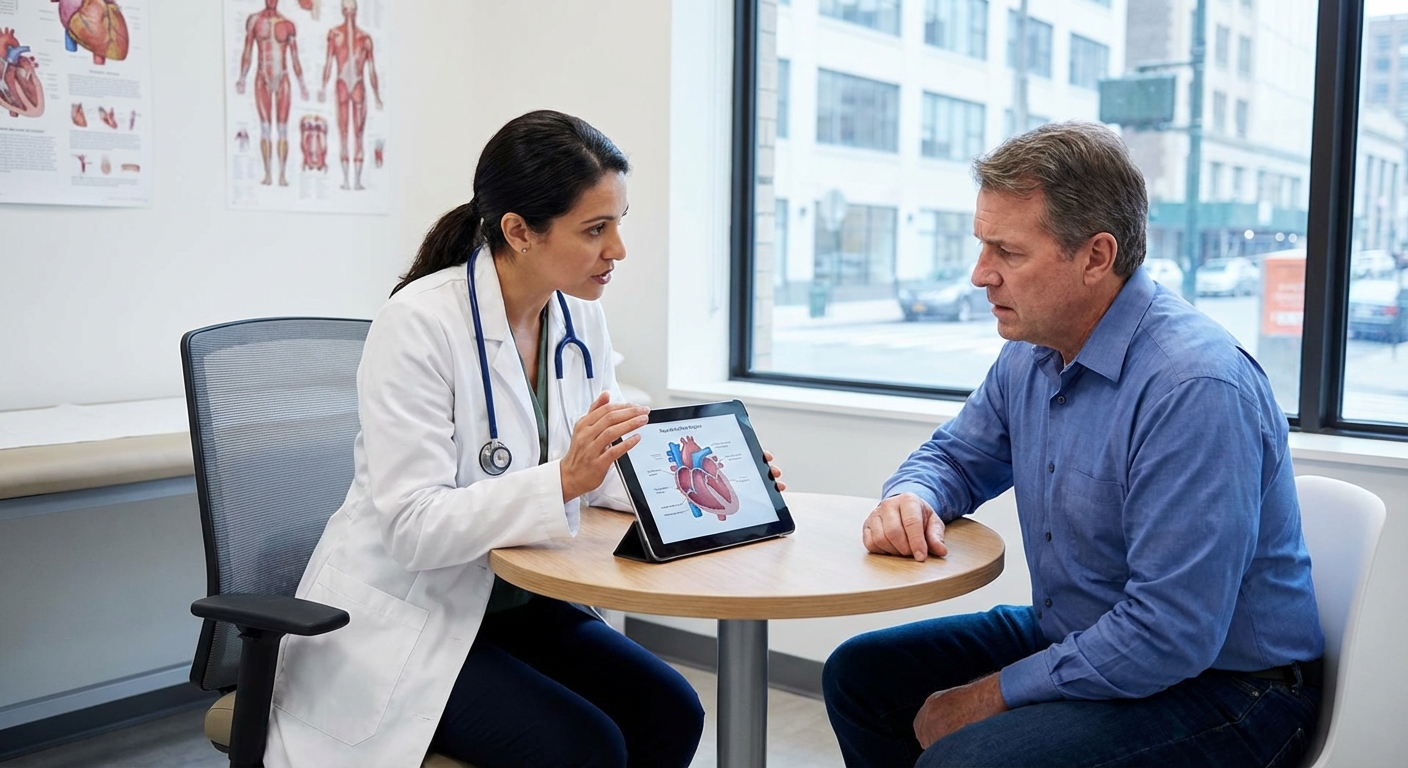
One of the most significant changes in recent years has been the rapid adoption of digital tools in healthcare. The convenience of connecting with a doctor from the comfort of your home is no longer a futuristic idea but a present-day reality for many in Malaysia. Telemedicine platforms have found their footing, offering consultations for common ailments, prescription renewals, and specialist follow-ups without the need to travel. This digital shift extends beyond virtual appointments. We are seeing a move towards electronic health records, which allow for smoother information sharing between hospitals and clinics, leading to better-coordinated care for patients. This integration of technology is making healthcare more accessible and efficient for everyone.
How AI is Quietly Improving Patient Care
Artificial Intelligence (AI) might sound like something from a science fiction film, but its applications in Malaysian healthcare are very real and practical. It’s not about robot doctors, but about giving our human healthcare professionals better tools to do their jobs. For example, AI-powered software can help radiologists analyse medical scans like X-rays and CT scans with greater speed and accuracy, potentially catching problems earlier than the human eye might alone. Hospitals are also using AI to manage patient flow and bed allocation more effectively, reducing waiting times. These emerging healthcare technologies in Malaysia are working behind the scenes to make diagnoses quicker and hospital operations smoother, ultimately leading to better outcomes for patients.

Lessons Learned: Healthcare in a Post-Pandemic World
The global pandemic was a tough test for healthcare systems everywhere, and Malaysia was no exception. However, it also taught us invaluable lessons that are now shaping long-term strategies. There is a much stronger emphasis on public health preparedness, ensuring our nation is better equipped to handle future health crises. This includes strengthening supply chains for essential medical supplies and enhancing our public health surveillance systems. On a more personal level, there’s a heightened awareness of hygiene and infectious disease control that has become part of our daily lives. These post-pandemic strategies are not just about reacting to the past but proactively building a more resilient and responsive healthcare system for the future.
A New Chapter for Mental Health Awareness
Of all the positive Malaysian healthcare trends, the growing conversation around mental health is perhaps one of the most important. The stigma that once surrounded mental wellbeing is slowly but surely fading, and more people are feeling empowered to seek help. This cultural shift is supported by an increase in accessible resources, from online counselling services to government-backed mental health hotlines and community programmes. Recognising that mental health is just as important as physical health is a huge step forward. This focus indicates a more holistic approach to healthcare, where the emotional and psychological wellbeing of every individual is given the attention it deserves.

In conclusion, the landscape of healthcare in Malaysia is undergoing a significant and positive transformation. By looking past surface-level data and focusing on trusted sources, a clear picture emerges. The digital evolution is making services more accessible through telemedicine, while the quiet integration of emerging healthcare technologies in Malaysia is enhancing the precision of care behind the scenes. We have also learned crucial lessons from the pandemic, leading to a stronger and more prepared public health framework. Most importantly, the growing focus on mental wellbeing signals a welcome move towards a more complete and compassionate approach to health. These powerful Malaysian healthcare trends together paint a promising picture of a healthier future for our nation, driven by innovation, preparedness, and a deeper understanding of what it means to be truly well.