Have you ever tried to understand the direction of healthcare in Malaysia, only to find yourself lost in a sea of official documents and administrative notices? It’s a common frustration. You see papers from government bodies like Jabatan Standard Malaysia and assume they hold the key, but they often speak a language of regulation, not revolution. These documents are about maintaining standards, not necessarily highlighting the shifts in how we manage our health day-to-day. The real story of our nation’s health evolution isn’t always found in formal gazettes. This article will guide you past the paperwork and show you where to find the genuine pulse of healthcare in Malaysia, exploring the trends that are truly shaping our well-being and medical experiences.
The Paper Trail vs. The People’s Health
When we first began exploring healthcare developments, we encountered a similar challenge. The search results were filled with notices, circulars, and administrative updates. While these are essential for the governance of the healthcare sector, they don’t capture the dynamic changes happening on the ground. Think of it this way: a document about the standards for medical equipment is crucial for safety, but it doesn’t tell you about the rise of telemedicine or the growing focus on mental wellness. These official papers deal with the ‘how’ of regulation, not the ‘what’ and ‘why’ of emerging health trends that affect us directly as patients and citizens.
Sharpening Your Search: Where to Look for Real Insights
To truly understand the current landscape, we must refine our search strategy. The secret is knowing where to look and what to ask. Instead of generic searches, using more specific phrases is key. For example, a search for Malaysian healthcare industry trends will yield far more relevant results than sifting through departmental archives. Reputable sources are your best friends here. News portals with dedicated health sections, like The Star Health or specialised outlets like CodeBlue, provide analysis from journalists and experts who are watching the sector closely. Furthermore, communications from the Malaysian Ministry of Health (Kementerian Kesihatan Malaysia) often detail strategic plans and new public health initiatives, offering a top-down view of the nation’s health priorities.

The Digital Health Revolution is Here
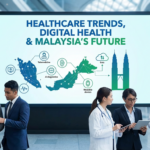
One of the most significant shifts we’ve identified is the rapid adoption of digital health services. The movement control orders (MCOs) acted as a catalyst, pushing virtual consultations from a niche service to a mainstream option. Many Malaysians have now experienced consulting with a doctor through their phone or laptop, receiving prescriptions and advice without leaving home. This convenience is supported by a growing ecosystem of health apps that help us book appointments, track our fitness, and manage chronic conditions. This digital transformation is not just a temporary fix; it represents a fundamental change in how we access and interact with healthcare providers, making services more accessible for people across the country, from Kuala Lumpur to Kota Kinabalu.

A Focus on Future-Proofing Healthcare
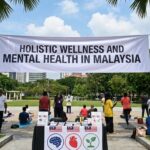
Beyond technology, another powerful trend is the move towards preventive care. As Malaysia’s population ages and lifestyle-related illnesses like diabetes and heart disease become more common, the focus is shifting from simply treating sickness to proactively managing health. This proactive approach is driving many of the healthcare innovations in Malaysia. We are seeing more wellness programmes, corporate health initiatives, and public awareness campaigns encouraging healthier lifestyles. This represents a long-term strategy to build a healthier nation and reduce the strain on our healthcare system. It’s about empowering individuals to take control of their health before problems arise, ensuring a better quality of life for years to come.
Key Developments Shaping Our Health Journey
The healthcare story in Malaysia is multifaceted. Alongside digital health and preventive care, other important developments are taking shape. For instance, Malaysia continues to strengthen its position as a leading destination for medical tourism, attracting international patients with its combination of high-quality care and competitive costs. This growth is a key part of the Malaysian healthcare industry trends. At the same time, there is a much-needed and growing conversation around mental health. More resources are becoming available, and the stigma surrounding mental wellness is slowly but surely decreasing. These new services are some of the most important healthcare innovations in Malaysia, reflecting a more holistic and modern approach to well-being.
In conclusion, understanding the real healthcare trends in Malaysia requires us to look beyond the surface level of administrative notices. By directing our attention to reputable news sources, official health communications, and targeted search queries, a much clearer picture emerges. We’ve seen that the landscape is being dramatically reshaped by the digital health boom, a strategic pivot towards preventive care, the rise of medical tourism, and a greater emphasis on mental wellness. These are not just abstract concepts; they are tangible shifts that affect how we access care and manage our health. Staying informed about these developments is essential for all of us as we navigate our personal health journeys in an ever-evolving system.