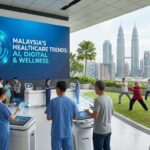
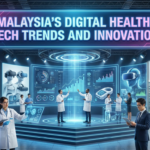
If the past few years have taught us anything, it’s that our health is our most valuable possession. How we safeguard this possession, however, is being reshaped right before our eyes. The healthcare landscape in Malaysia is undergoing a significant transformation, moving beyond the traditional model of merely treating illnesses. We are witnessing a clear shift towards leveraging technology, prioritising preventive care, and addressing long-standing challenges within the Malaysian healthcare system. Understanding these evolving healthcare trends is no longer just for doctors and policymakers; it is important for every individual who wants to take charge of their well-being. This article will explore the key changes happening now, from the health issues that concern us most to the exciting new digital tools at our disposal.
Navigating Malaysia’s Main Health Hurdles
For decades, our primary health concerns have shifted from infectious diseases to chronic, non-communicable diseases (NCDs). Conditions like diabetes, heart disease, hypertension, and cancer are now incredibly common across the nation. According to recent national health surveys, the numbers are worrying, with many Malaysians living with these conditions without even knowing it. This rise is closely linked to our modern lifestyles—our diets, sedentary habits, and daily stress all play a role. Addressing these NCDs is a top priority, as they place a huge strain on individuals, families, and our healthcare resources. The focus now is not just on treatment but on early detection and better management to help people live healthier, longer lives.

Technology: The New Pulse of Healthcare
Technology is rapidly becoming a cornerstone of modern medicine here in Malaysia. The adoption of digital health solutions has accelerated, changing how we interact with healthcare providers. Many of us experienced this firsthand with the MySejahtera application, which evolved from a contact tracing tool into a personal health record keeper. Beyond that, telemedicine is gaining serious traction. The ability to consult with a doctor via a video call from the comfort of our homes is no longer a futuristic concept but a practical reality for many. This remote patient monitoring allows for continuous care, especially for those with chronic conditions, making healthcare more accessible and convenient than ever before.
A Stronger Focus on Prevention
There is a growing understanding that preventing a disease is far better than treating it. In line with this, we are seeing more robust public health initiatives Malaysia aimed at promoting healthier living. The government has introduced various programmes designed to encourage regular health screenings, balanced diets, and physical activity. Initiatives like the Agenda Nasional Malaysia Sihat (ANMS) are designed to make healthy living a part of our national culture. Furthermore, community-based healthcare approaches, such as the work done by Klinik Kesihatan and Klinik Desa, are being strengthened to bring preventive services directly to the people, especially through programmes that screen for NCDs and promote wellness at a local level.

Bridging the Gaps: Challenges and Future Goals
While we have made great strides, the Malaysian healthcare system still faces its share of challenges. One of the most significant is ensuring equal access to quality healthcare for everyone, regardless of where they live. There remains a noticeable gap in services and infrastructure between urban centres and more rural or remote areas, particularly in Sabah and Sarawak. Efforts are underway to tackle this disparity, including building new facilities, upgrading existing ones, and creating incentives for healthcare professionals to serve in underserved communities. The goal is to build a more equitable system where every Malaysian has the opportunity to receive the care they need, when they need it.
In conclusion, the healthcare landscape in Malaysia is dynamic and full of potential. Acknowledging the rise of chronic diseases has catalysed a necessary shift towards proactive and preventive health. The integration of digital tools and telemedicine is making healthcare more accessible, while targeted public health initiatives are empowering communities to adopt healthier lifestyles. Of course, challenges like bridging the urban-rural care gap remain, but they are being actively addressed. These ongoing healthcare trends signal a promising future. As we move forward, a collaborative effort between the government, healthcare providers, and the public will be key to building a healthier, more resilient nation for generations to come, ensuring everyone can participate in this positive transformation.