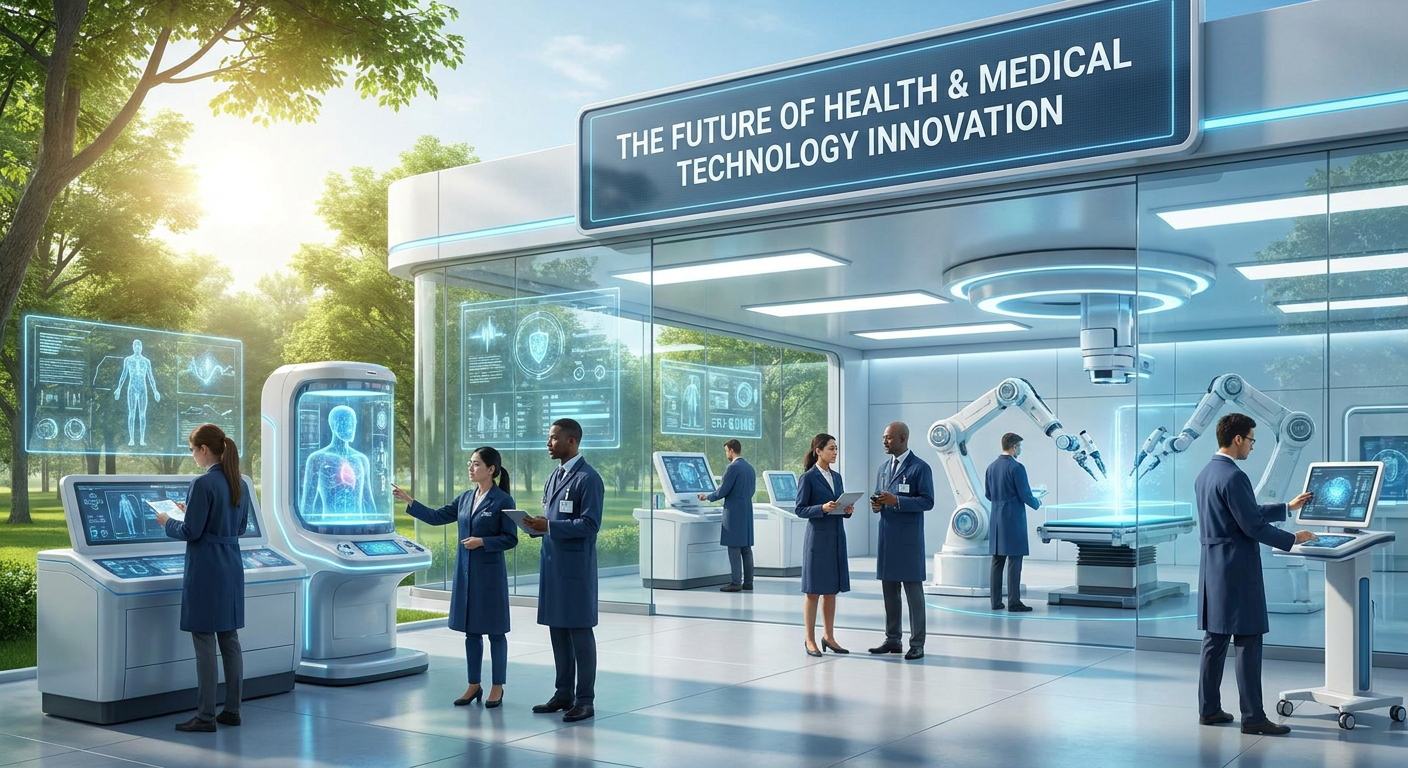
Have you ever paused to think about what your next doctor’s visit might look like? It might not be in a clinic at all. Instead, it could be a video call from your living room, with your doctor reviewing real-time health data sent directly from the watch on your wrist. This isn’t science fiction; it’s the reality of modern healthcare unfolding right here in Malaysia and across the globe. The way we manage our health is changing rapidly, driven by new ideas and powerful tools. In this article, we’ll explore the key shifts happening in healthcare, from the smart devices we use every day to the fundamental changes in how medical care is delivered, all aimed at creating a healthier future for us all.
The Rise of Digital Health Tools
One of the most visible changes in healthcare is the device you might be wearing right now. Smartwatches and fitness trackers have evolved from simple step counters into sophisticated health monitors. They can track heart rates, oxygen levels, and even detect irregular heart rhythms, providing a constant stream of information about our well-being. This data is no longer just for personal interest. It’s becoming a crucial part of remote patient monitoring, allowing doctors to keep an eye on patients with chronic conditions from a distance. Alongside wearables, telemedicine has become a household name, especially in Malaysia. The ability to consult a doctor via video call has made healthcare more accessible, saving time and reducing the need to travel for non-emergency issues.

A New Focus on Health Outcomes
For a long time, healthcare operated on a fee-for-service model—you pay for each test, procedure, or visit. Today, there is a growing shift towards what is known as value-based care. In simple terms, this model focuses on results. Healthcare providers are increasingly rewarded for keeping patients healthy and managing chronic illnesses effectively, rather than just the volume of services they provide. This encourages a more proactive and preventative approach to health. Digital solutions are key to making this work. Electronic health records (EHRs) allow different specialists to share patient information seamlessly, creating a more complete picture of a person’s health and leading to better-coordinated, more effective treatment plans.
Care That’s Made Just for You
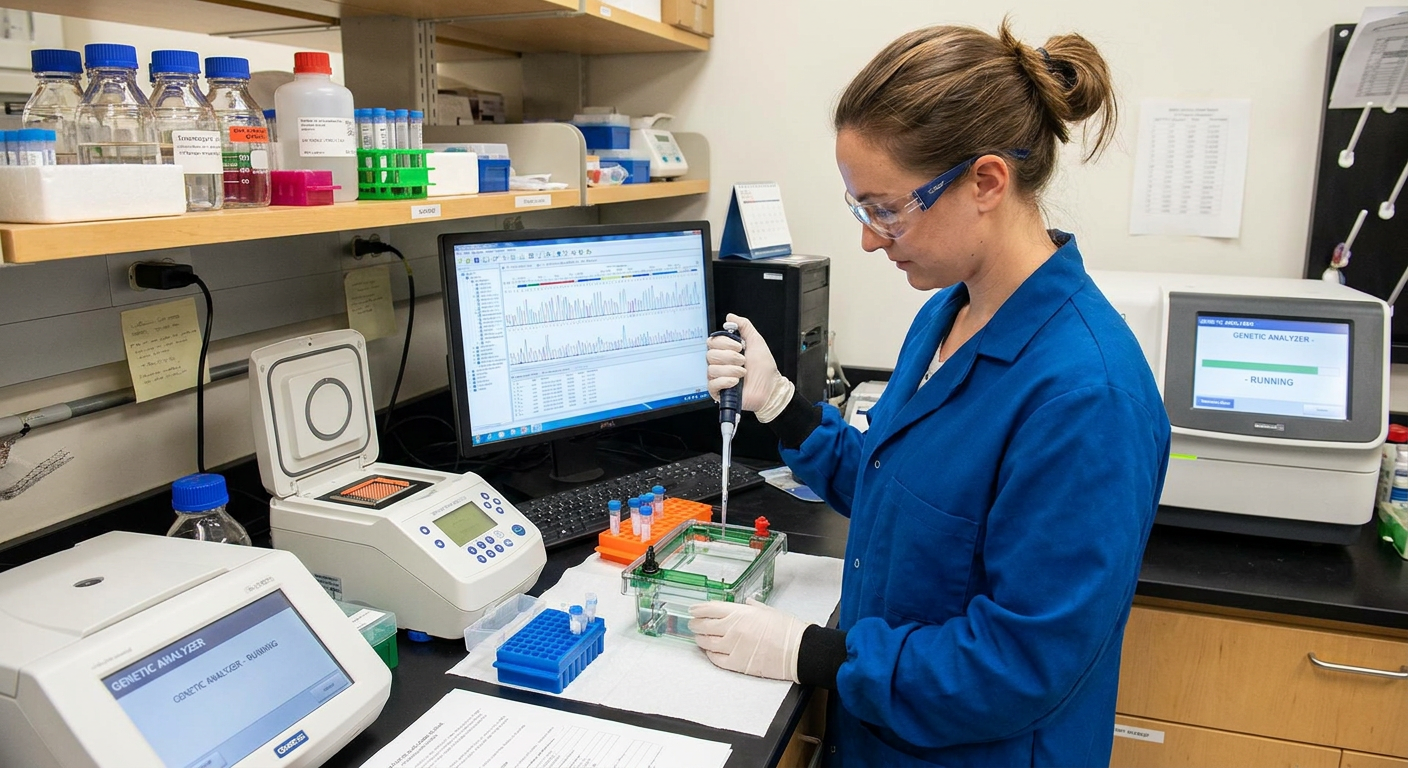
The one-size-fits-all approach to medicine is slowly becoming a thing of the past. Thanks to incredible advancements in medical technology, we are entering the era of personalised medicine. This involves tailoring medical treatment to the individual characteristics of each patient. For instance, through genetic testing, doctors can now predict which medications will be most effective for a person or identify their risk for certain inherited diseases. This field, often called precision diagnostics, allows for earlier and more accurate diagnoses. It means treatments, particularly for complex diseases like cancer, can be targeted directly at the problem, leading to better outcomes and fewer side effects for the patient.
Smarter Ways to Manage Long-Term Illnesses
Chronic diseases like diabetes, hypertension, and heart disease are a major health challenge in Malaysia. The latest healthcare innovation trends are offering new hope for managing these conditions more effectively. The combination of wearable sensors and telehealth platforms creates a powerful system for continuous care. A person with diabetes, for example, can use a device that constantly monitors their blood sugar levels and sends the data to an app. Their doctor or a dedicated care team can review this information remotely, spot worrying trends, and intervene with advice or treatment adjustments before a serious problem develops. This empowers patients to take a more active role in their own health while providing them with constant professional support.
Adapting to a Changing World
The healthcare industry doesn’t exist in a bubble; it is shaped by broader societal changes. In Malaysia, an ageing population means there will be a greater demand for healthcare services, particularly for chronic and age-related conditions. This demographic shift is driving a need for more efficient and accessible care models, like home healthcare and remote monitoring. At the same time, there is a growing awareness of the environmental impact of healthcare. Sustainability is becoming a priority, with hospitals and clinics looking for ways to reduce waste, conserve energy, and adopt greener practices. These long-term healthcare innovation trends are about building a system that is not only effective but also responsible and ready for the future.
In conclusion, the landscape of health and medicine is being reshaped before our very eyes. The journey we’ve explored—from smart wearables and virtual consultations to a focus on preventative, value-driven care—paints a clear picture of the future. The incredible advancements in medical technology are paving the way for personalised medicine, making treatments more precise and effective than ever before. Meanwhile, the industry is adapting to manage chronic diseases better and respond to the needs of a changing population. These shifts are not just trends; they are foundational changes building a more proactive, accessible, and patient-centred healthcare system for every Malaysian. The future of health is about empowering us with the tools and support needed to live longer, healthier lives.