Exploring the Latest Healthcare Trends in Malaysia
Think about the last time you felt unwell. Did you immediately book a trip to the clinic, or did you first reach for your phone? For many of us in Malaysia, the way we manage our health is changing right before our eyes. The conversation is no longer just about curing sickness when it happens; it’s about building a lifestyle that promotes wellness every single day. This shift is reshaping our nation’s approach to health, driven by exciting new developments. In this article, we will explore the key movements making waves across the country, from the digital tools now at our fingertips to a renewed focus on keeping communities healthy from the start. These changes are paving the way for a future where quality healthcare is more accessible and personal for every Malaysian.
Our Health, Now in Our Hands
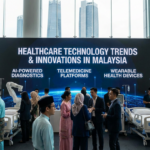
The days of healthcare being confined to the four walls of a clinic or hospital are fading. Today, technology has placed a wealth of health resources directly into our palms. The rise of digital health platforms and telemedicine has been one of the most significant changes, a trend that gained massive momentum in recent years. Many of us experienced this first-hand with apps like MySejahtera, which evolved from a check-in tool to a portal for vaccination appointments and health records. Beyond that, numerous private platforms now allow you to consult with a doctor through a video call, get prescriptions delivered to your doorstep, and monitor chronic conditions from home. This isn’t just about convenience; it’s about empowerment. It gives you more control and involvement in your own health journey.

Bridging the Gap in Healthcare Access
While urban centres in Malaysia enjoy access to world-class medical facilities, ensuring the same level of care reaches rural and remote communities has always been a challenge. Thankfully, dedicated efforts are underway to close this gap. We are seeing innovative approaches being used, such as mobile clinics bringing essential services like health screenings and vaccinations directly to villagers in states like Sabah and Sarawak. Digital health also plays a huge role here, enabling healthcare professionals in smaller clinics to consult with specialists in major cities. These initiatives are crucial components of strengthening the overall Malaysian healthcare system, working towards a future where your postcode does not determine the quality of care you receive.
The Big Shift Towards Staying Well
For a long time, the focus of healthcare was reactive—we waited until we were sick to see a doctor. Now, there is a growing understanding that prevention is truly better than cure. This proactive approach is at the heart of the push for preventive healthcare in Malaysia. We see this in company wellness programmes that encourage healthier lifestyles, community fitness events that get people moving, and the increasing availability of affordable health screening packages. The goal is to catch potential health issues like high blood pressure, diabetes, and high cholesterol early on before they become serious problems. This cultural shift is essential for tackling the rise of non-communicable diseases (NCDs) and building a healthier nation for generations to come.

Stronger Together: Public and Private Sector Teamwork
No single entity can transform a nation’s healthcare alone. One of the most promising trends is the increasing collaboration between the public and private sectors. These partnerships bring together the government’s wide reach and the private sector’s innovation and efficiency. For example, public hospitals may partner with private laboratories to speed up diagnostic testing, or with technology companies to implement new digital management systems. This teamwork is vital for bringing the latest medical advancements and best practices into the public Malaysian healthcare system, ultimately benefiting patients by improving service quality, reducing waiting times, and making specialised care more accessible to everyone.
Conclusion: A Healthier Future for Malaysia
The landscape of healthcare in Malaysia is visibly shifting towards a more connected, accessible, and proactive model. From the convenience of digital consultations to the crucial work of extending care to rural areas, the focus is clearly on the patient. The growing emphasis on teamwork between public and private organisations is helping to accelerate these positive changes. More importantly, the cultural move towards preventive healthcare in Malaysia empowers us all to take an active role in our long-term wellbeing. As we look ahead, these trends point to a future where every Malaysian has the opportunity to lead a healthier life, supported by a system that is not only advanced but also compassionate and inclusive. Staying informed about these developments allows us to make the best decisions for ourselves and our families.