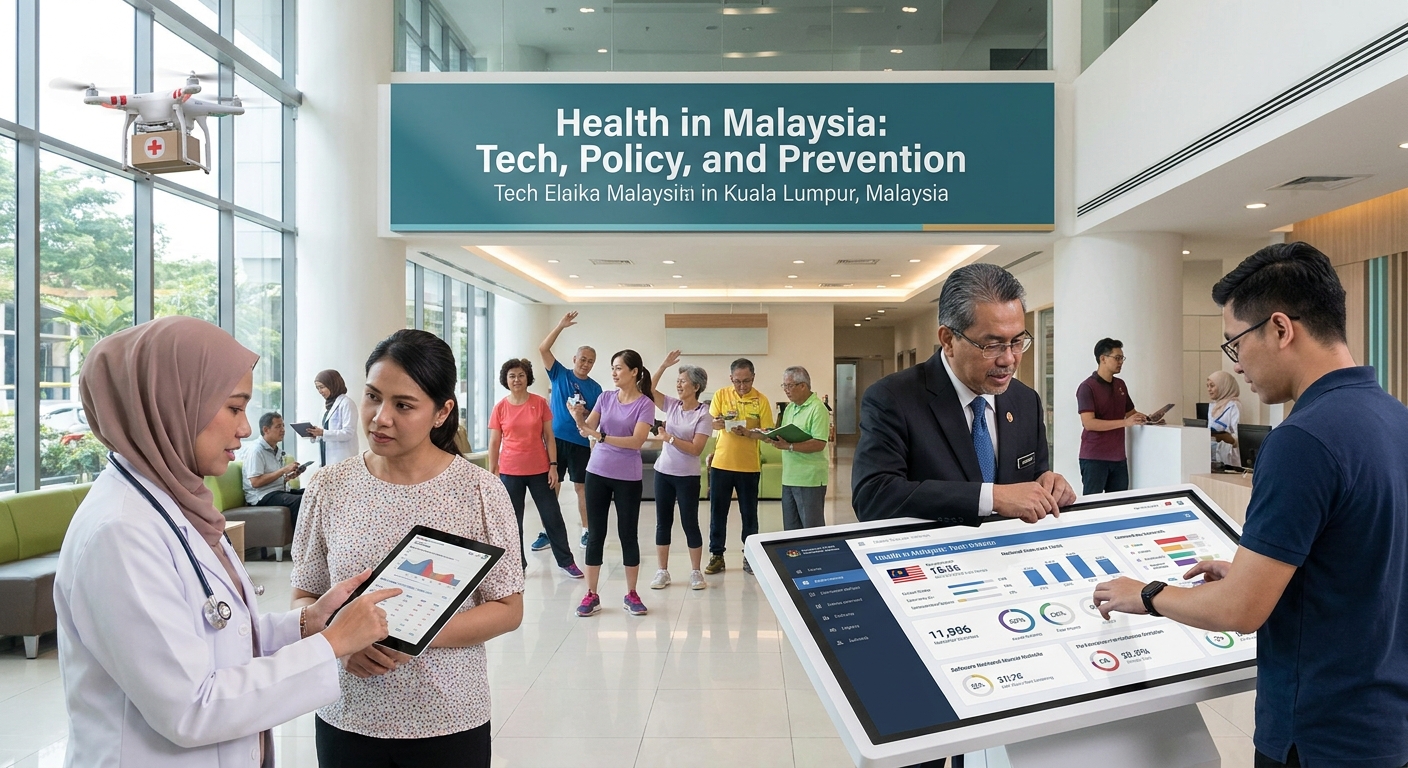
The way we talk about health in Malaysia is changing. For generations, a trip to the clinic was something you did only when you were unwell. Today, the conversation has expanded. We are now more focused on wellness, prevention, and how technology can help us live healthier, longer lives. It is a significant shift, moving from a model of treating sickness to one that champions continuous health. As a company deeply involved in this space, we see the exciting developments happening every day. In this article, we’ll explore the key trends shaping our nation’s health journey, from new government policies and digital innovations to the challenges we must navigate together on the path to a healthier Malaysia for everyone.
A Shift Towards Proactive and Personalised Care
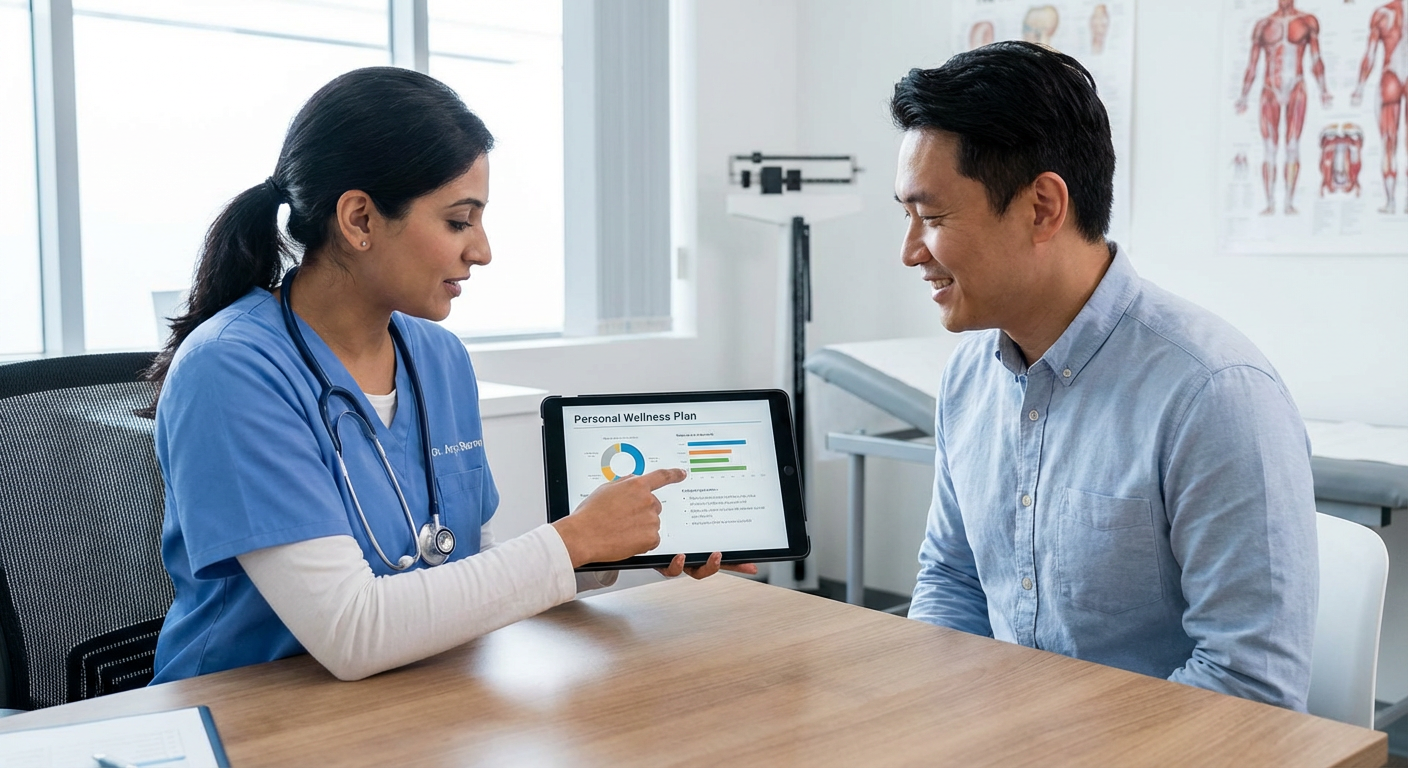
One of the most significant changes we are witnessing is the move away from reactive healthcare. Malaysians are increasingly taking charge of their own wellbeing. Regular health screenings, dietary management, and fitness are no longer niche interests; they are becoming mainstream. This is partly driven by a growing awareness of non-communicable diseases (NCDs) and a desire to manage health risks before they become serious problems. Healthcare providers are responding by offering more personalised wellness packages and preventive health services, especially for our ageing population. It’s a move from a ‘one-size-fits-all’ approach to care that is tailored to an individual’s specific needs and lifestyle, a core part of the evolving Malaysian healthcare industry outlook.
The Digital Doctor Will See You Now
Remember when seeing a doctor always meant traffic, parking, and a long wait? The rise of telehealth is changing that experience for good. Digital health platforms now allow Malaysians, from bustling Kuala Lumpur to more remote areas, to consult with doctors and specialists via video calls. This convenience is a game-changer, saving time and improving access to medical advice. Beyond consultations, we are seeing great progress in the adoption of Electronic Medical Records (EMR). By digitising patient histories, hospitals and clinics can provide safer, more coordinated care. This entire digital ecosystem represents the exciting advancements in Malaysian healthcare technology, making healthcare more efficient and accessible for all.

New Rules for a Healthier Nation
Meaningful change in healthcare requires strong support from a national level, and we are seeing positive steps in this direction. The recently tabled Health White Paper is a landmark initiative that outlines a 15-year plan to reform Malaysia’s health system. The core idea is to shift the focus from hospital-centric, curative care towards strengthening primary healthcare and promoting health in communities. It aims to ensure that every Malaysian, regardless of their location or income, has access to quality healthcare. This long-term strategic plan provides a clear and promising direction, reinforcing a positive Malaysian healthcare industry outlook as we move towards a more equitable and sustainable system.
Bridging Gaps and Seizing Opportunities
While the future looks bright, it is important to acknowledge the challenges that remain. A key issue is the healthcare disparity between urban and rural areas. A person living in the Klang Valley often has far better access to specialists and advanced facilities than someone in rural Sabah or Kelantan. However, this challenge also presents an opportunity. This is where technology can play a crucial role in bridging the gap through telehealth and remote diagnostics. Furthermore, Malaysia’s reputation for high-quality, affordable private healthcare continues to attract international patients, boosting our medical tourism sector. Fostering public-private partnerships will be essential to tackle disparities and capitalise on these growth opportunities.
In conclusion, the healthcare landscape in Malaysia is undergoing a period of incredible transformation. We are moving from a system focused on treating illness to one that champions proactive wellness and prevention. This evolution is being driven by a combination of more health-conscious citizens, groundbreaking digital tools, and forward-thinking government reforms like the Health White Paper. While challenges like the urban-rural care gap persist, they also inspire innovation. We believe that the overall outlook is incredibly positive. Looking ahead, the blend of policy and innovation points towards a more integrated and patient-focused future. These ongoing advancements in Malaysian healthcare technology are not just about convenience; they are fundamental to building a healthier, stronger nation for generations to come.