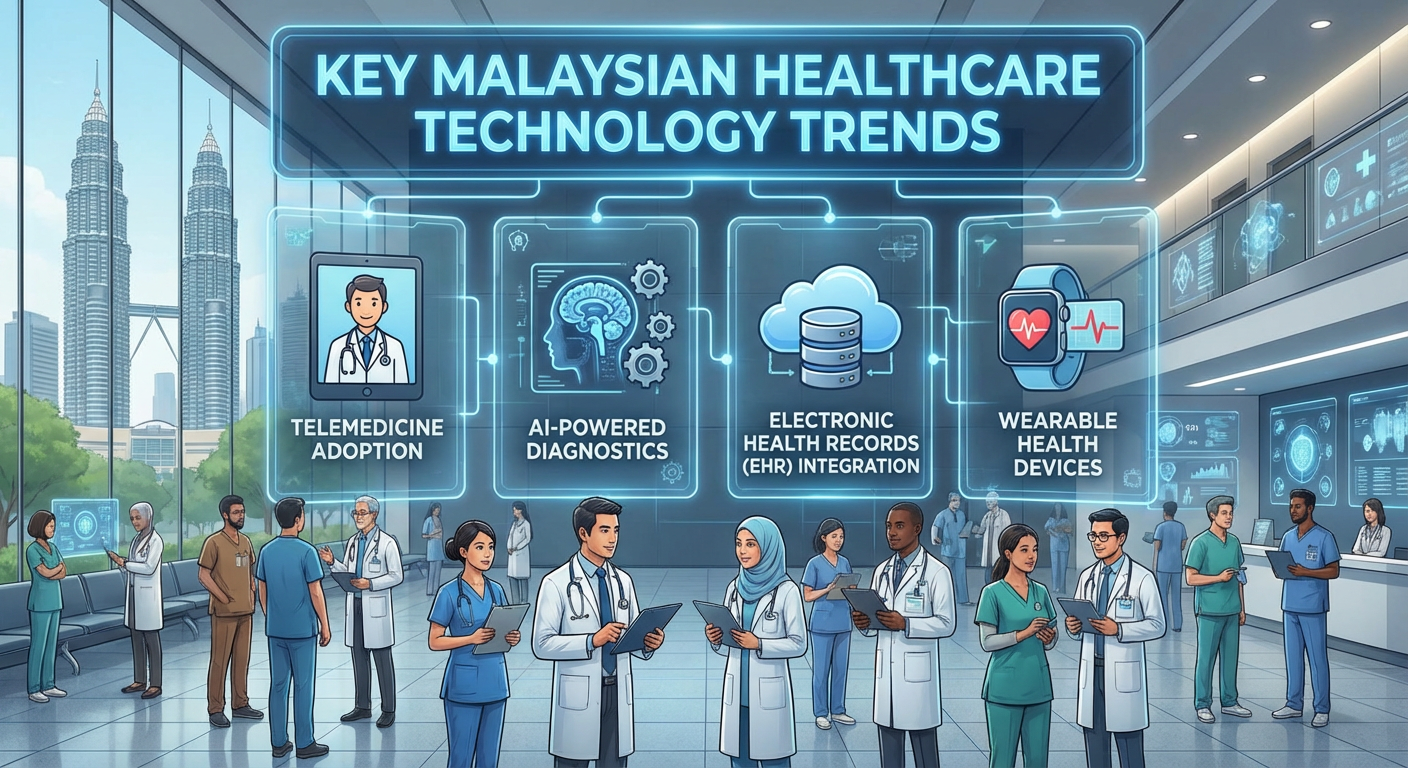
Have you noticed how your relationship with healthcare is changing? It’s no longer just about waiting in line at a clinic. Today, we manage appointments from our phones, consult with doctors over video calls, and use apps to track our wellbeing. This shift isn’t happening by accident; it’s part of a bigger picture where technology and healthcare are coming together in exciting new ways. Here in Malaysia, we are right in the middle of this evolution. In this article, we’ll explore the key Malaysian healthcare technology trends that are reshaping how we access and receive care. We will look at everything from the rise of digital health services to the government’s vision for a healthier nation, all within the dynamic context of our growing region.
The New Drivers of Malaysian Healthcare
Our nation’s healthcare needs are evolving. With a growing and ageing population, and a rise in lifestyle-related conditions like diabetes and heart disease, the old models of care are being stretched. This demographic shift demands a smarter, more efficient, and more accessible healthcare system. Malaysians are also more digitally connected than ever before. We are comfortable using technology for banking, shopping, and communication, so it only makes sense that we expect the same convenience from our healthcare providers. This combination of need and digital readiness is the main force pushing forward a much-needed Malaysian healthcare system transformation. It’s about creating a system that is not just reactive to illness but proactive in promoting wellness.
Digital Health is Now in Your Pocket
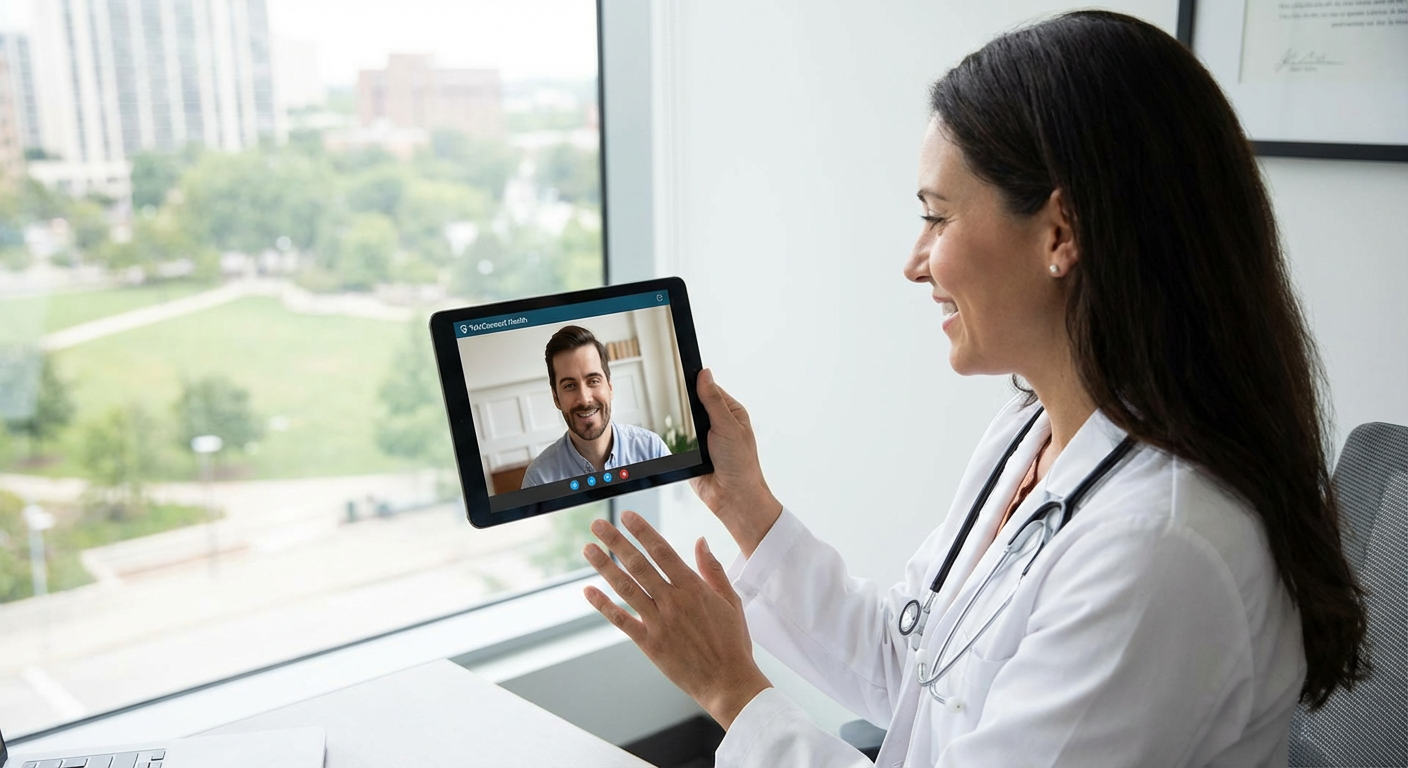
The most visible change for many has been the boom in digital health. Telemedicine platforms have become a familiar part of life, offering consultations for non-emergency issues from the comfort of home. This service proved its worth during the pandemic, but its convenience has ensured it’s here to stay. Beyond video calls, health apps are helping people take control of their own wellness journey. From tracking fitness goals and monitoring blood sugar levels to managing medication schedules, these tools empower individuals to be more involved in their health. This move towards patient-centric care is a cornerstone of the developing Malaysian healthcare technology trends, making healthcare a continuous part of our lives, not just an occasional visit to the doctor.
Smarter Decisions with Artificial Intelligence (AI)
Behind the scenes, even more powerful changes are taking place. Artificial Intelligence and machine learning are slowly being introduced into the Malaysian healthcare sector, bringing huge potential. AI algorithms can analyse medical images like X-rays and MRIs with incredible speed and accuracy, helping doctors detect diseases earlier and more precisely. It can also sift through huge amounts of patient data to identify patterns and predict health risks, allowing for more personalised and preventive treatment plans. While still in its early stages in Malaysia, the integration of AI is set to make our healthcare services not just more efficient, but also more effective in delivering better patient outcomes.

Malaysia’s Role in a Region of Innovation
These developments aren’t happening in isolation. Malaysia is a key player in the wave of Health innovation in Southeast Asia. The entire region is buzzing with energy, with countries learning from each other and collaborating to solve shared healthcare challenges. We are seeing a rise in regional health-tech start-ups attracting investment and bringing fresh ideas to the table. By fostering an environment that encourages research and development, Malaysia is positioning itself as a hub for medical and wellness tourism and a contributor to the region’s overall health security. This spirit of collaboration is speeding up the adoption of new technologies and best practices across borders.
Paving the Way with supportive Policies
For any of this progress to be sustainable, strong leadership and clear direction from the government are essential. The Malaysian Ministry of Health is actively driving the agenda forward with initiatives and digital health blueprints. These policies are designed to create a clear framework for everything from data privacy and security to the standards for new medical devices and digital services. By investing in digital infrastructure and promoting public-private partnerships, the government is laying the groundwork for a truly modern healthcare ecosystem. This strategic push is the final piece of the puzzle in achieving a full-scale Malaysian healthcare system transformation.
In summary, the future of healthcare in Malaysia looks incredibly promising. We are moving away from a traditional, one-size-fits-all approach towards a system that is more personal, accessible, and driven by technology. The key trends we’ve discussed—digital health platforms, the growing use of AI, and our country’s active role in fostering Health innovation in Southeast Asia—are not just buzzwords; they represent a real and positive shift. Of course, challenges remain, particularly in ensuring equitable access and data security for all citizens. However, with continued investment, supportive government policies, and a spirit of innovation, Malaysia is well on its way to building a healthier, more resilient future for everyone. The journey has just begun, and it’s an exciting one to watch.