
Imagine our healthcare system as an intricate machine. For it to run smoothly, every single part, from the simplest bandage to the most complex life-support equipment, must function perfectly and safely. But who guarantees this level of precision and reliability? Behind every successful patient outcome lies a robust framework of quality standards, clear regulations, and dedicated professionals ensuring everything is up to par. This commitment to excellence is becoming more important than ever in Malaysia. This article explores the growing focus on Ensuring Quality and Compliance in Malaysia’s Healthcare Ecosystem. We will look into the key trends, the importance of strong regulatory coordination, and how collaboration between industries and universities is shaping a safer, more efficient healthcare future for all of us.
The Rising Importance of Quality and Standards
The conversation around healthcare in Malaysia is shifting. It’s no longer just about the availability of services, but about the quality of those services. Patients and providers alike are placing a greater emphasis on proven standards and safety. This trend has been accelerated by global events that tested our supply chains and highlighted the need for trustworthy medical products. As a result, there’s a collective drive towards adopting internationally recognised quality benchmarks. This move ensures that the medical devices, pharmaceuticals, and care protocols used in Malaysia are not only effective but also consistently safe, building greater trust within the community and strengthening our healthcare system from the ground up.

Why Solid Quality Assurance Matters
Quality assurance in healthcare is more than just a procedural task; it is the backbone of patient safety. When hospitals, clinics, and manufacturers adhere to strict quality protocols, it directly translates into better patient outcomes, fewer medical errors, and increased public confidence. It also drives efficiency. A system focused on quality from the start minimises waste, reduces the need for corrective actions, and ensures that resources are used effectively. Ultimately, a strong focus on quality assurance means that every ringgit spent on healthcare delivers the maximum possible value, leading to a more sustainable and resilient system for the long term.
Navigating Malaysia’s Regulatory Framework
A clear and coordinated regulatory environment is essential for upholding quality. In Malaysia, several key bodies, led by the Ministry of Health (MOH), work together to create this structure. The Medical Device Authority (MDA) oversees the safety and performance of medical devices, while the National Pharmaceutical Regulatory Agency (NPRA) governs medicines and cosmetics. Effective coordination between these agencies is crucial to ensure there are no gaps in oversight. The challenge lies in keeping our national standards aligned with fast-evolving global regulations. Navigating this landscape successfully is key to effective Regulatory Compliance in Malaysian Healthcare, creating a predictable and safe market for both local and international stakeholders.
Bridging the Gap: Industry and Academia Unite
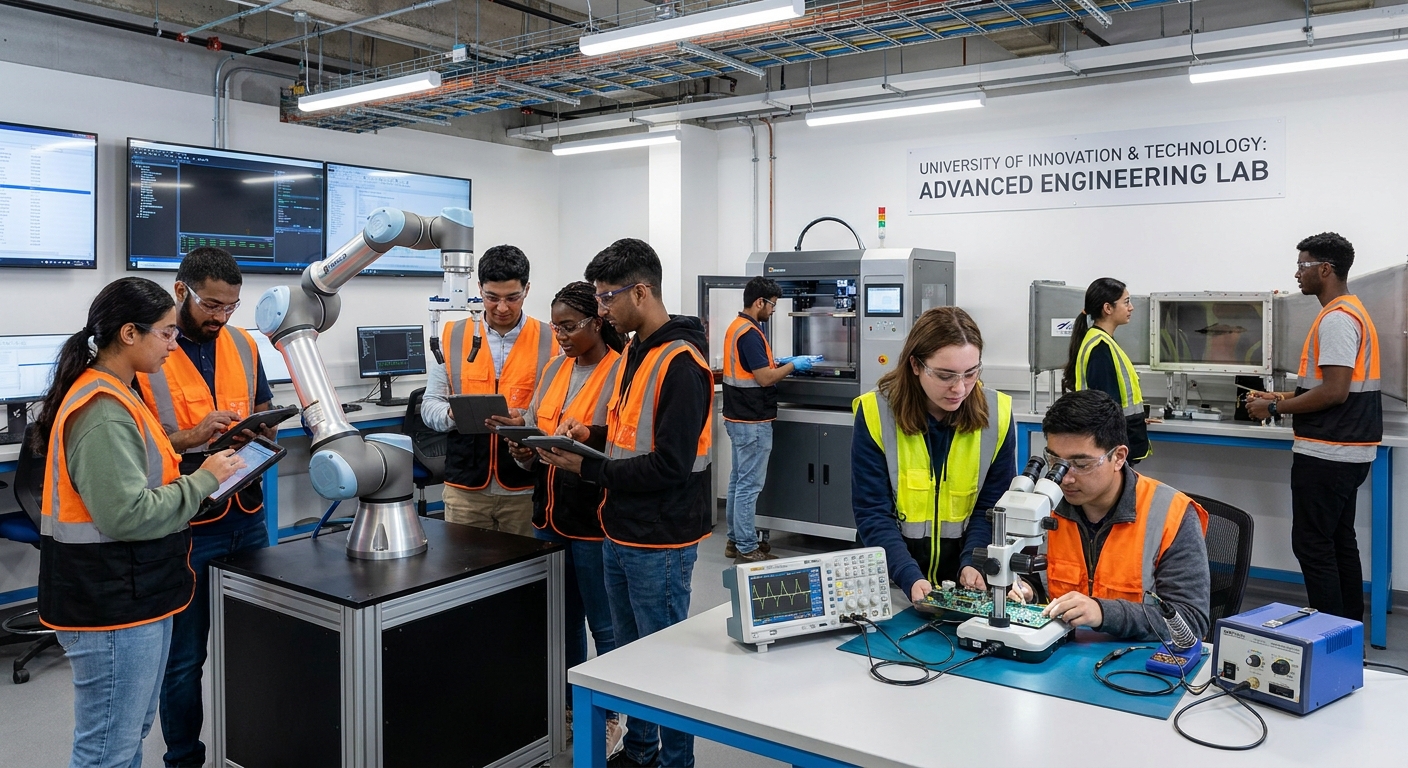
Creating a workforce that is skilled in quality and compliance requires a joint effort. This is where collaboration between industry and academia becomes so powerful. Universities across Malaysia are now working closely with healthcare companies and regulatory bodies to develop specialised programmes. These courses focus on practical skills in areas like medical engineering, quality management systems (such as ISO 13485 for medical devices), and regulatory affairs. By developing targeted training, we are building a talent pipeline of professionals who are ready to meet the industry’s demands. This proactive approach to education is fundamental for improving Healthcare Quality Management across the board.
Building a Stronger Healthcare Ecosystem Together
Strengthening our healthcare ecosystem is a shared responsibility that extends beyond government halls and corporate boardrooms. It involves empowering every healthcare provider, from large hospitals in Kuala Lumpur to small clinics in rural areas, with the knowledge and tools needed for continuous improvement. It also involves engaging the public, educating them on their rights and what to expect from quality care. When everyone from policymakers to patients is aligned on the importance of standards, true progress happens. This collective commitment to Regulatory Compliance in Malaysian Healthcare and best practices in Healthcare Quality Management is what will elevate our system for generations to come.
In summary, the journey towards a world-class healthcare system in Malaysia is paved with a deep commitment to quality and compliance. As we have seen, this is not a simple, single-faceted issue. It requires a dynamic approach that includes a rising focus on standards, a clear understanding of why quality assurance is essential for patient safety, and a well-coordinated regulatory landscape managed by bodies like the MOH and MDA. Furthermore, the powerful synergy between industry and academia is crucial for creating a skilled workforce. By bringing together government, industry, educational institutions, and the public, we are not just meeting standards; we are building a healthcare ecosystem that is resilient, efficient, and worthy of the trust of every Malaysian.