Picture a landscape of healthcare where every decision, from a routine check-up to complex surgery, is underpinned by an unwavering commitment to safety and quality. This isn’t just a hopeful vision; it is the direction Malaysia’s healthcare sector is purposefully heading. As our nation’s medical capabilities grow and patient expectations rise, the framework holding it all together—regulatory compliance—has never been more important. For any clinic, hospital, or healthcare provider, navigating this landscape is no longer optional; it is the very foundation of trust and excellence. In this article, we will explore this evolving environment, highlighting why staying updated is crucial and how organisations can integrate the best healthcare quality standards in Malaysia into their daily operations to ensure they deliver safe, reliable, and high-quality care to every patient.
The Shifting Sands of Malaysian Healthcare
The healthcare industry in Malaysia is experiencing a period of rapid transformation. Driven by government initiatives to improve public health, an increase in medical tourism, and a more informed patient population, the demand for verifiable quality is at an all-time high. The Ministry of Health (Kementerian Kesihatan Malaysia) is actively promoting higher standards across both public and private sectors. This isn’t just about modernising equipment; it’s about formalising processes, ensuring accountability, and aligning our local practices with internationally recognised benchmarks. For healthcare providers, this means that the old ways of operating may no longer be sufficient. Staying compliant is not a single event but a continuous process of adaptation and improvement in response to these powerful industry shifts.

Understanding the Regulatory Framework
At the heart of Malaysia’s healthcare governance is the Private Healthcare Facilities and Services Act 1998 (Act 586) and its accompanying regulations. This legislation sets the baseline for everything from facility licensing and personnel qualifications to the proper handling of patient records. Beyond this legal requirement, organisations like the Malaysian Society for Quality in Health (MSQH) provide accreditation programmes that guide hospitals and healthcare centres towards achieving excellence. These standards are not designed to be restrictive hurdles; they are blueprints for building a safer, more efficient, and patient-centric organisation. Understanding these key regulations is the first and most critical step towards achieving full compliance and demonstrating a commitment to quality.
Navigating Common Compliance Challenges
For many healthcare organisations, the path to compliance can seem filled with obstacles. The two biggest challenges are often cost and knowledge. Implementing a robust quality management system, investing in continuous staff training, and keeping up with regulatory amendments all require significant resources. Furthermore, the sheer volume of information can be overwhelming, making it difficult for busy professionals to know exactly what is required of them. The key to overcoming these challenges lies in a strategic, rather than reactive, approach. This means viewing investment in compliance not as an expense, but as a crucial investment in the organisation’s long-term health and reputation. This mindset is central to successful regulatory compliance for Malaysian healthcare providers.
Building a Lasting Culture of Quality
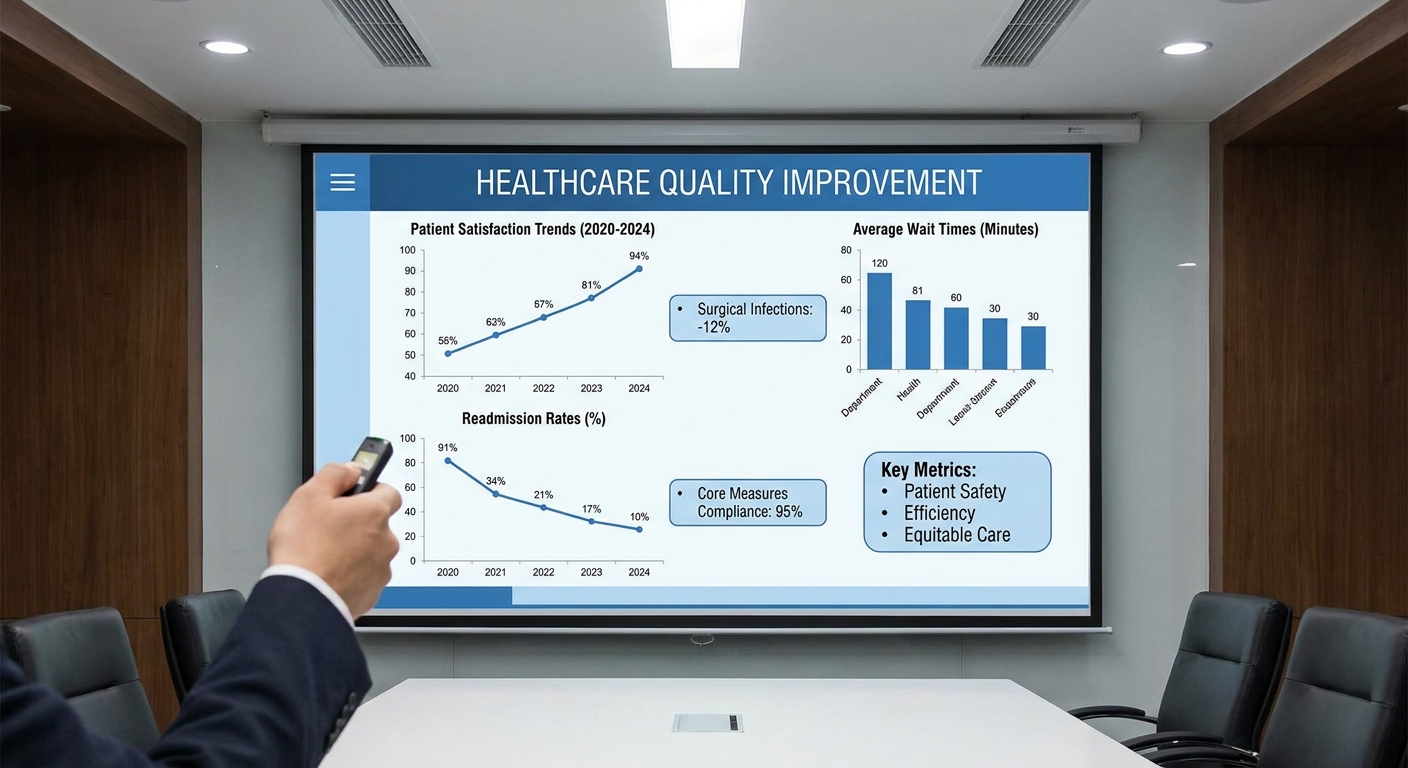
Regulatory compliance shouldn’t be a box-ticking exercise confined to the manager’s office. To be truly effective, it must become part of the organisation’s DNA—a shared ‘culture of quality’. This begins with leadership commitment but must extend to every single member of staff. Regular training sessions are essential to ensure everyone understands not just *what* they need to do, but *why* it is important. Establishing a clear and effective Quality Management System (QMS) provides the structure for this culture. A good QMS helps to standardise procedures, monitor performance, and identify areas for improvement, turning compliance from a periodic scramble into a systematic, everyday practice.
The Real Benefits of Being Compliant
While avoiding penalties is a clear motivator, the true benefits of embracing the highest healthcare quality standards in Malaysia go far deeper. The ultimate beneficiary is the patient. Good compliance directly leads to improved patient safety, reduced medical errors, and better health outcomes. For the organisation, this translates into enhanced credibility and a stronger reputation within the community and among peers. In an increasingly competitive market, a certified and accredited facility stands out as a provider that patients can trust. This trust is the most valuable asset a healthcare organisation can possess, fostering patient loyalty and ensuring sustainable growth for the future. True regulatory compliance for Malaysian healthcare providers is an investment that pays dividends in safety, trust, and excellence.
In conclusion, the journey towards comprehensive regulatory compliance is a defining feature of modern healthcare in Malaysia. It is a path that requires dedication, resources, and a forward-thinking mindset. As we have explored, the landscape is constantly evolving, with government bodies and accreditation organisations working to elevate the quality of care available to all. By understanding the core regulations, strategically navigating the challenges, and fostering an internal culture of quality, healthcare providers can do more than just meet the minimum requirements. They can build resilient, patient-centric organisations that are synonymous with trust and safety. At the end of the day, compliance is not about rules for their own sake; it is about a profound and shared commitment to protecting and improving human life.