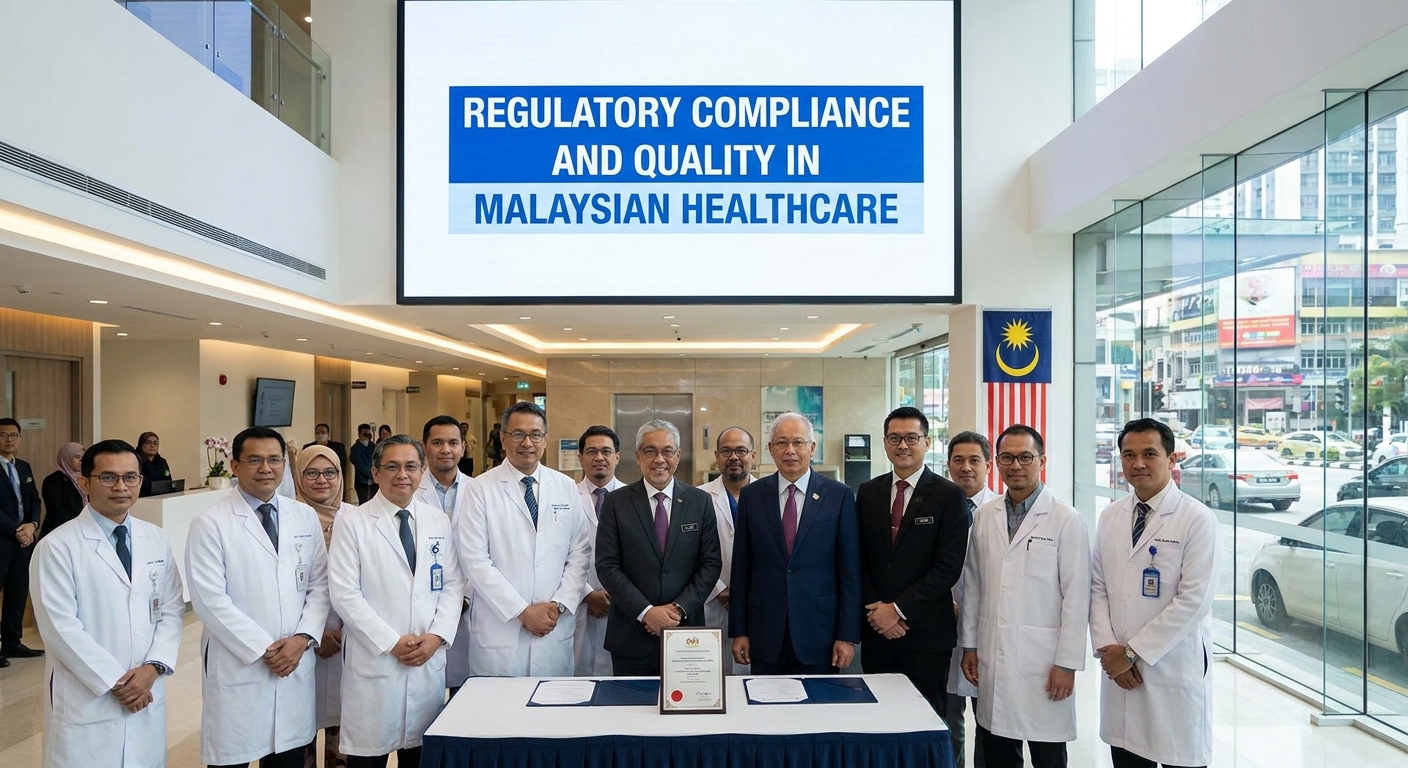
Trust is a fragile thing, especially when it comes to our health. When we walk into a clinic or hospital, we place our well-being into the hands of others, trusting that the care we receive is safe, effective, and of the highest quality. This trust isn’t built by chance; it’s the direct result of a robust framework of standards and regulations working tirelessly behind the scenes. In Malaysia, the focus on this framework is sharper than ever. As our healthcare sector grows and modernises, a collective effort is underway to strengthen these foundations. This article explores the rising importance of regulatory compliance in our nation’s healthcare, delving into key standards like OECD GLP and discussing how we can collectively navigate this landscape to build a healthier future for all Malaysians.
The Quiet Engine of Trust in Malaysian Healthcare
Standards and regulations are more than just bureaucratic necessities; they are the very engine of patient trust and safety. Every procedure, from a simple blood test to the development of a new medicine, is guided by a set of established rules designed to ensure consistency, reliability, and quality. Recent developments across Malaysia show a clear trend towards strengthening this engine. For instance, academic programmes focusing on industrial engineering and quality management at institutions like UTHM Pagoh signal a fundamental shift. We are moving towards a culture where quality is proactively engineered into our healthcare systems from the ground up. This proactive stance is essential for effective healthcare quality management in Malaysia, transforming compliance from a mere checklist into an integral part of our healthcare philosophy.

A Closer Look at Global Standards: OECD GLP in Malaysia
One of the most significant standards making an impact on our healthcare industry is the OECD Good Laboratory Practice (GLP). But what does this mean in simple terms? GLP is a quality system concerned with the organisational process and the conditions under which non-clinical health and environmental safety studies are planned, performed, monitored, recorded, archived, and reported. Essentially, it ensures that the data generated by our laboratories is reliable and trustworthy.
For Malaysia, this is a game-changer. Our nation is a full adherent to the OECD’s Mutual Acceptance of Data (MAD) system, a status monitored by the National Pharmaceutical Regulatory Agency (NPRA). This means that non-clinical safety data generated in Malaysian facilities that comply with OECD GLP is accepted by regulatory authorities in other OECD member countries. This alignment not only streamlines the development and approval process for new pharmaceuticals and medical devices but also positions Malaysia as a competitive and credible player in the global healthcare research arena.
Staying Ahead in a Shifting Regulatory World
While adhering to standards is crucial, the regulatory landscape is constantly evolving. For healthcare providers, practitioners, and organisations, staying current can feel like a significant challenge. It requires a dedicated commitment to continuous learning, staff training, and often, investment in new technologies and processes. The key is to view this not as an obstacle, but as an ongoing journey of improvement. Developing a strong internal culture of compliance, where every team member understands their role in maintaining quality, is far more effective than simply reacting to new rules. This proactive approach helps organisations navigate the complexities of Malaysian healthcare regulatory standards with confidence and agility, ensuring they are always prepared for what comes next.

The Tangible Rewards of Rigorous Compliance
The benefits of embracing the latest regulatory standards extend far beyond simply avoiding penalties. First and foremost, it leads to higher quality care. Standardised processes reduce the risk of errors, improve patient safety, and ensure consistent outcomes. Secondly, clear regulatory pathways can actually spur innovation. When developers of new medicines or technologies have a predictable framework to work within, it encourages investment and accelerates the journey from lab to patient. Ultimately, this all circles back to trust. When the public sees a healthcare system committed to rigorous healthcare quality management in Malaysia, it builds profound confidence, creating a stronger, more resilient relationship between providers and the community they serve.
Building a Healthier Future, Together
In conclusion, the increasing emphasis on regulatory compliance is a sign of a maturing and ambitious Malaysian healthcare sector. It reflects a shared commitment to excellence, safety, and innovation. From understanding global frameworks like OECD GLP to navigating the dynamic local Malaysian healthcare regulatory standards, the journey requires dedication from all stakeholders. However, the rewards are undeniable: a healthcare system that delivers exceptional quality care, fosters groundbreaking innovation, and earns the unwavering trust of its people. By embracing this path, we are not just ticking boxes; we are actively investing in the long-term health and prosperity of our nation. True progress in ensuring quality and compliance in Malaysia’s healthcare industry is a collective responsibility, and it is the foundation upon which we will build a world-class system for generations to come, reinforcing the latest regulatory standards as a cornerstone of our success.