Imagine the deep sense of trust you place in a healthcare professional. This faith is not built on a friendly smile alone; it is forged from the assurance that every diagnosis, treatment, and procedure is backed by rigorous safety standards and a commitment to quality. Across Malaysia, the healthcare landscape is undergoing a significant transformation, with a renewed and powerful focus on industry standards and regulatory compliance. This is not about creating more red tape. Instead, it is a collective drive to safeguard patient wellbeing, enhance the quality of care, and cement our nation’s reputation as a healthcare leader. This article will explore the growing importance of quality and compliance, delve into key regulatory frameworks, and offer practical strategies for healthcare organisations to thrive in this evolving environment.
The Bedrock of Trust: Why Standards Matter More Than Ever
In today’s healthcare world, providing care is only half the story. The real goal is delivering quality-assured care. This is where industry standards play a crucial role. When hospitals, clinics, and laboratories all adhere to a common set of best practices, it creates a consistent and reliable experience for patients, no matter where they are in Malaysia. Standardised procedures are proven to reduce the risk of medical errors, improve treatment outcomes, and build a more efficient healthcare system. Think of it as a shared blueprint for excellence. This foundation of standards is not just a good idea; it is the fundamental reason why regulatory oversight is becoming increasingly important for everyone involved in patient care.

Navigating the Maze of Malaysian Healthcare Regulations
For any healthcare organisation, understanding the regulatory landscape is essential. The system of rules can seem complex, but its purpose is simple: to protect the public. In Malaysia, bodies like the Ministry of Health (MOH) are at the forefront of setting and enforcing these guidelines. Adherence ensures that everything from the physical infrastructure of a clinic to the sterilisation of surgical equipment meets a required safety level. Keeping up with the latest Malaysian healthcare regulations is a continuous process, demanding diligence and a commitment to ongoing education. This proactive approach helps organisations avoid penalties and, more importantly, demonstrates a serious commitment to patient safety, positioning compliance not as a burden, but as a badge of honour.
A Global Benchmark: The Significance of OECD GLP
As Malaysia aims to strengthen its position in the global research and development community, international standards become incredibly important. One such benchmark is Good Laboratory Practice (GLP). In simple terms, GLP is a quality management system for non-clinical research laboratories that conduct safety studies on things like new medicines and medical devices. For our nation, achieving OECD GLP compliance in Malaysia is more than just a local achievement. It acts as a passport, ensuring that the research data generated in our labs is accepted by regulatory authorities in other countries. This opens up immense opportunities for international collaboration, attracts investment in our life sciences sector, and ultimately speeds up the process of bringing safe, effective new treatments to the public.

From Compliance to Confidence: Building Lasting Patient Trust
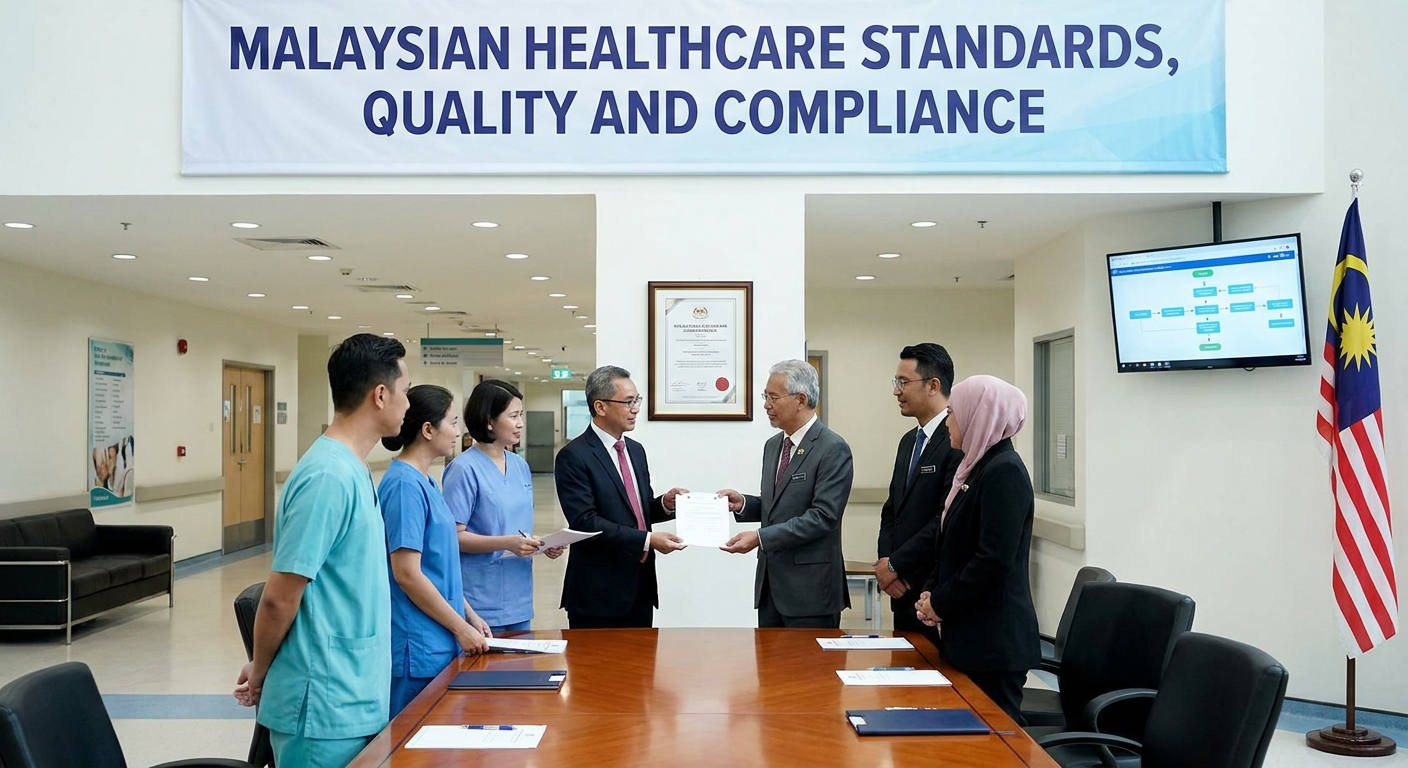
Let’s look at this from the patient’s perspective. When a person is unwell or seeking medical advice, they are in a vulnerable position. They need to feel confident that they are in safe hands. Visible signs of compliance, such as certifications displayed in a waiting room or clear, standardised procedures explained by staff, go a long way in building this trust. When a patient chooses a hospital, they are choosing an organisation they can rely on. A strong track record of compliance is one of the most powerful ways to provide that assurance. This trust is not just a feel-good metric; it directly translates into a stronger reputation, patient loyalty, and the long-term success and sustainability of the healthcare organisation.
Practical Steps for Staying Ahead of the Curve
Navigating the compliance landscape requires a proactive and strategic approach. It is not something that can be left to chance. At our organisation, we believe in embedding compliance into our daily operations. Here are a few key strategies that any healthcare provider can adopt:
- Continuous Staff Training: Regularly update your team on the latest changes to Malaysian healthcare regulations to ensure everyone is informed and competent.
- Conduct Internal Audits: Don’t wait for an official inspection. Proactively reviewing your own processes helps identify and fix potential gaps before they become problems.
- Invest in Modern Technology: Use specialised software to manage records, track compliance metrics, and ensure data integrity and security.
- Seek Expert Guidance: For complex areas, partner with consultants who specialise in specific frameworks. Getting expert help with OECD GLP compliance in Malaysia, for example, can streamline the process and prevent costly errors.
In conclusion, the heightened focus on quality and compliance is one of the most positive and defining trends in the Malaysian healthcare sector today. It signals a move towards a more mature, reliable, and globally competitive industry. Embracing comprehensive standards and diligently adhering to regulations is not merely about following rules; it is a fundamental investment in patient safety and public trust. For healthcare providers, this commitment is what separates the good from the great. By working together to uphold these high standards, from the research lab to the patient’s bedside, we can collectively build a healthier, safer future for all Malaysians and ensure the trust placed in our healthcare system is strengthened for generations to come.