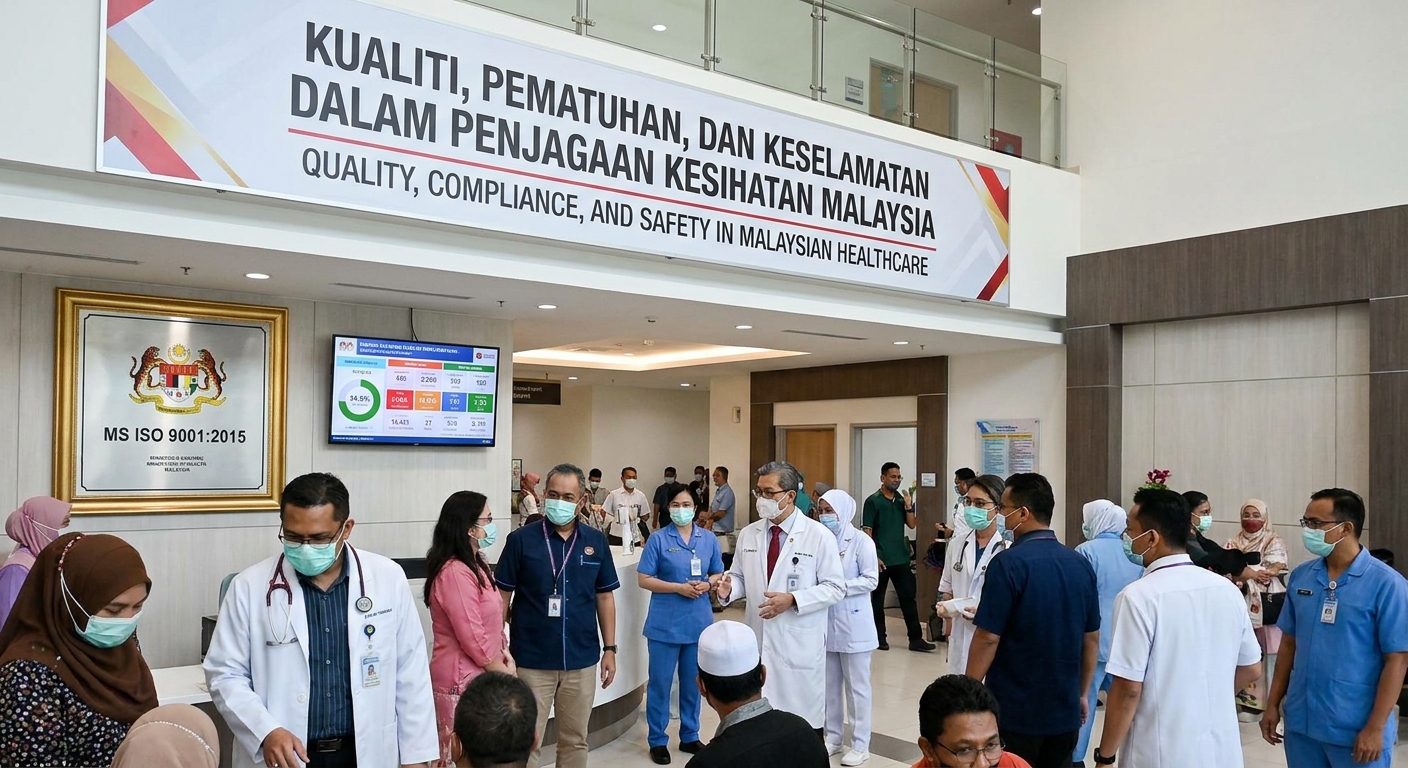
Beyond the prescription and a doctor’s reassuring words lies an intricate framework that quietly protects every patient in Malaysia. It is a system built not of bricks and mortar, but of rules, guidelines, and shared commitments. As our nation’s healthcare sector advances, this behind-the-scenes work on standards and compliance has become more important than ever. It’s the invisible shield that ensures quality, safety, and trust. This commitment to a higher standard is what separates good healthcare from great healthcare. In this article, we will explore the essential role of these standards, discuss the importance of regulatory compliance, and highlight the very real benefits they bring to healthcare providers and, most importantly, to the Malaysian public they serve.
Setting the Standard for Excellence in Healthcare
Think of healthcare standards as a detailed blueprint for providing the best possible care. They are not just arbitrary rules but carefully developed guidelines that cover everything from hospital cleanliness and equipment maintenance to patient communication protocols. In Malaysia, organisations like the Malaysian Society for Quality in Health (MSQH) play a key role by providing accreditation frameworks that hospitals and clinics can follow. Achieving this accreditation is a sign that a facility is committed to a nationally recognised level of quality. These standards ensure that whether you visit a clinic in Kuala Lumpur or a hospital in Sabah, you receive a consistent and safe level of care. They are the foundation upon which reliable healthcare services are built.

The Role of Compliance in Ensuring Patient Safety
If standards are the blueprint, then compliance is the act of meticulously following that blueprint every single day. It means that healthcare organisations actively adhere to the regulations set by governing bodies like the Ministry of Health (MOH) and the Medical Device Authority (MDA). For example, the MDA ensures that every piece of medical equipment, from a simple thermometer to a complex MRI machine, is approved, safe, and works as intended. This strict oversight prevents substandard products from entering the market and putting patients at risk. Effective regulatory coordination in Malaysian healthcare is essential, ensuring that all these different bodies work in harmony. This collaborative approach creates a comprehensive safety net, protecting patients at every stage of their healthcare journey.
A Commitment to Continuous Improvement
Adhering to standards is not a one-off task to be checked off a list. True excellence is achieved through an ongoing dedication to getting better. This is where a strong culture of healthcare quality management in Malaysia comes into play. It involves a continuous cycle of planning, implementing, checking, and improving processes. For instance, a hospital might regularly collect patient feedback to identify areas for improvement, such as reducing wait times or making the discharge process smoother. It also includes ongoing training for staff to keep them updated on the latest procedures and safety protocols. This commitment to continuous improvement turns good practices into great habits, directly enhancing the quality and safety of patient care.

The Tangible Benefits for Patients and Providers
When healthcare providers embrace standards and compliance, the positive effects are felt by everyone. The most significant benefit is, of course, for the patients themselves. This dedication leads to better health outcomes, fewer medical errors, and a safer overall experience. But the advantages extend to the providers as well. Following clear, established processes brings a host of benefits:
- Improved patient outcomes: Standardised care pathways mean treatments are more consistent and effective, leading to faster recovery and better long-term health.
- Enhanced operational efficiency: Clear guidelines reduce waste, prevent duplication of effort, and streamline workflows. This allows doctors, nurses, and support staff to focus their time and energy where it matters most: on the patients.
- Maintaining public trust: A healthcare system that is visibly committed to quality and safety earns the confidence of the public. This trust is the cornerstone of a strong patient-provider relationship.
Ultimately, robust healthcare quality management in Malaysia is what drives these positive changes, creating a system that is not only effective but also deeply trusted.
Adapting to New Challenges and Technologies
The world of healthcare is constantly changing. The rise of telemedicine, the use of artificial intelligence in diagnostics, and the development of new medical technologies all present new opportunities and challenges. Our regulatory frameworks must be agile enough to adapt. This is where strong regulatory coordination in Malaysian healthcare becomes even more critical. As new innovations emerge, our governing bodies must work together to develop new standards that ensure these technologies are used safely and effectively. By staying ahead of the curve, we can embrace innovation while continuing to prioritise patient safety above all else, securing a healthier future for our nation.
In summary, the focus on standards and compliance is far more than just administrative work. It is the very heart of a modern, trustworthy, and effective healthcare system. From the detailed blueprints for care set by accreditation bodies to the daily act of compliance by every healthcare worker, these efforts create a powerful ecosystem of safety and quality. The benefits are clear: improved patient outcomes, more efficient operations, and, crucially, a deep sense of public trust. As we move forward, it is essential for healthcare organisations and professionals across Malaysia to not just meet these standards, but to champion them. By embracing this culture of continuous improvement, we collectively build a healthier, safer future for all Malaysians.