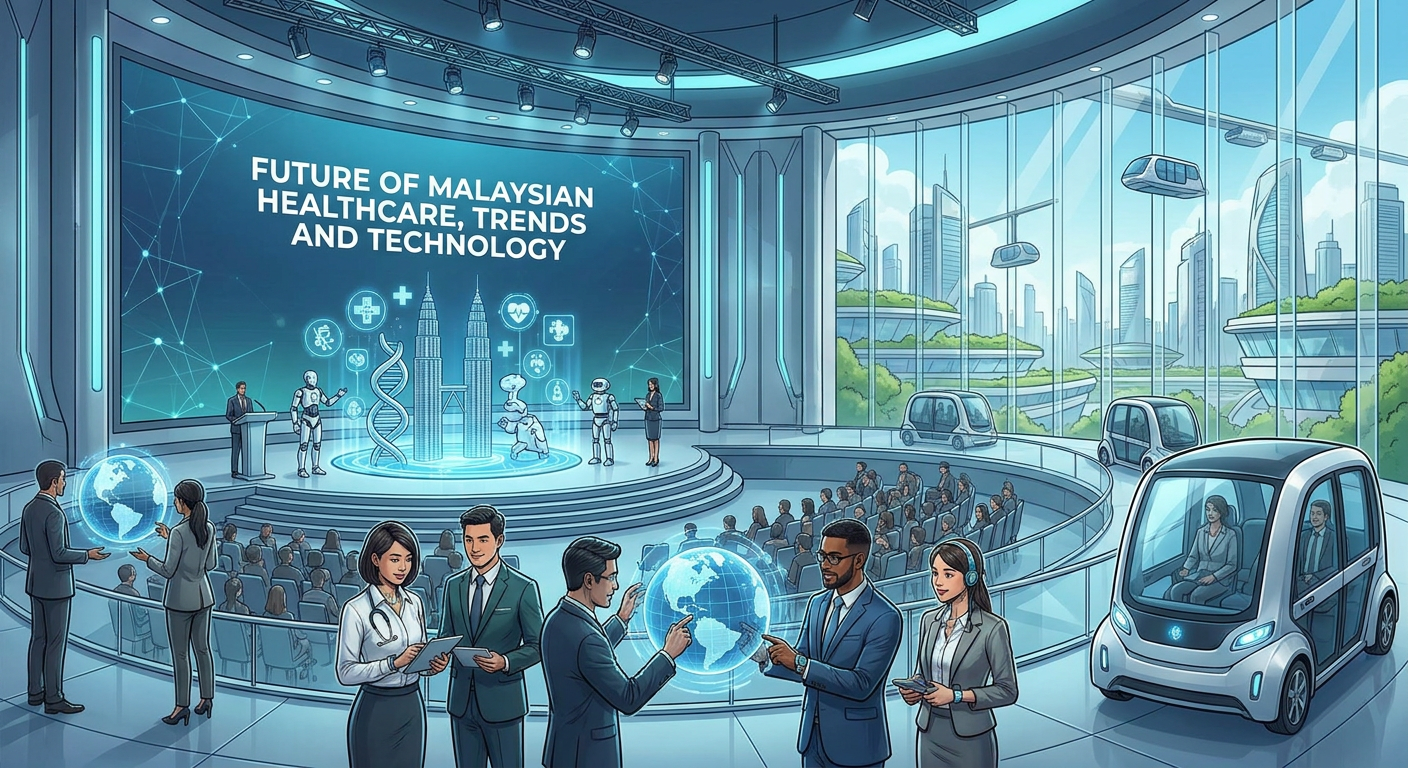
Navigating the sea of online information can feel like a quest in itself. You search for one thing, and the internet gives you something completely different. We recently experienced this firsthand while looking into the future of health in our nation; the results were more about technical standards than actual patient care. It highlighted a crucial point: finding clear, relevant insights requires cutting through the noise. That’s precisely our goal today. We’ve done the deep dive to bring you a focused look at the real shifts happening across our healthcare landscape. This article will explore the key developments shaping how we manage our health, from the technology in our hospitals to the new ways we connect with doctors, providing a clear picture of the exciting future ahead for wellness in Malaysia.
The Digital Transformation of Patient Records
For years, the thought of visiting a new clinic often came with the hassle of recounting your entire medical history. Thankfully, this is becoming a thing of the past. A significant push towards digitalisation is underway, with hospitals and clinics across Malaysia adopting Electronic Medical Records (EMRs). This move means your health information—from past diagnoses to allergies and prescriptions—is stored securely in one digital file. For doctors, this provides a complete and instant overview of your health, leading to safer and more effective treatment decisions. For you, the patient, it means seamless care, whether you are visiting your local GP or a specialist in another state. This foundational change is central to the wider Malaysian healthcare industry trends we are witnessing.

Telehealth: Your Doctor, Now Just a Click Away
The pandemic accelerated a trend that was already quietly growing: telehealth. The ability to consult with a doctor from the comfort of our homes has moved from a novelty to a mainstream service. This isn’t just about convenience; it is about accessibility. For those in rural areas, an elderly person with mobility issues, or even a busy parent with a sick child, virtual consultations have been a game-changer. These platforms offer services ranging from general health advice and prescription renewals to mental health support and follow-up appointments. As internet access improves and more people become comfortable with digital tools, telehealth is set to become an even more integrated part of our daily healthcare routine.
A National Shift Towards Prevention Over Cure
For a long time, healthcare has been largely reactive—we visit a doctor when we feel sick. However, a crucial evolution is taking place. There is a growing emphasis on preventive care, focusing on keeping people healthy in the first place. This proactive approach is one of the most important Malaysian healthcare industry trends because it aims to tackle non-communicable diseases like diabetes, heart disease, and hypertension before they become critical. We are seeing this through:
- Corporate Wellness Programmes: Companies are increasingly investing in the health of their employees with regular health screenings and wellness talks.
- Public Health Campaigns: Government and private initiatives are actively promoting healthier lifestyles, nutrition, and regular exercise.
- Personal Health-Tracking: The rise of smartwatches and health apps encourages individuals to monitor their own activity levels, sleep patterns, and other health metrics.
The Rise of Personalised and Precise Medicine
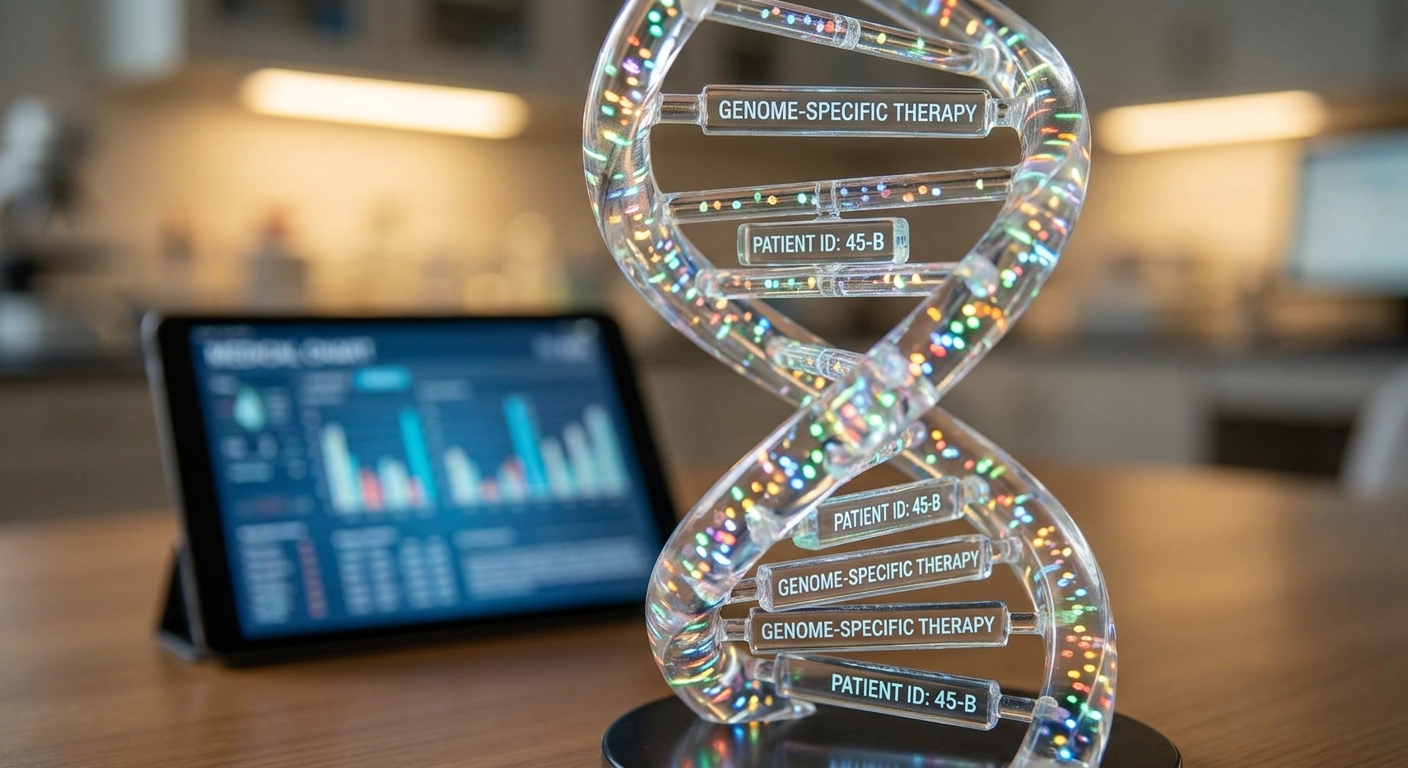
Imagine a treatment designed specifically for your unique genetic makeup, lifestyle, and environment. This is the promise of personalised medicine, one of the most exciting Emerging healthcare technologies in Malaysia. Instead of a one-size-fits-all approach, doctors can use genetic information to predict which diseases you are at risk for, which medications will work best for you, and what dosage is most effective and safe. While still in its early stages in Malaysia, specialist centres are beginning to offer genetic testing to guide cancer treatments and prescribe medications more accurately. This leads to better outcomes, fewer side effects, and a more efficient use of healthcare resources, marking a true leap towards the future of medicine.
Malaysia as a Premier Medical Tourism Hub
Our country has long been celebrated for its world-class hospitality, and now, that reputation extends to our healthcare sector. Malaysia is rapidly solidifying its position as a leading destination for medical tourism. Patients from around the world are drawn here by the combination of high-quality medical expertise, modern facilities, and significantly more affordable costs compared to their home countries. The fields of cardiology, oncology, fertility treatments, and cosmetic surgery are particularly popular. The integration of Emerging healthcare technologies in Malaysia further boosts this appeal, as international patients can access advanced treatments and diagnostics. This influx not only contributes to our economy but also drives our local healthcare providers to maintain the highest international standards.
From the digital tools in our pockets to the advanced science in our labs, the way we experience healthcare in Malaysia is undergoing a profound transformation. The trends we’ve explored—digitalisation, the convenience of telehealth, a strong national pivot to preventive health, the dawn of personalised medicine, and our growing status as a medical tourism destination—are not just abstract concepts. They represent tangible shifts creating a more accessible, efficient, and patient-focused system for all of us. As technology continues to evolve and our understanding of health deepens, embracing these changes is key. The future of healthcare is not just about treating illness anymore; it is about empowering each of us to live longer, healthier lives, supported by a system that is smarter and more connected than ever before.