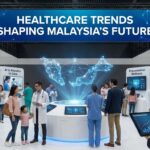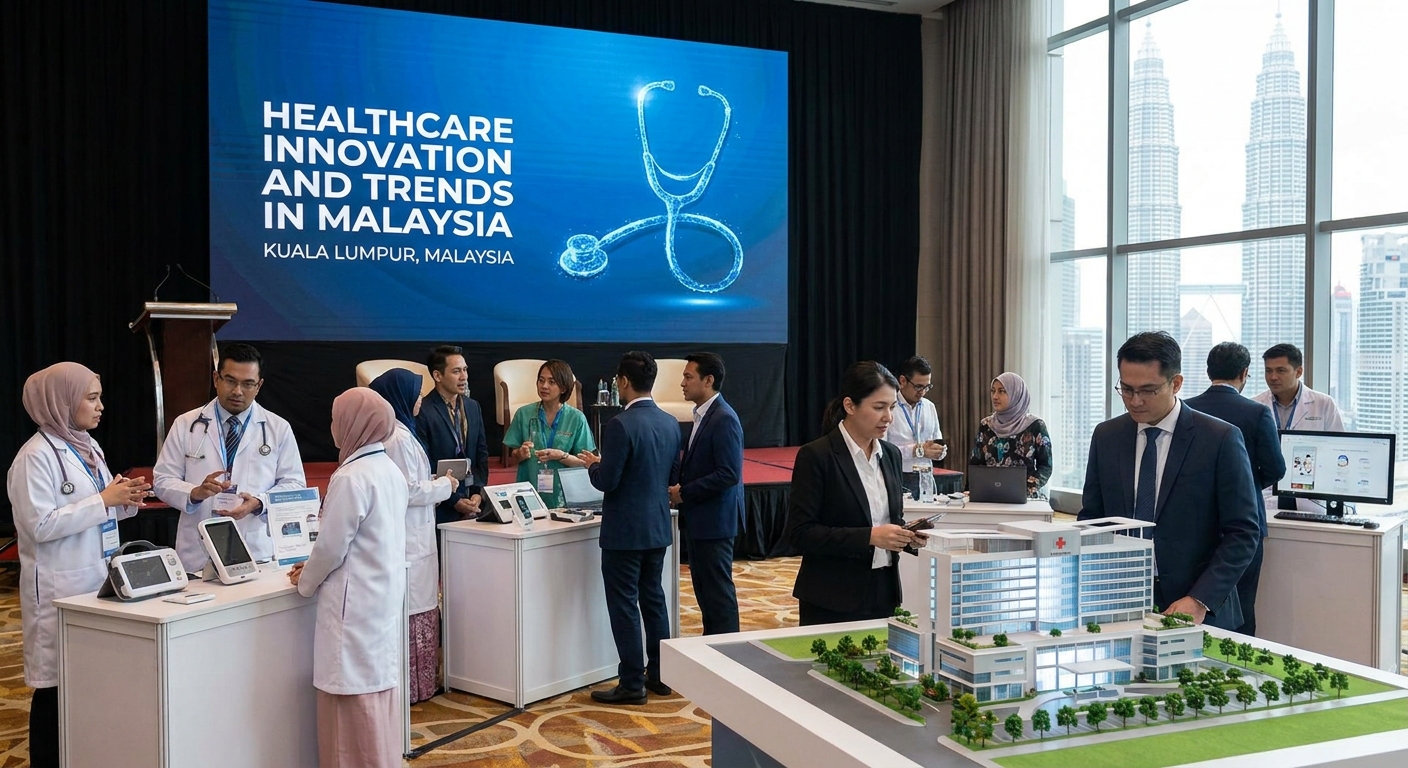
Have you noticed how conversations about health have changed? It is no longer just about queuing at the clinic when we feel unwell. Today, our discussions are filled with health apps, online consultations, and a genuine curiosity about staying well, not just getting better. This shift is happening right here in our country, reshaping our entire approach to personal well-being. At our core, we believe in empowering Malaysians with knowledge. That is why we are taking a closer look at the significant changes and forms of healthcare innovation Malaysia is currently experiencing. From the digital tools on our smartphones to new ways of thinking about long-term health, we will explore the exciting healthcare trends Malaysia that are defining our future.
The Evolving Malaysian Healthcare Scene
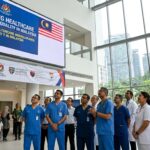
Malaysia has long been recognised for its robust healthcare system, a two-part structure of government-funded public facilities and a dynamic private sector. This combination has served our nation well, providing accessible care to millions. However, the expectations of the public are changing. We now seek more convenience, personalisation, and control over our health journey. The system is responding to this demand, evolving from a traditional model focused on treatment to one that embraces technology and proactive wellness. This evolution is crucial as we navigate the health challenges of the 21st century, setting the stage for a smarter and more responsive healthcare environment for everyone in Malaysia.
Digital Health is Here to Stay
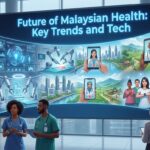
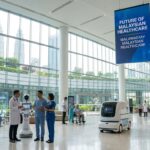
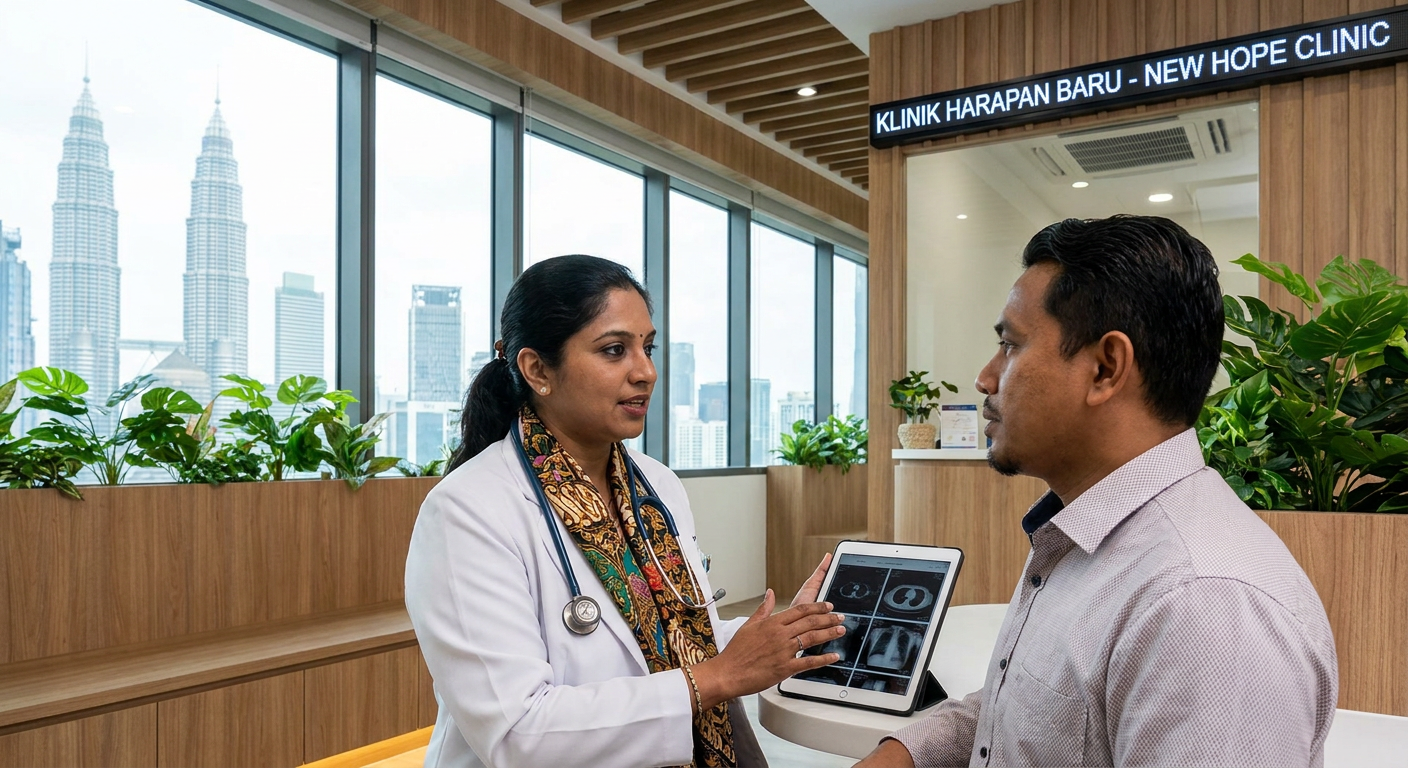
One of the most visible changes is the rapid adoption of digital health services. The days of travelling and waiting for a simple consultation are fading for many. Telemedicine platforms now allow us to connect with doctors and specialists from the comfort of our homes, whether we are in a bustling city like Kuala Lumpur or a quieter town in another state. This has been a game-changer for improving healthcare access in rural communities. These services are more than just a convenience; they represent some of the latest medical innovations in Malaysia, offering everything from e-prescriptions to mental health support through secure mobile apps. It is a powerful example of using technology to make healthcare more efficient and patient-centred.
A National Shift Towards Preventive Care
There is a growing understanding that the best way to manage health is to prevent illness in the first place. This proactive mindset is a cornerstone of modern healthcare. We see this in the rise of corporate wellness programmes that encourage healthier employee lifestyles and government campaigns promoting balanced diets and regular exercise. This focus on prevention is a key component of building sustainable healthcare practices Malaysia can depend on for the future. By reducing the incidence of chronic diseases like diabetes and hypertension, we not only improve national well-being but also ease the long-term strain on our hospitals and clinics. It is a smart, forward-thinking strategy for a healthier nation.
Innovations in Medical Treatments
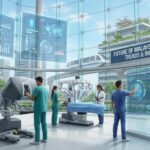
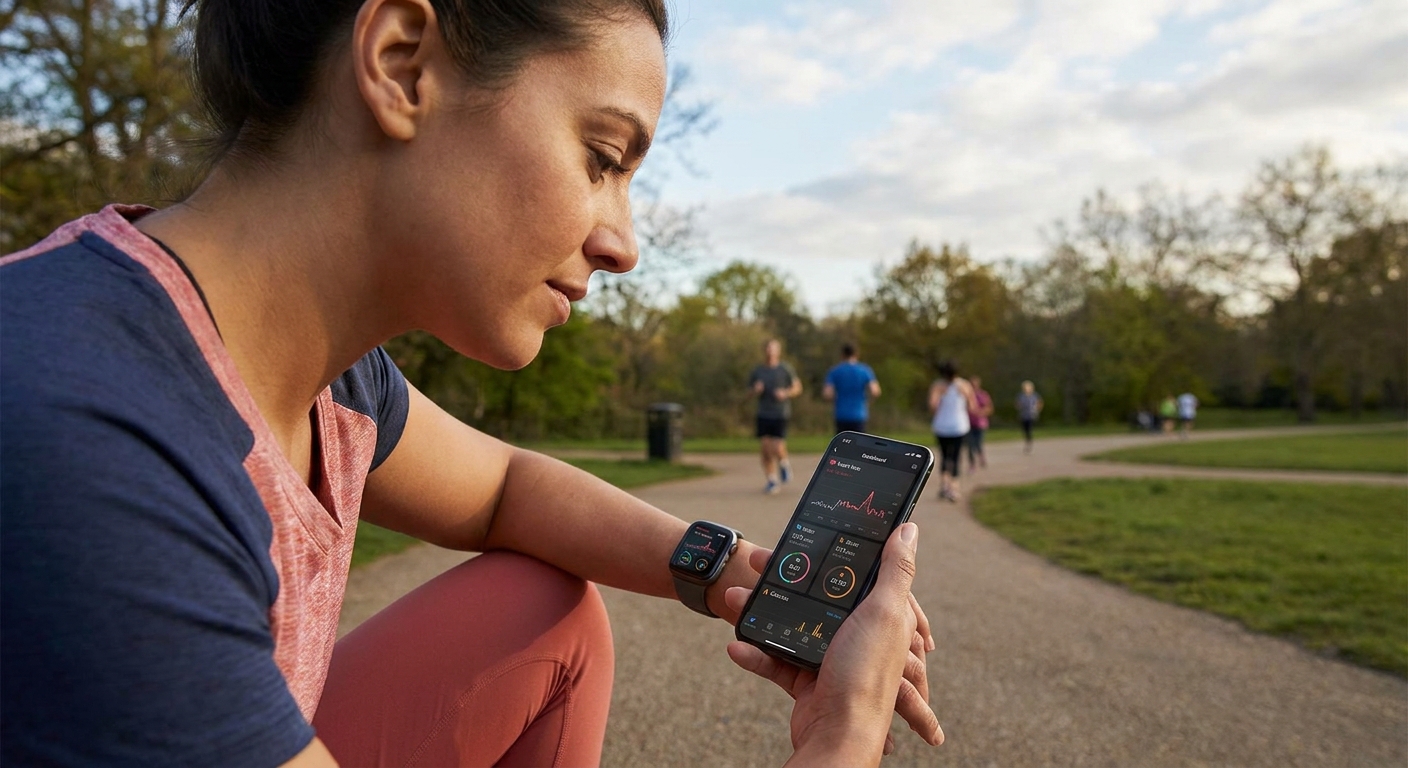
Beyond digital tools, the field of medical treatment itself is advancing at an incredible pace. Malaysian medical centres are increasingly adopting sophisticated technologies and approaches to care. We are seeing remarkable progress in areas like precision medicine, where treatments can be tailored to a person’s unique genetic profile, making them more effective. This is particularly promising for complex diseases like cancer. These advancements are not just happening elsewhere; they are part of the latest medical innovations in Malaysia. By investing in modern equipment and specialised training, our healthcare professionals are offering world-class care right here at home, providing new hope for patients and their families and strengthening our position as a hub for healthcare innovation Malaysia.
Meeting Future Challenges Head-On
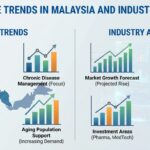
As we embrace these positive trends, we must also acknowledge the challenges on the horizon. Malaysia, like many developed nations, is facing an ageing population, which will increase the demand for geriatric and long-term care services. Furthermore, ensuring that every citizen, from Perlis to Sabah, has equal access to these new technologies and high-quality care remains a primary goal. Balancing the cost of advanced medical care with affordability is another critical task. Addressing these issues thoughtfully is essential for creating a fair and resilient health system. Focusing on sustainable healthcare practices Malaysia can be proud of will be crucial in ensuring our system remains robust and equitable for generations to come.
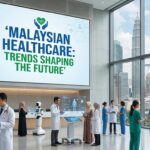
To conclude, it is clear that the landscape of health in Malaysia is undergoing a profound and exciting transformation. We have moved beyond the traditional clinic-centric model towards a more integrated, digital, and preventative approach. From the convenience of telemedicine to the promise of personalised medicine, these developments are empowering us all to take a more active role in our own well-being. While challenges such as our ageing population and the need for equitable access remain, the direction is incredibly positive. By staying informed and embracing these changes, we can collectively contribute to a healthier future. The current healthcare trends Malaysia is witnessing are not just temporary shifts; they are the building blocks of a stronger, more resilient healthcare system for all Malaysians.