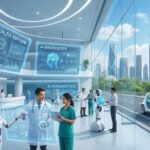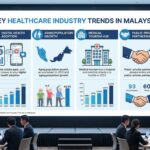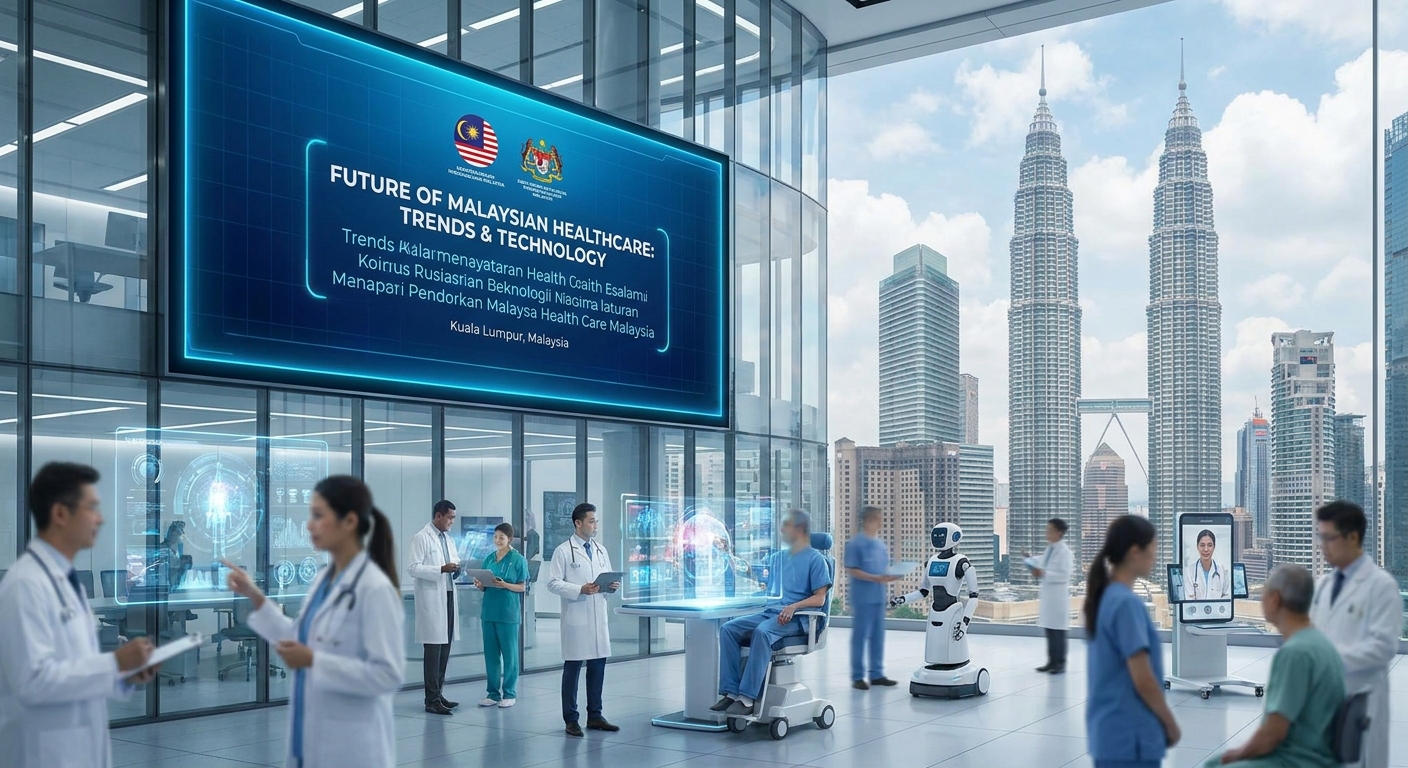
The familiar routine of taking a day off work, travelling to a clinic, and waiting in line for a consultation is slowly becoming a thing of the past for many in Malaysia. Our relationship with healthcare is changing right before our eyes. It is moving away from simply reacting to illness and towards a more hands-on, technology-assisted approach to staying well. This shift is not just about convenience; it is a fundamental change in how we manage our health. Here, we will explore some of the key developments shaping the future of wellness in the country. From virtual doctor visits on your phone to healthcare plans designed just for you, the landscape is evolving, and it is important for all of us to understand these new directions.
The Rise of Digital Health Services
Not long ago, the idea of consulting a doctor through a video call seemed like something from a science fiction film. Today, it is a reality for thousands of Malaysians. The COVID-19 pandemic certainly sped up the adoption of telemedicine, but its convenience has ensured it is here to stay. Platforms offering online consultations, e-prescriptions, and medicine delivery have made healthcare more accessible than ever. This is especially helpful for people living in more remote areas of Sabah and Sarawak, or for elderly patients who find travelling difficult. This move online also includes the digitisation of health records, allowing for smoother information sharing between different doctors and hospitals, leading to better-coordinated care for patients.

A New Focus on Prevention, Not Just Cure
There is a growing understanding that the best way to deal with sickness is to prevent it from happening in the first place. This proactive mindset is a major part of the current Malaysian healthcare industry trends. We see this in the increasing popularity of fitness trackers and smartwatches that monitor everything from our daily steps to our sleep patterns. Companies are also playing their part by introducing corporate wellness programmes that encourage employees to lead healthier lifestyles through gym memberships, health screenings, and mental health support. The government is also promoting this shift, with national campaigns aimed at reducing obesity, diabetes, and heart disease through better diet and regular exercise.
Personalised Medicine: A Glimpse into the Future
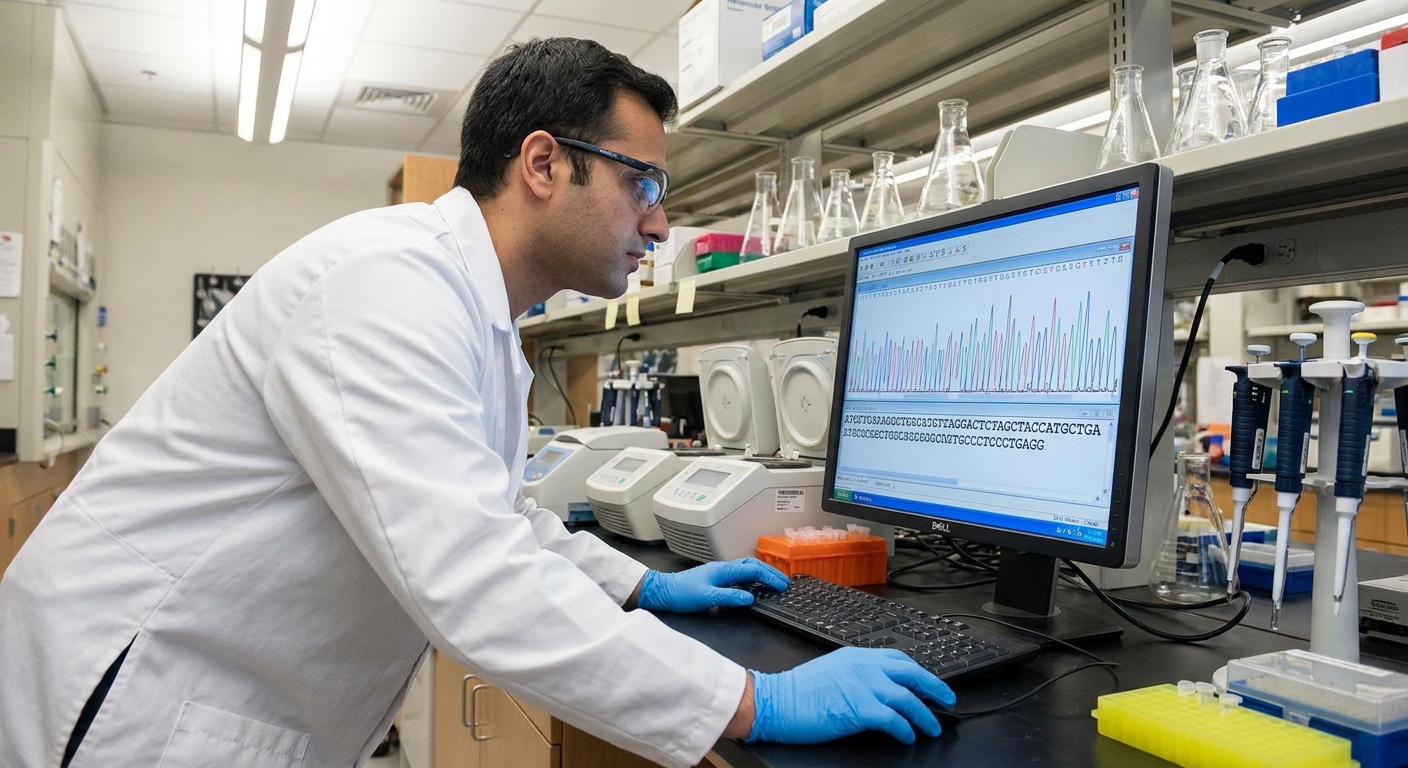
Imagine a medical treatment designed specifically for your body’s unique genetic makeup. This is the core idea behind personalised medicine, one of the most exciting emerging healthcare technologies in Malaysia. While it is still in its early stages, the potential is huge. For example, in cancer treatment, doctors can analyse the genetic profile of a tumour to choose the most effective drug, minimising side effects and improving success rates. As genetic testing becomes more affordable and accessible, this tailored approach could expand to cover many other conditions, helping doctors make more precise decisions about everything from medication dosages to lifestyle recommendations. It represents a move away from a one-size-fits-all model to one that is truly individualised.
Adapting to the Needs of an Ageing Population
Like many countries, Malaysia has a growing elderly population. This demographic shift brings its own set of healthcare challenges and opportunities. In response, we are seeing a greater focus on geriatric care, with hospitals dedicating specialised wards and clinics for older adults. There is also a rising demand for home healthcare services, which allow senior citizens to receive professional medical care and assistance in the comfort of their own homes. Technology is playing a key role here too, with devices that can monitor for falls, remind users to take medication, and provide an easy way to call for help, enabling the elderly to maintain their independence for longer.
Staying Informed in a Changing World
With so many advancements happening at once, it is important for everyone—from patients to healthcare providers—to keep up. Understanding the ongoing Malaysian healthcare industry trends is not just an academic exercise; it empowers us to make better decisions for our own health and for our families. When we know about the availability of telehealth, the importance of preventative screenings, or the potential of new treatments, we can engage more effectively with our doctors. For the healthcare system as a whole, embracing these trends means creating a more efficient, effective, and patient-focused service that benefits all citizens across the nation.
In conclusion, the healthcare sector in Malaysia is experiencing a period of significant and positive change. The journey from traditional, reactive care towards a proactive, digital, and personalised model is well underway. Key developments like telemedicine are breaking down barriers to access, while a renewed focus on prevention is empowering people to take control of their well-being. Looking ahead, the continued growth of emerging healthcare technologies in Malaysia, combined with adaptations for our ageing population, points towards a more responsive and individualised system. By staying aware of these shifts, we can all participate in building a healthier future for ourselves and for the country, ensuring that our healthcare system not only treats illness but actively promotes a long and healthy life for every Malaysian.