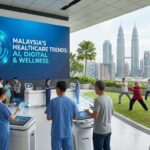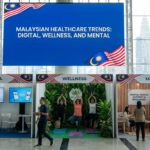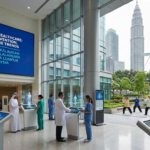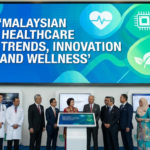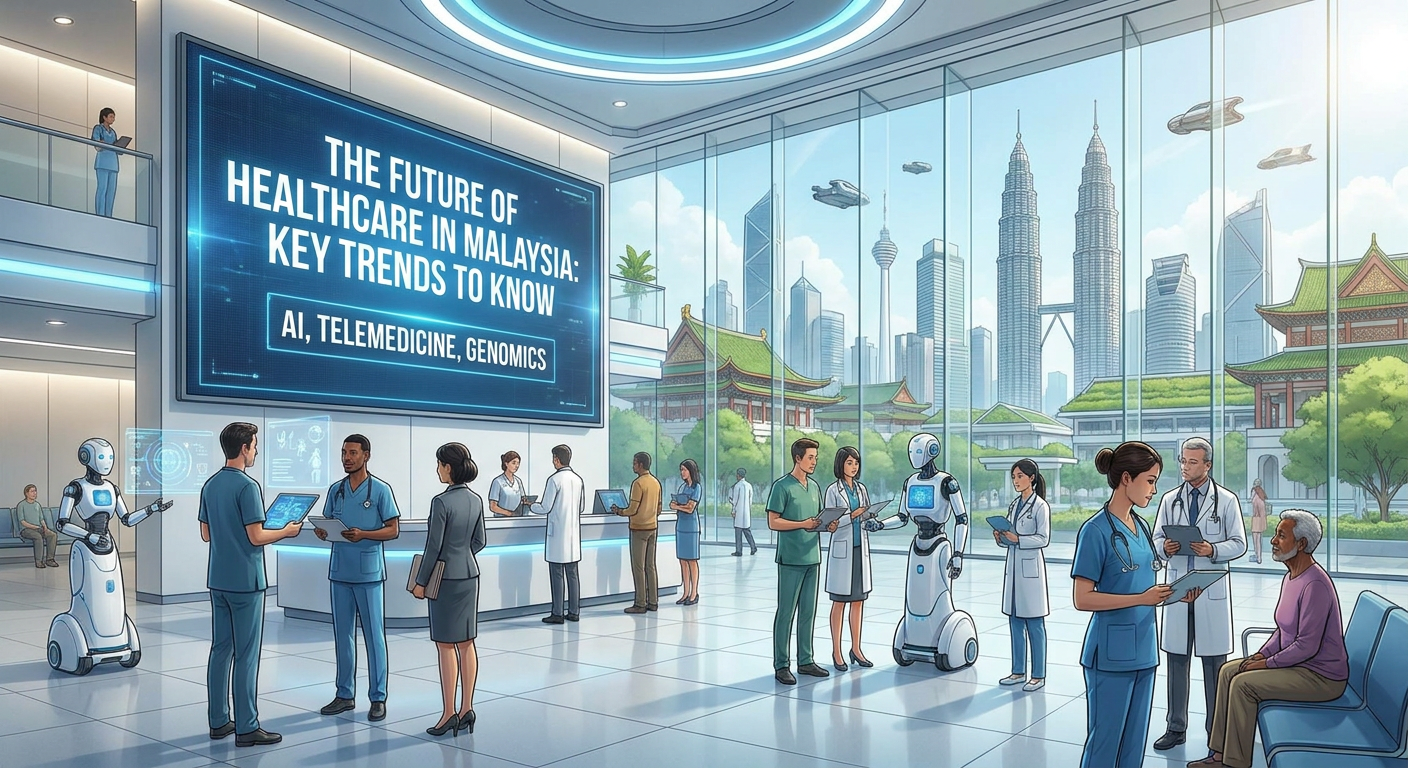
Picture this: scheduling a doctor’s appointment, receiving a diagnosis, and having medication delivered to your doorstep, all from the comfort of your home. What once seemed like a distant future is now a present-day reality for many in Malaysia. The way we approach health and wellness is changing at an incredible pace, driven by new technologies and a powerful shift in what we, as patients, expect from our care. It can be difficult to keep up and even harder to know which information to trust. In this article, we will explore the key shifts shaping our nation’s health sector, from the rise of digital health to the growing demand for personalised care, helping you understand the future of healthcare in Malaysia.
Navigating the Noise: Finding Trustworthy Health Information
With health advice appearing everywhere from social media feeds to family chat groups, it’s more important than ever to know where to find reliable information. Misinformation can cause unnecessary worry and lead to poor health decisions. When looking for updates on health matters, it’s always best to turn to credible sources. Official government portals, such as the Ministry of Health Malaysia (KKM), provide accurate, evidence-based information. Similarly, established medical journals and reports from reputable healthcare organisations offer deep insights that are backed by research. By prioritising these sources, you can cut through the noise and stay informed with facts, not fiction.

The Digital Transformation of Care
One of the most significant changes in the Malaysian healthcare industry landscape is the rapid adoption of digital technology. Telemedicine, or virtual consultations, has moved from a niche service to a mainstream option, offering incredible convenience for follow-up appointments and non-emergency issues. Beyond consultations, wearable technology like smartwatches and fitness trackers are empowering individuals to monitor their own health in real-time. This flow of data allows for a more proactive approach to wellness, helping to spot potential issues before they become serious. This digital shift isn’t just about convenience; it’s about making healthcare more accessible and personalised for everyone, regardless of where they are in Malaysia.
The Rise of the Empowered Patient
Today’s patients are more informed and actively involved in their healthcare journey than ever before. This move towards self-advocacy is at the heart of many new patient-centric healthcare trends. People are no longer passive recipients of care; they are active partners. They arrive at appointments with their own research, ask more questions, and expect transparency in their treatment plans. This has led to a welcome shift in the healthcare sector, with a greater focus on preventative medicine, mental wellness, and holistic health plans that treat the person as a whole, not just the symptom. This patient-led movement is pushing providers to deliver a more collaborative and respectful experience.
What These Changes Mean for Healthcare Professionals
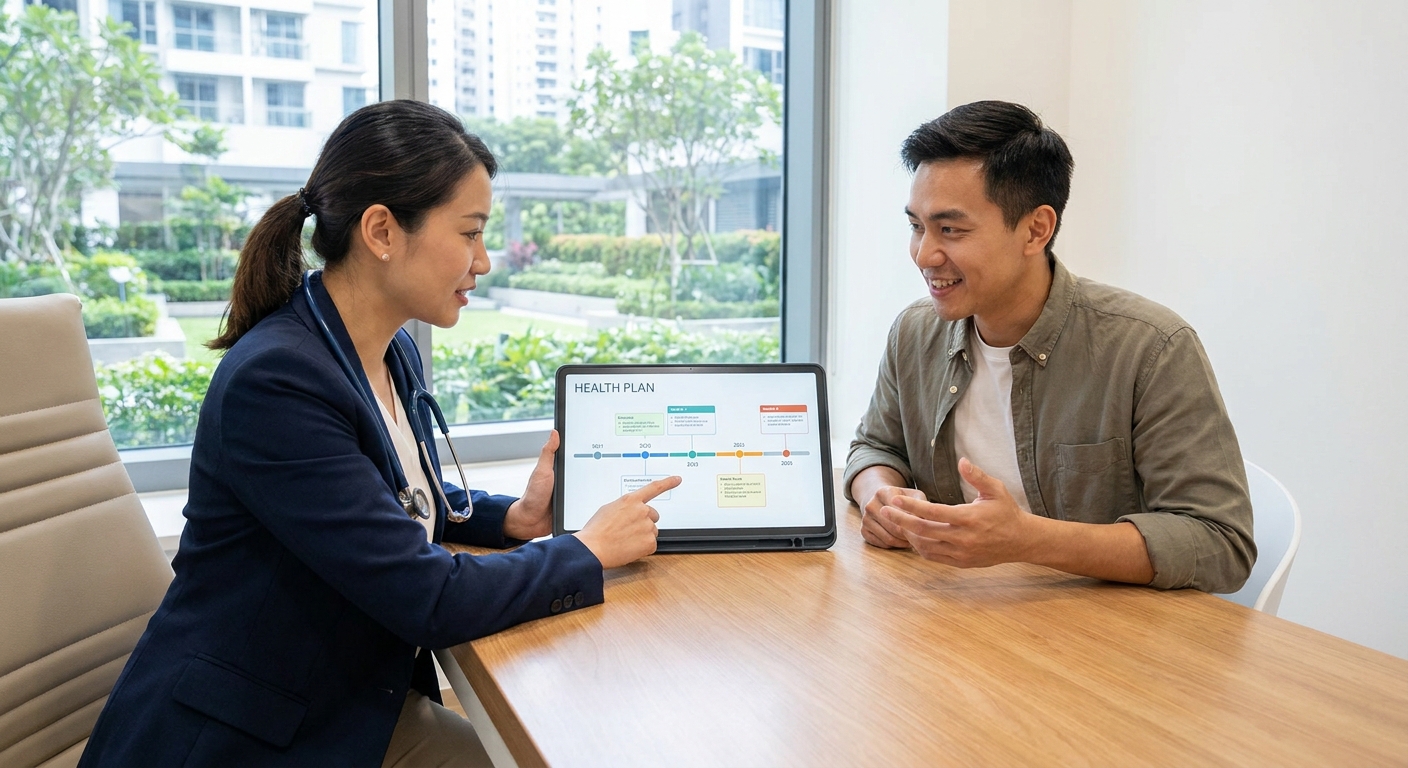
The evolving health scene presents both challenges and exciting opportunities for professionals. Doctors, nurses, and pharmacists must adapt to these new dynamics. Embracing digital tools, such as electronic health records and telehealth platforms, is no longer optional. More importantly, communication skills are becoming paramount. Listening to patients, understanding their concerns, and co-creating treatment plans are key to building trust in this new environment. The most successful providers will be those who embrace these patient-centric healthcare trends, viewing them not as a burden but as an opportunity to foster stronger relationships and achieve better health outcomes for their communities.
In conclusion, the healthcare sector in Malaysia is undergoing a remarkable transformation. From the integration of digital technology in our daily lives to our new role as empowered patients, the entire system is becoming more responsive and accessible. Understanding these key healthcare trends is crucial for navigating your own health journey effectively. By staying informed through reliable sources and embracing the collaborative spirit of modern medicine, we can all play a part in building a healthier future. The evolving healthcare industry landscape promises a more connected, convenient, and personalised approach to wellness, placing the power of good health firmly in our hands.