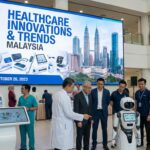
Remember the days when a trip to the clinic meant clearing your schedule, navigating traffic, and spending hours in a waiting room? For many of us across Malaysia, that picture is quickly becoming a thing of the past. The way we think about and access healthcare is changing, driven by new technology and a growing desire to live healthier lives. It’s not just about treating sickness anymore; it’s about staying well in the first place. At our core, we believe in keeping our community informed about these important shifts. In this article, we’ll explore the key developments shaping the future of health in our nation, from consulting your doctor through a screen to a renewed focus on holistic wellness.
Your Doctor, Now on Your Screen
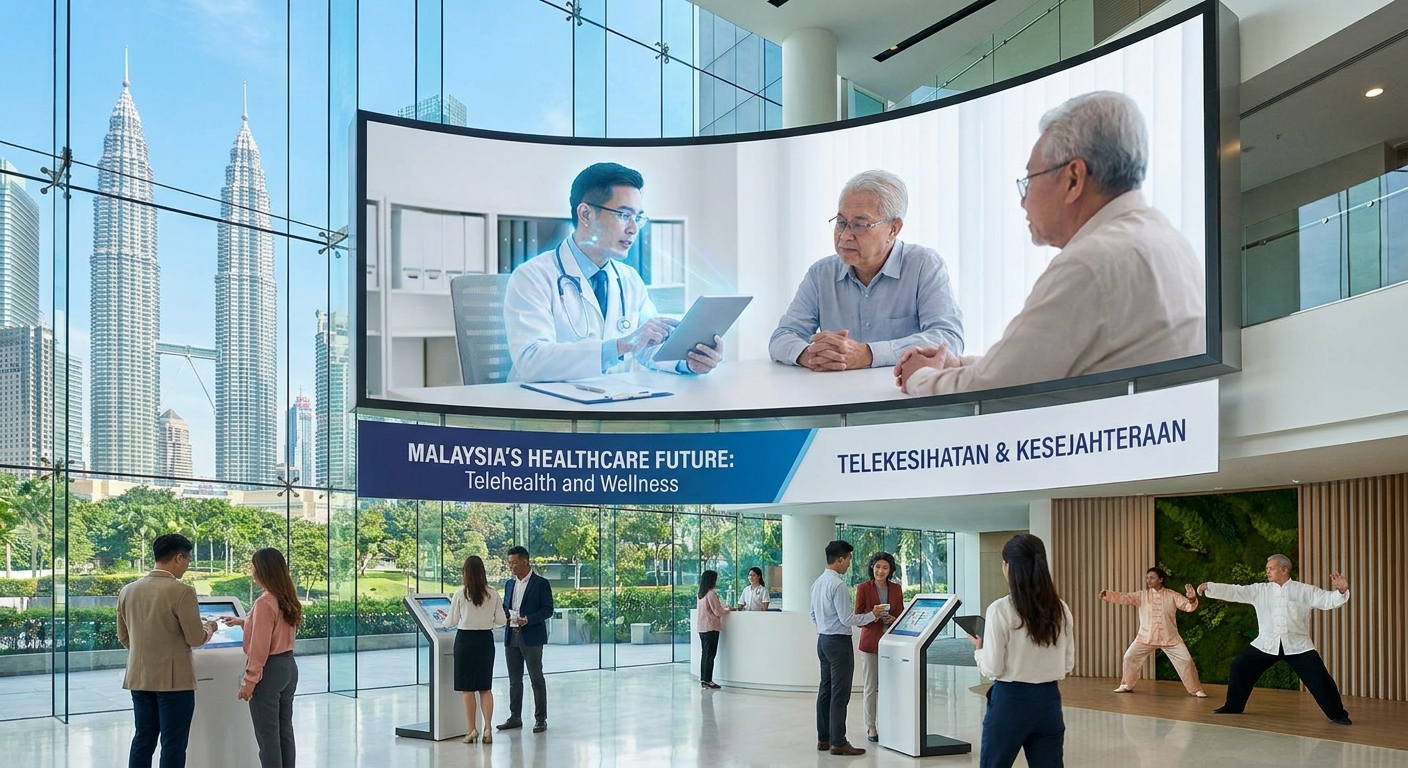
The biggest change we’ve all noticed is the incredible growth of telehealth and digital health in Malaysia. What started as a convenience has now become a normal part of our healthcare system. Platforms that connect patients with doctors via video calls for consultations, advice, and even electronic prescriptions have become common. This is more than just a time-saver; it’s a game-changer for people with mobility issues, those living in remote areas, or busy parents juggling work and family. It brings the doctor’s expertise directly into our homes, making healthcare more accessible than ever before. This digital shift also includes remote patient monitoring, where devices can track blood pressure or sugar levels from home and send the data to a doctor, allowing for continuous care without constant clinic visits.

A New Focus on Staying Well
For a long time, healthcare was mostly about what to do when you get sick. Now, there’s a strong movement towards preventing illness altogether. This is a fundamental change in mindset. More Malaysians are taking control of their health through better nutrition, regular exercise, and paying close attention to their mental well-being. This shift towards preventive and holistic care is supported by a growing ecosystem of wellness apps, fitness trackers, and accessible health information. We are also seeing a greater acceptance and integration of traditional and complementary medicine within the mainstream system, with some government hospitals even housing dedicated units. This holistic approach acknowledges that good health is a balance of mind, body, and lifestyle choices, not just the absence of disease.
Closing the Gap in Healthcare Access
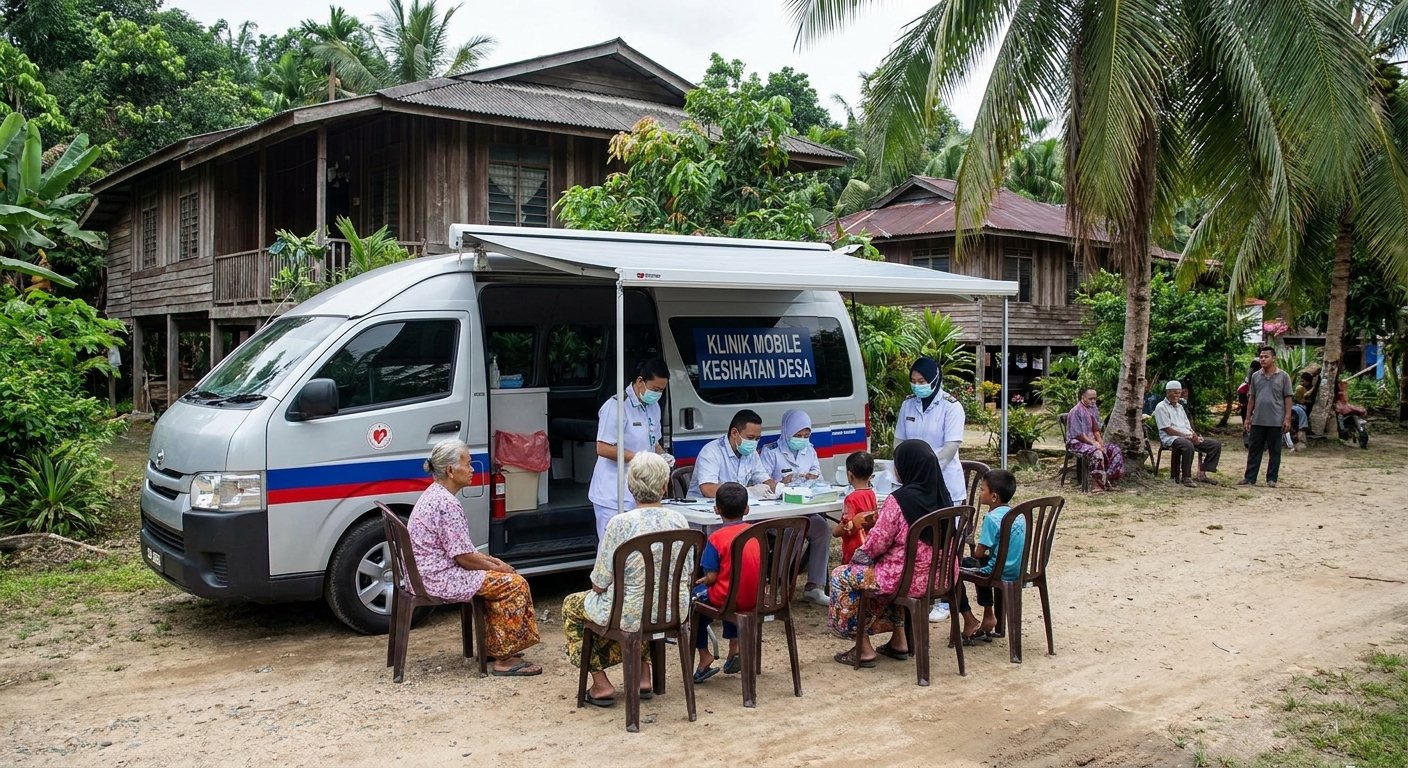
One of the long-standing challenges in Malaysia has been the disparity in healthcare quality between urban and rural areas. While cities like Kuala Lumpur and Penang have world-class facilities, communities in the countryside have often faced difficulties accessing even basic services. Thankfully, there are dedicated efforts underway to close this gap. Initiatives like mobile clinics are bringing medical services directly to remote villages, particularly in states like Sabah and Sarawak. Furthermore, there are government policies aimed at increasing the number of doctors, nurses, and specialists serving in rural clinics (Klinik Desa) and district hospitals. The goal is simple but powerful: to ensure that every Malaysian, regardless of their postcode, has a fair opportunity to receive quality healthcare.
The Policies Shaping Our Healthier Future
These exciting changes are not happening by chance. They are guided by forward-thinking government policies and regulations. The Ministry of Health has been actively developing a framework to support the expansion of telehealth and digital health in Malaysia, ensuring that it is safe, secure, and effective for everyone. This includes putting clear rules in place for patient data privacy, which is essential for building public trust. These policies form the blueprint for a more modern, efficient, and inclusive healthcare system. By creating a supportive regulatory environment, the government is encouraging innovation and investment, which ultimately benefits all of us as patients and citizens. This careful planning helps to standardise the evolving Malaysian healthcare trends, making sure progress is steady and sustainable.
To conclude, the healthcare journey in Malaysia is on an exciting and positive path. We’re moving from a reactive model of treating illness to a proactive one focused on wellness and prevention. Technology is breaking down barriers, making it easier and more convenient to get professional medical advice. At the same time, a deliberate effort to improve services in rural areas is helping to create a more equitable system for all. These developments are not just trends; they are the building blocks of a stronger, healthier nation. As we embrace these changes, we encourage everyone—patients, healthcare providers, and community leaders—to participate in this transformation. The future of Malaysian healthcare is bright, and it’s a future we are building together.