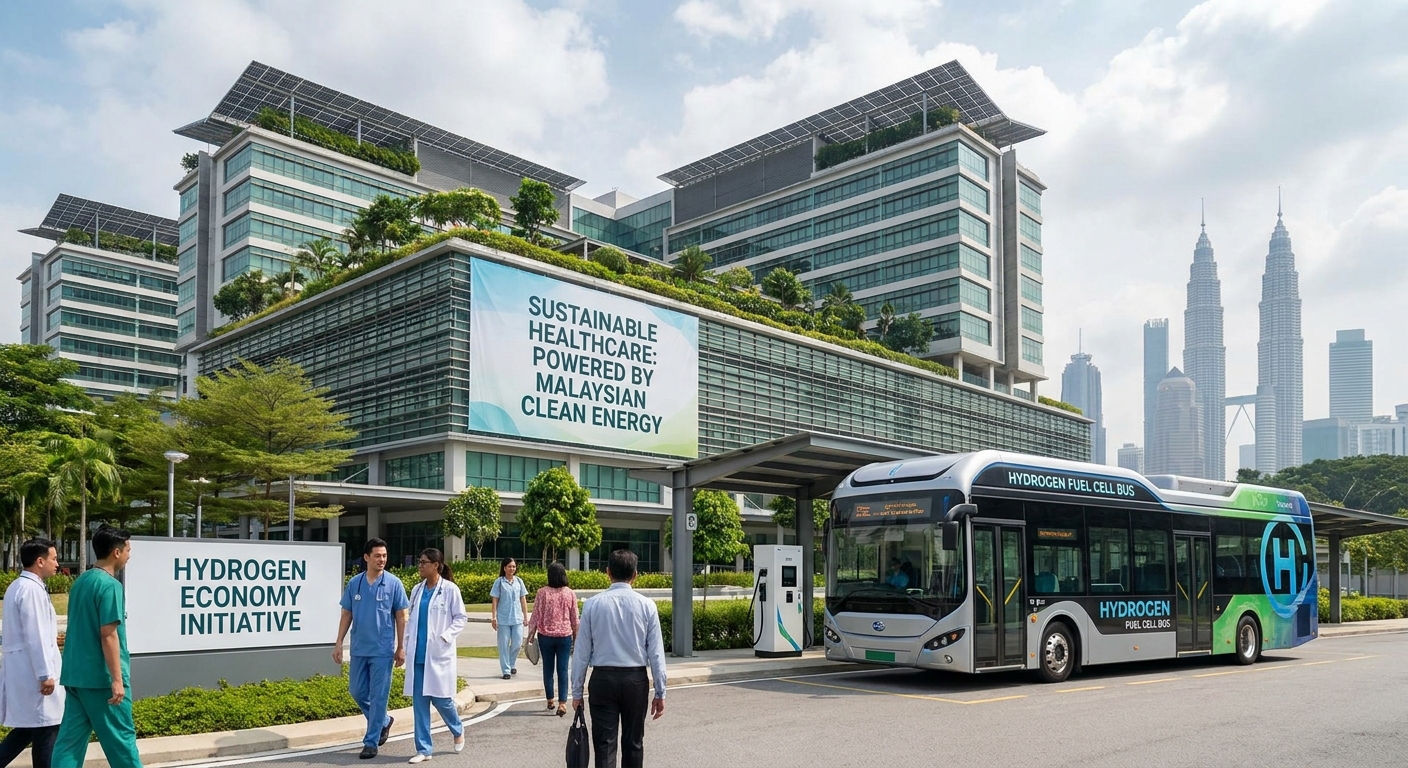
Imagine a future where our hospitals are not only centres of healing but also symbols of sustainability. A future where critical medical equipment runs silently and reliably, powered by a source that produces only water. This isn’t science fiction; it is the potential that hydrogen technology holds for our nation. As Malaysia champions a greener economy, we are seeing a fascinating convergence of energy innovation and healthcare. This shift could revolutionise how we design, power, and operate our medical facilities, creating a healthier environment for both patients and the planet. In this article, we will explore this emerging trend and discuss how hydrogen might just be the key to unlocking a new era for healthcare in Malaysia.
A Greener Pulse for Malaysian Healthcare
The push for sustainable energy is gaining serious momentum across Malaysia. With national roadmaps like the Hydrogen Economy and Technology Roadmap (HETR) setting a clear direction, the country is signalling its commitment to a low-carbon future. While many associate this with transportation and industry, we believe the healthcare sector stands to gain immensely from this green revolution. Moving away from a heavy reliance on the conventional power grid and noisy, polluting diesel backup generators presents a major opportunity. Adopting hydrogen technology in our hospitals and clinics isn’t just about being environmentally friendly; it’s about building a more resilient, efficient, and patient-focused healthcare system for all Malaysians.
Powering a Healthier Tomorrow
So, how does it work? At the heart of this technology are hydrogen fuel cells. These devices combine hydrogen and oxygen to produce electricity, with heat and water as the only byproducts. Think of them as batteries that never run out as long as you supply them with fuel. This clean energy generation can be scaled down to power individual pieces of equipment. The development of hydrogen-powered medical devices could change the game for portable care. Imagine ventilators, infusion pumps, and diagnostic tools that are lighter, have longer run times, and can be used reliably in ambulances or remote pop-up clinics without worrying about a power source. This would give our healthcare professionals more flexibility and enhance patient care in critical situations.
The Hydrogen-Powered Hospital Concept
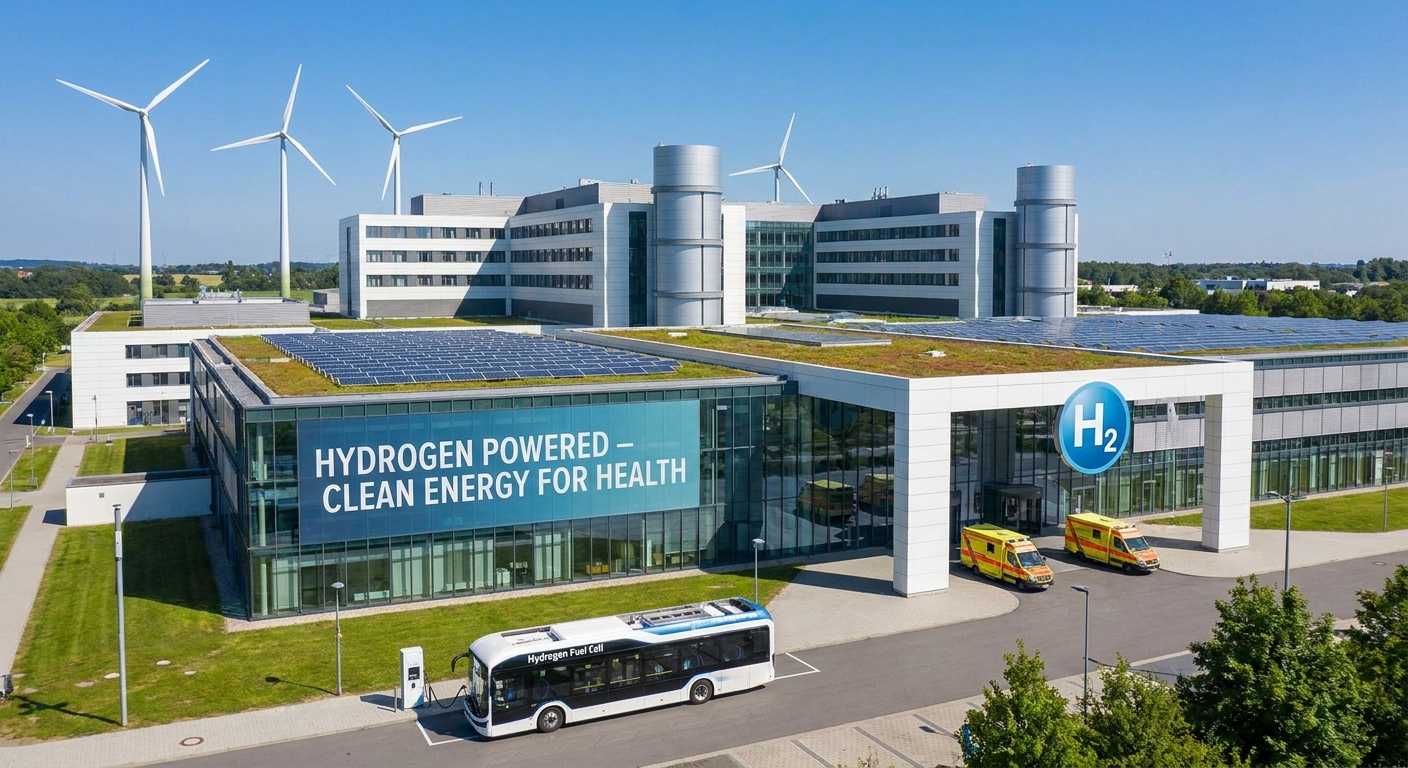
Expanding on the idea of powering individual devices, let’s consider the entire hospital. A hydrogen-powered hospital would use larger fuel cell systems as its primary or backup power source. This offers incredible advantages. Firstly, there’s energy independence. During a grid blackout, a common concern in some areas, a hydrogen system would kick in silently and instantly, ensuring that life-support systems and operating theatres continue to run without interruption. Secondly, it’s about creating a better healing environment. Diesel generators are loud and produce harmful fumes, which is far from ideal for a place dedicated to recovery. Hydrogen fuel cells are quiet and emission-free, contributing to a peaceful and clean atmosphere for patients and staff alike.

A National Commitment to Innovation
This vision aligns perfectly with Malaysia’s ambition to become a regional leader in green technology. States like Sarawak are already making significant strides in hydrogen production, laying the groundwork for a robust supply chain. For the healthcare sector, this national commitment opens the door to becoming a proving ground for innovative applications. By exploring and adopting hydrogen, our hospitals can become leading examples of sustainable healthcare solutions in Malaysia. This move would not only reduce the sector’s carbon footprint but also stimulate local innovation, create new jobs in green tech, and position Malaysia as a forward-thinking nation in both energy and healthcare.
Challenges and the Path Forward
Of course, the journey towards widespread adoption has its challenges. The initial cost of infrastructure and the need to build a skilled workforce to manage these new systems are real considerations. However, these hurdles should be seen as opportunities. Investment in research and development for more efficient hydrogen-powered medical devices can spur local manufacturing. Building the necessary infrastructure is a long-term investment that pays dividends in energy security and lower operational costs. By tackling these challenges head-on, we are not just solving a problem; we are building a foundation for truly sustainable healthcare solutions in Malaysia. It’s a strategic step towards a system that is economically viable, environmentally responsible, and medically superior.
In conclusion, the potential for hydrogen technology to reshape healthcare in Malaysia is both real and exciting. It represents more than just a new way to power our buildings; it is a fundamental shift towards a more resilient, efficient, and patient-friendly healthcare model. By providing clean and reliable energy for everything from a single ventilator to an entire hospital complex, hydrogen promises to reduce our carbon footprint, lower long-term operational costs, and enhance the quality of care. As our nation continues to invest in a green future, the healthcare sector has a unique opportunity to lead the way. Embracing this innovation will not only benefit our current generation but will also build a healthier, more sustainable Malaysia for years to come.