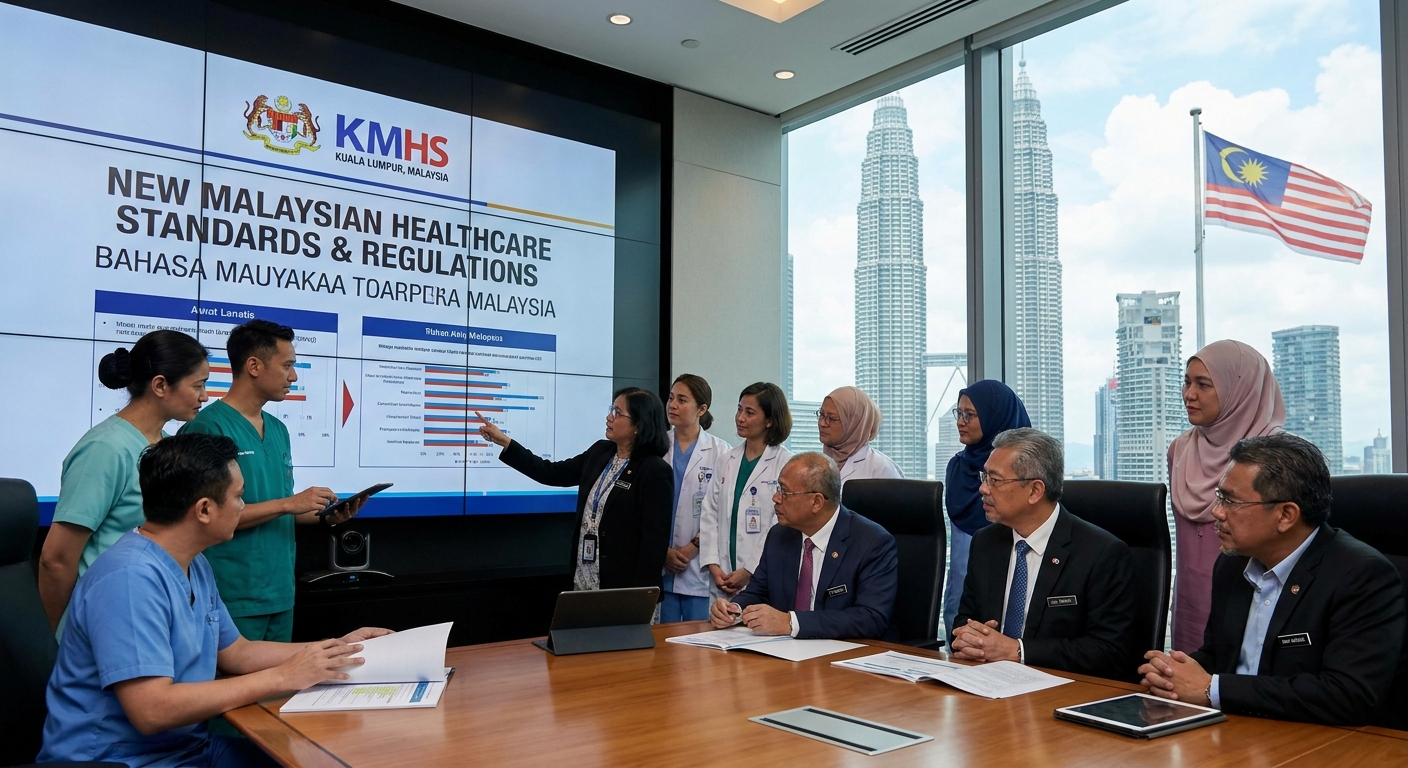
Imagine building a house. You wouldn’t just throw bricks and mortar together; you’d follow a detailed blueprint to ensure the foundation is solid, the walls are straight, and the roof won’t leak. The safety and security of your family depend on it. In much the same way, Malaysia is currently focusing on its healthcare “blueprint.” There is a clear and growing emphasis on strengthening the standards and rules that govern our health services. This isn’t just about paperwork; it’s a dedicated effort to ensure every aspect of our healthcare is safe, effective, and reliable. In this article, we’ll explore the key developments in this area, what they mean for the average Malaysian, and how everyone plays a part in building a healthier nation.
Building Trust Through Better Systems
For a long time, the focus of healthcare might have been simply on availability. Today, the conversation has shifted. It’s now about the quality of care. This evolution is central to the progress of the healthcare industry in Malaysia. It’s about creating a system where patients can have complete confidence in their treatment, whether they are visiting a local clinic or a large hospital. This is being achieved through a more collaborative approach. Government bodies, private hospitals, pharmaceutical companies, and research labs are working together more closely than ever. Their shared goal is to create and uphold a unified set of standards that elevates the entire sector, making high-quality healthcare accessible to all.

The Details That Make the Difference
So, what does this focus on standards actually involve? It covers several important areas. One key field is industrial engineering and quality management. These principles, often used in high-tech manufacturing, are being applied to healthcare to make processes more efficient and reduce the chance of human error. Think of it as standardising procedures to ensure consistent, high-quality outcomes every time. Furthermore, the government is looking ahead to new developments like hydrogen technologies in medicine, establishing rules now to ensure their safe use in the future. A significant part of this push is aligning with global benchmarks, such as the OECD Good Laboratory Practice (GLP) requirements. This ensures that our medical research and testing are up to international standards, making our findings credible worldwide and boosting our reputation. This forward-thinking approach is shaping a robust regulatory framework for healthcare in Malaysia.
The Real-World Benefits for Every Malaysian
These technical standards might seem distant, but their impact is felt directly in our daily lives. When we have strong healthcare standards and regulations in Malaysia, the most important benefit is improved patient outcomes. Standardised procedures in hospitals mean fewer mistakes and more effective treatments. It also builds immense trust. Knowing that the medicine you buy or the clinic you visit has met strict national and international guidelines provides peace of mind. On a larger scale, compliance with international benchmarks makes Malaysia an attractive hub for medical tourism and pharmaceutical investment. This brings economic benefits and, more importantly, gives our own medical professionals access to the latest knowledge and technologies from around the world.

A Shared Responsibility for a Healthier Future
Upholding these high standards is not a one-person job; it requires a collective effort from all stakeholders. Each group has a distinct and important role to play. Healthcare providers, including doctors, nurses, and hospital administrators, are on the front line. They are responsible for implementing these standards in their day-to-day work, from following clinical guidelines to adopting new quality management systems. At the same time, manufacturers of medical devices and pharmaceuticals must adhere strictly to production and laboratory practices to ensure their products are safe and effective. Finally, policymakers have the ongoing task of creating, reviewing, and enforcing the rules. They must ensure the regulations are practical, fair, and keep pace with the rapid evolution of medical science and technology.
Charting the Course Forward for Malaysia’s Healthcare
In conclusion, the concerted push to establish and align healthcare standards and regulations in Malaysia is more than just a policy trend; it is the very foundation of a healthier future for all of us. By focusing on quality management, preparing for new technologies, and adopting global best practices, we are building a system that is not only effective but also trustworthy. This journey requires the unwavering commitment of healthcare providers, manufacturers, and policymakers working in unison. Their collaboration is essential for driving continuous improvement and strengthening the entire healthcare industry in Malaysia. Ultimately, a clear and modernised regulatory framework for healthcare in Malaysia is the backbone of a world-class system, ensuring every citizen receives the safe, reliable, and high-quality care they deserve for generations to come.