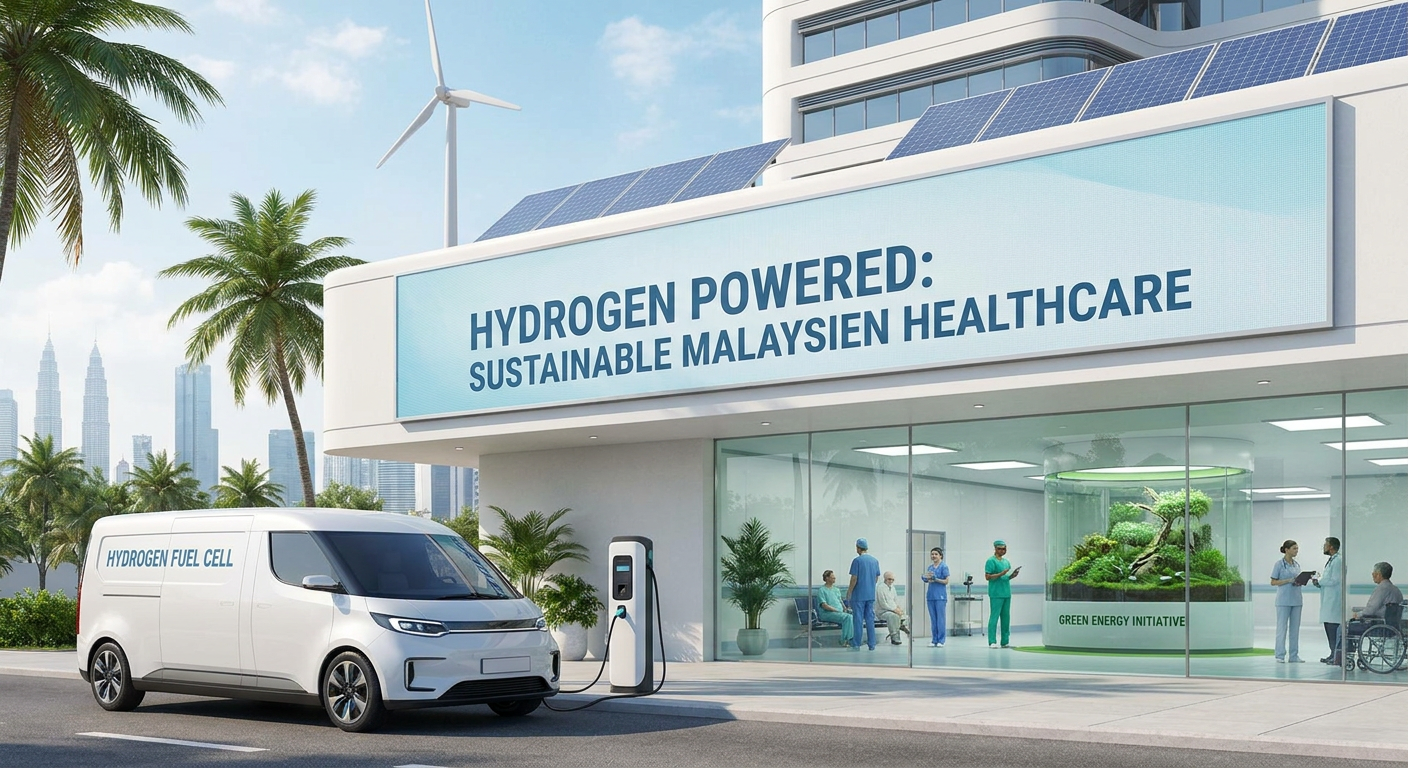
Imagine a hospital that never worries about power cuts during a critical operation. Picture medical equipment that runs longer, works more efficiently, and leaves behind only water. This isn’t a scene from a futuristic film; it’s the near future being shaped by hydrogen technology. While we often hear about hydrogen in the context of clean energy for cars and industries, its potential to transform the healthcare sector is just as exciting. For Malaysia, a nation pushing towards a greener future, this represents a golden opportunity. In this article, we will explore how hydrogen is set to revolutionise our medical landscape, from powering essential devices to making our entire healthcare system more resilient and sustainable for generations to come.
A New Source of Power and Reliability
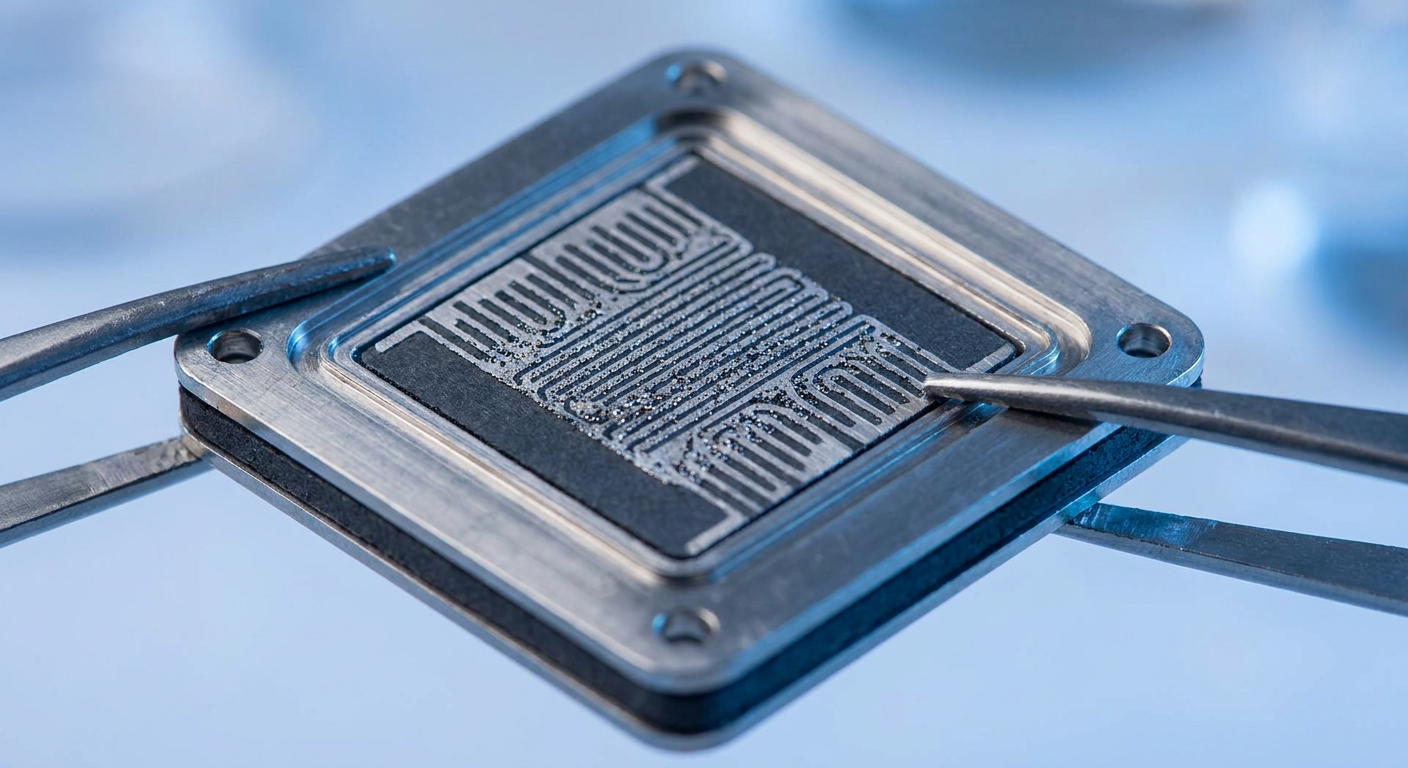
At its heart, hydrogen technology is about creating clean electricity. When hydrogen is combined with oxygen in a fuel cell, it generates power, with pure water being the only by-product. Unlike traditional diesel generators that are noisy, produce harmful fumes, and require regular maintenance, hydrogen fuel cells are quiet, clean, and incredibly reliable. For a hospital, where a constant power supply is a matter of life and death, this is a significant advantage. It means life-support machines, operating theatres, and data centres can stay running without interruption, even during a grid failure. This shift moves us towards a system that is not only greener but also fundamentally safer for patients.
Creating Smarter, More Efficient Medical Equipment
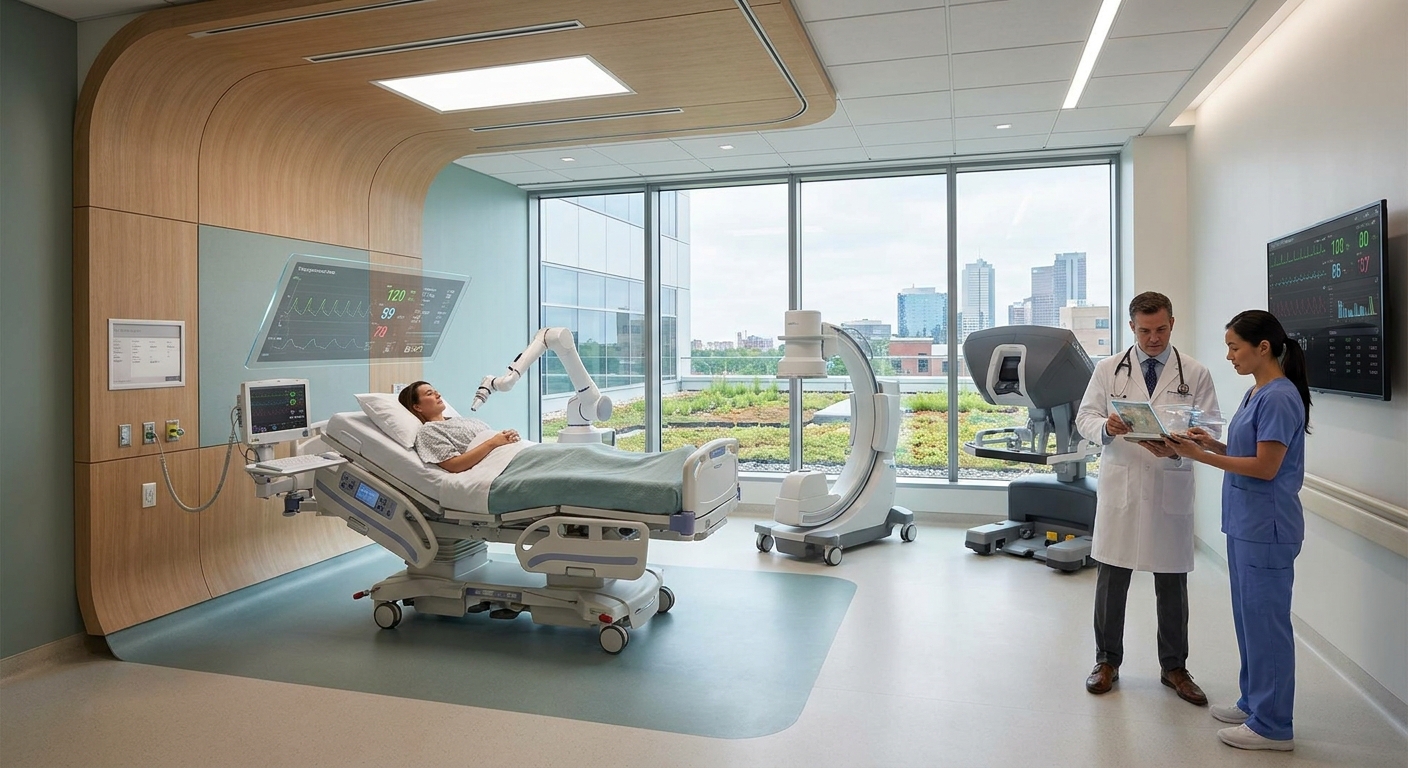
The benefits of hydrogen extend directly to the tools our medical professionals use every day. Think about portable ventilators, infusion pumps, or mobile monitoring carts. Many of these currently rely on batteries that have limited life and long charging times. By integrating small hydrogen fuel cells, this equipment could run for much longer periods and be refuelled in minutes, not hours. This increases efficiency, allowing healthcare staff to spend more time with patients and less time managing equipment. It is a key step in developing truly sustainable medical equipment in Malaysia, reducing our reliance on batteries that contain heavy metals and have a limited lifespan, contributing to a circular economy within the healthcare sector.
Aligning with Malaysia’s Green Future
The push for hydrogen in healthcare is not happening in a vacuum. It aligns perfectly with Malaysia’s national agenda, particularly the National Energy Transition Roadmap (NETR), which identifies hydrogen as a key pillar for a sustainable economy. By adopting hydrogen technologies, Malaysian hospitals and healthcare providers can become leaders in the nation’s green transition. This move would not only reduce the carbon footprint of the healthcare industry—one of the most energy-intensive sectors—but also create new opportunities. We could see local innovation in medical technology and position Malaysia as a forward-thinking healthcare hub in Southeast Asia, attracting investment and talent.
Learning from Early Adopters
While the widespread use of hydrogen in healthcare is still emerging, we can look to examples from around the world to understand its potential. In countries like Japan, some hospitals already use large-scale hydrogen fuel cells as clean and reliable backup power sources. These systems have proven their worth during natural disasters, ensuring that medical services continue uninterrupted. These case studies provide a valuable blueprint, showing us the practical benefits and challenges. The application of hydrogen fuel cells in healthcare is not just theoretical; it’s a proven solution that delivers resilience when it is needed most. We can learn from these experiences to ensure a smooth and effective rollout here in Malaysia.
The Path Forward for Malaysian Healthcare
Embracing a hydrogen-powered future will require a coordinated effort. It starts with raising awareness and encouraging partnerships between the government, healthcare institutions, and technology providers. We need pilot programmes in Malaysian hospitals to test and demonstrate the benefits of hydrogen solutions in a local context. This will help build confidence and iron out any practical challenges before a wider rollout. As the technology becomes more affordable and accessible, creating supportive policies and standards will be important for integrating more sustainable medical equipment in Malaysia‘s healthcare ecosystem. The journey begins with taking these first deliberate steps towards a cleaner, more efficient system.

To conclude, the shift towards hydrogen in healthcare is more than just an upgrade; it’s a fundamental rethinking of how we power our medical services. It offers a powerful combination of benefits: enhanced reliability that saves lives, greater operational efficiency, and a significant reduction in our environmental impact. For Malaysia, this aligns perfectly with our national vision for a sustainable and technologically advanced future. While there are hurdles to overcome, such as initial costs and infrastructure development, the potential rewards are immense. By embracing the use of hydrogen fuel cells in healthcare, we can build a more resilient, efficient, and greener healthcare system that will better serve all Malaysians for decades to come. The future of healthcare is clean, quiet, and powered by hydrogen.