Thinking about healthcare often brings to mind the familiar scene of a clinic waiting room or a hospital ward. Yet, beneath this surface, the entire foundation of how we manage our health is quietly but rapidly transforming. From the smartphone in your pocket to the way hospitals in Malaysia manage patient flow, a wave of change is reshaping our experiences. This evolution isn’t just about new gadgets; it’s a fundamental shift in mindset, driven by technology, new challenges, and a growing demand for better, more personal care. In this article, we’ll explore the key trends shaping Malaysia’s healthcare landscape, confront the hurdles we face, and uncover the exciting opportunities that lie ahead for patients and providers alike.
The Digital Front Door to Healthcare
Not too long ago, seeing a doctor meant taking time off work, travelling, and spending a good while in a waiting room. Today, for many common ailments, a consultation is just a few taps away on an app. Telehealth has moved from a novelty to a mainstream service, particularly in urban centres like Kuala Lumpur and Penang. This shift is profoundly changing the doctor-patient dynamic, making healthcare more accessible and convenient. It allows for quick follow-ups, prescription renewals, and initial consultations without the logistical hassle. However, as we embrace this convenience, it also brings up important conversations around data privacy and ensuring that the human touch in medicine is not lost in the digital translation.

A New Focus: From Treating Sickness to Promoting Wellness
One of the most significant healthcare industry trends is the move away from a purely reactive model—treating people only when they are sick—towards a proactive and preventive one. Malaysians are becoming more health-conscious, aided by wearable devices that track everything from our steps to our sleep quality. This personal data empowers individuals to take charge of their well-being. Healthcare providers are also adapting, offering personalised wellness plans and encouraging regular health screenings to catch potential issues early. This preventive approach is crucial for managing the rise of chronic diseases like diabetes and hypertension in the country, ultimately leading to better long-term health outcomes and a less burdened healthcare system.
Confronting the Hard Realities: Cost and Access
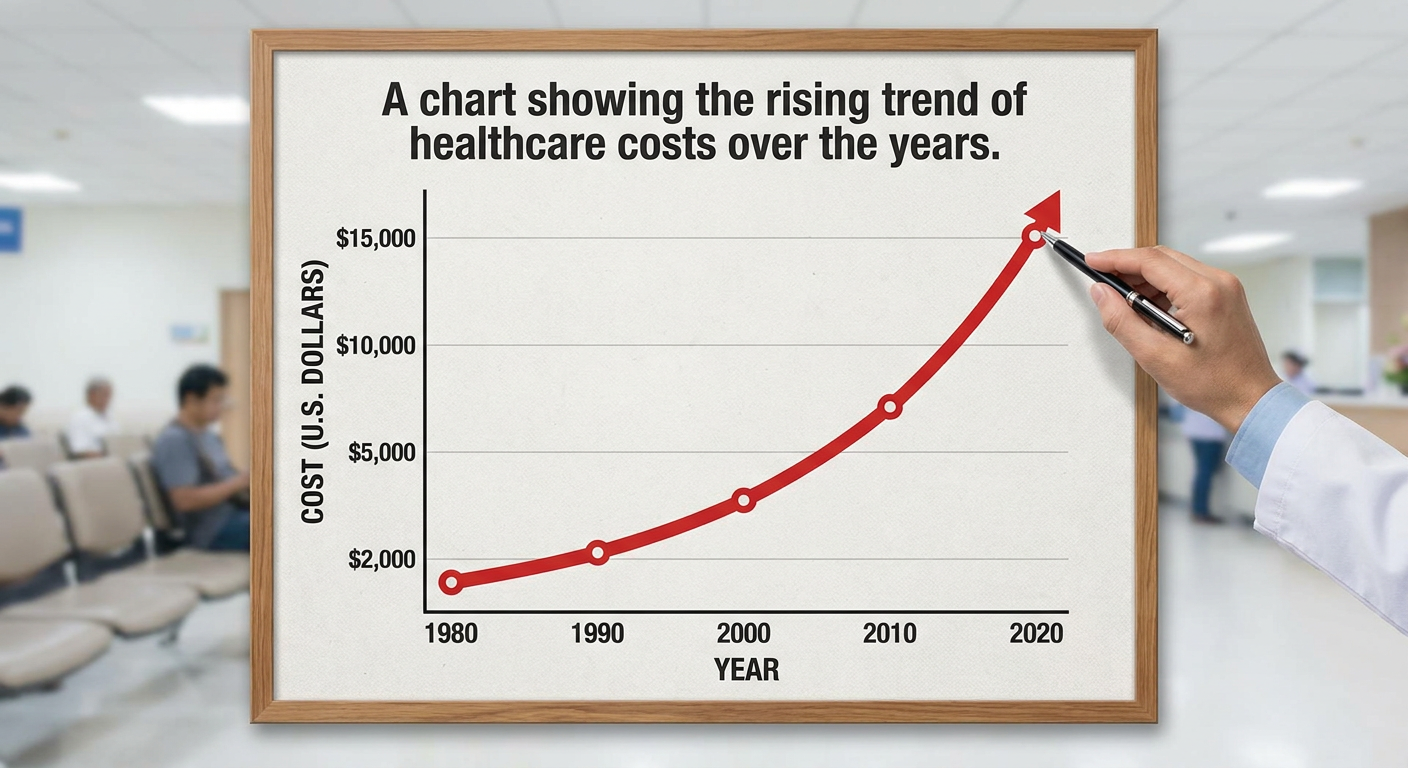
While technology brings progress, we cannot ignore the persistent challenges facing our healthcare system. The rising cost of medical care is a serious concern for many Malaysian families, with medical inflation often outpacing wage growth. This financial pressure can create a tough choice between getting necessary care and managing household budgets. Furthermore, a significant gap in healthcare quality and accessibility remains between well-served urban areas and more rural regions, particularly in states like Sabah and Sarawak. Addressing this disparity is not just a logistical challenge but a moral imperative to ensure every Malaysian has the right to quality healthcare, regardless of their location or income level.
Finding Solutions Through Smart Innovation
The challenges we face are complex, but they also spark creativity and create opportunities for growth. Data and analytics are becoming powerful tools for hospitals to improve efficiency, predict patient needs, and manage resources more effectively. We are also seeing exciting innovations in healthcare delivery through new collaborations. Public-private partnerships, where government facilities work with private sector providers, are emerging as a viable way to reduce long waiting times and expand access to specialised services. These partnerships, along with new business models like home healthcare services and subscription-based clinics, are creating a more flexible and responsive healthcare ecosystem designed to meet the diverse needs of the population.
Adapting to a Constantly Evolving Landscape
In a field that changes as quickly as healthcare, standing still means falling behind. For both patients and providers, adaptability is key. Patients can empower themselves by improving their health literacy—understanding their conditions and the treatment options available. Embracing digital tools to manage health can turn passive patients into active participants in their own care journey. For healthcare professionals and organisations, staying informed on the latest healthcare industry trends and regulatory updates is essential. It requires a commitment to continuous learning and a willingness to explore new innovations in healthcare delivery to ensure that the services provided are not just effective, but also relevant and patient-centred.
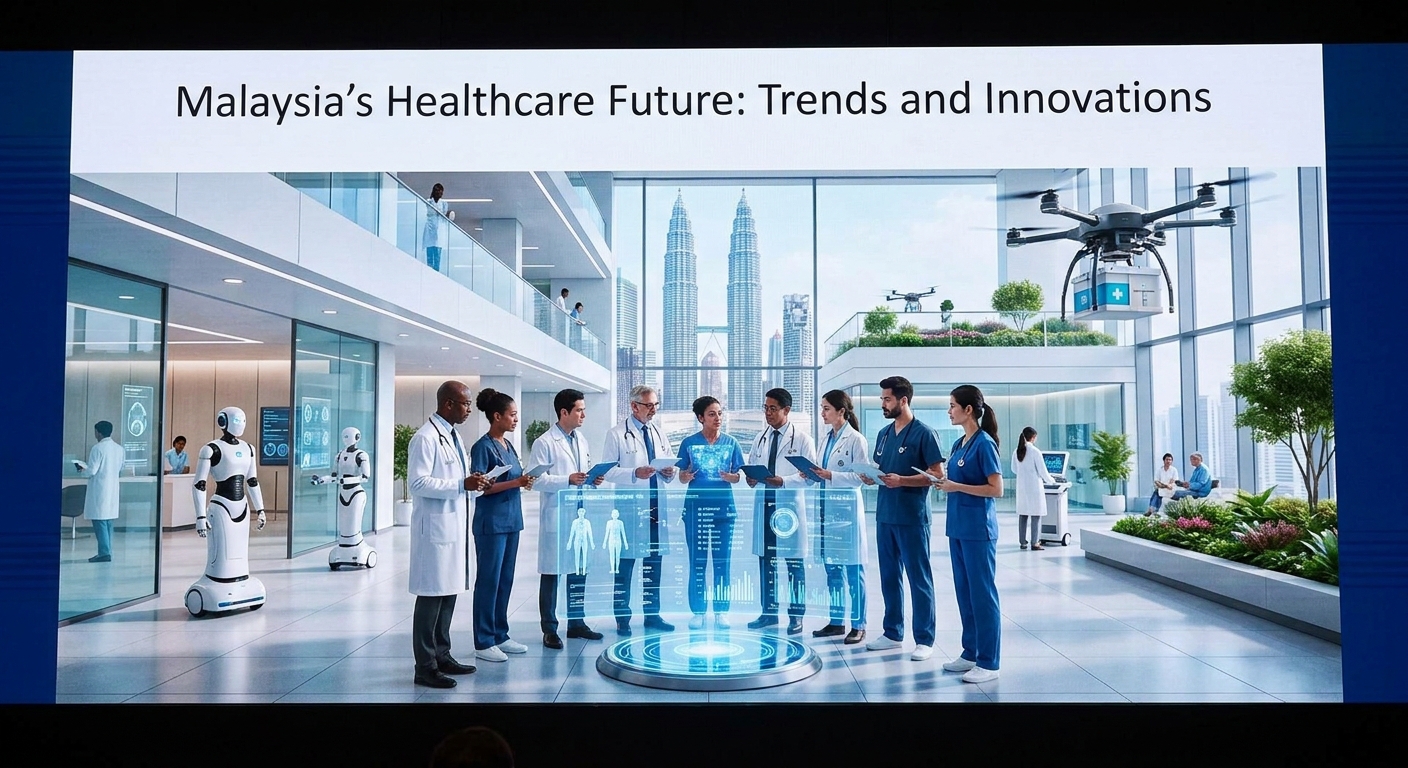
The journey of Malaysia’s healthcare system is one of dynamic change, filled with both promising advancements and significant hurdles. We are moving towards a future that is more digital, preventive, and personalised, driven by technology that puts more power into the hands of patients. However, the pressing issues of rising costs and unequal access remain challenges that we must tackle together as a nation. By fostering collaboration, embracing innovation, and committing to continuous improvement, we can navigate this complex landscape. The ultimate goal is to build a stronger, more resilient, and equitable healthcare system that not only treats illness but actively promotes the well-being of every Malaysian, creating a healthier future for generations to come.