Beyond the Paperwork: Uncovering the Real Healthcare Trends in Malaysia
Our journey to write this article began with a simple goal: to uncover the latest healthcare trends shaping Malaysia. We fired up our search engines, ready to dive into data on medical advancements and health system changes. Instead, we found ourselves scrolling through administrative logs from Jabatan Standard Malaysia. We read about industrial engineering, hydrogen technologies, and regulatory meetings—all important, but a far cry from the healthcare insights we were seeking. This experience was a powerful reminder of a modern challenge: we are surrounded by information, but finding the right, relevant knowledge is the real task. It highlights the importance of not just looking for data, but understanding where to look and how to interpret what we find. Let’s explore the genuine trends transforming healthcare in Malaysia.
The Search for the Signal in the Noise
It’s easy to get lost in an ocean of information. The initial, confusing search results we found are a perfect example of “noise”—data that is present but doesn’t contribute to our understanding of a specific topic. True trends are the “signal.” They are the significant, directional shifts that have a lasting impact on an industry. In healthcare, this means looking beyond meeting minutes and towards substantive changes in how care is delivered, how technology is used, and how patients manage their well-being. Identifying these signals requires a more thoughtful approach than a simple keyword search. It’s about understanding the context and recognising patterns that point towards a new direction for the healthcare sector.

Pinpointing Reliable Sources for Healthcare Insights
So, where do we find these valuable signals? The key is to turn to credible and specialised sources. For a Malaysian context, a great starting point is the official publications and reports from the Ministry of Health Malaysia. They provide foundational data and outline national health strategies. Beyond government sources, it’s wise to consult:
- Professional Medical Associations: Organisations like the Malaysian Medical Association (MMA) offer insights from the perspective of front-line doctors.
- Academic Journals: Research published in medical and health science journals provides evidence-based findings on new treatments and practices.
- Reputable Industry Reports: Global and regional health reports from reputable firms can offer a broader perspective on how Malaysia fits into the global healthcare picture.
Cross-referencing information from these pillars helps build a reliable and comprehensive view of the healthcare landscape, ensuring the trends we follow are substantial, not just fleeting headlines.
Key Innovations Shaping Malaysian Healthcare Today
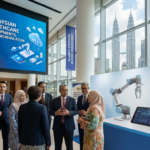
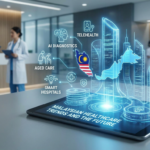
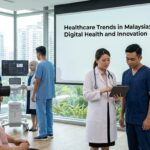
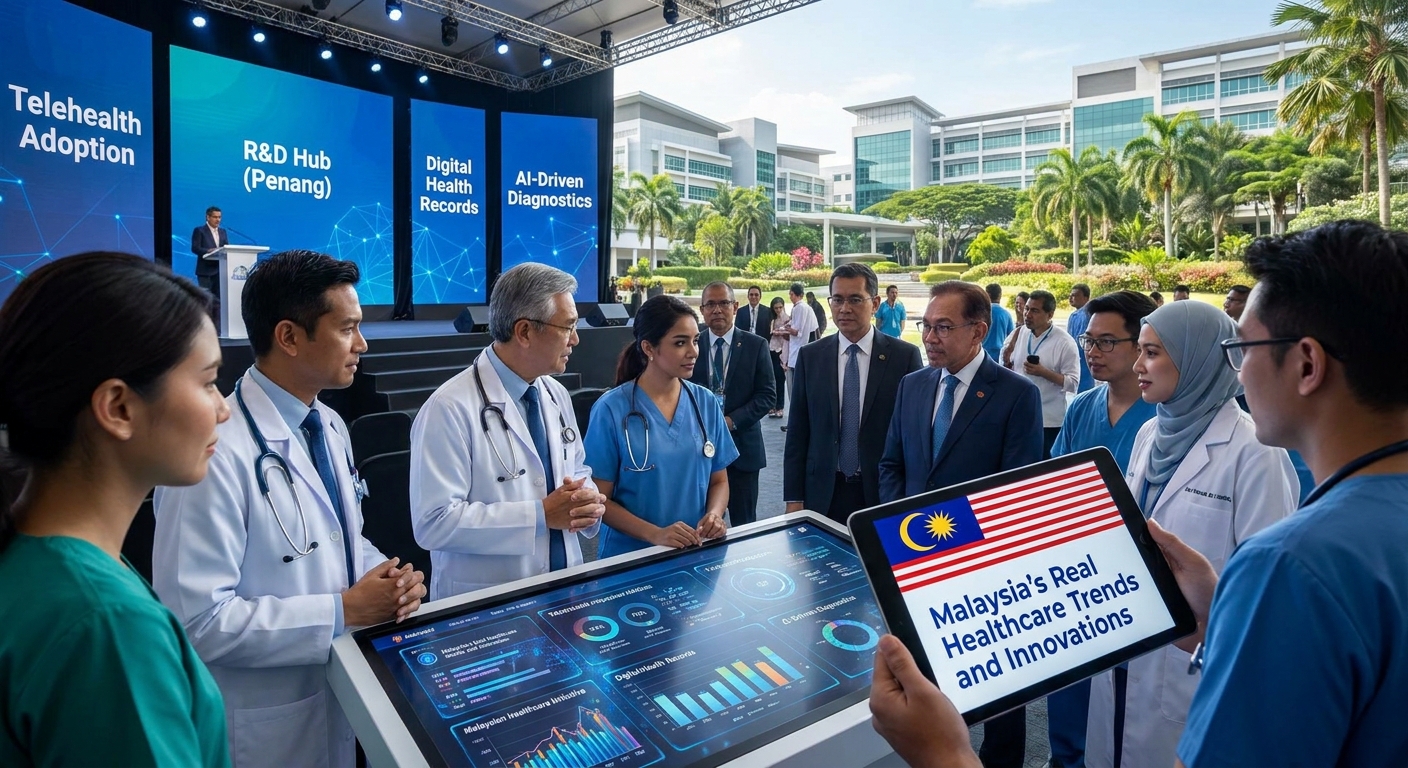
Once we filter out the noise, a clear picture of transformation emerges. One of the most significant shifts is the rapid adoption of digital health services. Telemedicine consultations, which became a necessity during the pandemic, are now a convenient standard for many. Patients can now consult with doctors, receive e-prescriptions, and schedule follow-ups from home. Alongside this, there is a growing emphasis on preventive care. Rather than only treating illnesses, the focus is shifting towards maintaining wellness through community health programmes, corporate wellness initiatives, and public education campaigns. These shifts are supported by emerging medical technologies that empower both patients and doctors with better tools for managing health proactively.

The Impact of New Medical Breakthroughs
Digging deeper, the influence of technology is undeniable. The category of emerging medical technologies extends far beyond video calls. Wearable devices, such as smartwatches that monitor heart rate and activity levels, are providing individuals with real-time data about their health, helping to manage chronic conditions like diabetes and hypertension more effectively. In hospitals, Artificial Intelligence (AI) is beginning to play a role in diagnostics, helping radiologists analyse scans with greater speed and accuracy. These are not just futuristic ideas; they are practical healthcare industry innovations being gradually integrated into our system, promising a future of more precise and personalised patient care.
Adapting to the New Healthcare Landscape
What do these trends mean for the average Malaysian? For patients, it signifies empowerment. You now have more tools and information at your fingertips to take an active role in your own health journey. You can monitor your wellness daily, access medical advice more conveniently, and engage in informed discussions with your healthcare provider. For professionals within the sector, these changes underscore the need for continuous learning and adaptation. Embracing digital tools, understanding new diagnostic aids, and shifting focus towards preventive advice are all part of modern practice. These ongoing healthcare industry innovations are not just changing tools but are reshaping the very relationship between patients and the healthcare system, building a more collaborative and forward-looking model of care.

Conclusion
Our initial search for Malaysian healthcare trends may have started with a detour, but it led to a crucial insight: understanding the future of health requires looking in the right places. By moving past the administrative noise, we can see the real signals of change. The rise of digital health and telemedicine is making healthcare more accessible, while a stronger focus on preventive care aims to keep us healthier for longer. At the same time, new technologies are paving the way for more personalised and effective treatments. Staying informed about these developments is no longer just for doctors and policymakers. It is essential for every Malaysian who wants to navigate their health journey with confidence in an ever-evolving world.