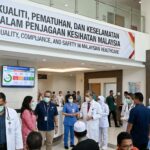
A new chapter is unfolding in Malaysian healthcare. The conversation is shifting from simply providing services to ensuring every aspect of care is safe, effective, and meets a high standard of excellence. This change isn’t happening in a vacuum; it’s driven by more informed patients and a national push towards becoming a leader in regional healthcare. For providers, this means the old ways of operating are no longer enough. The focus has firmly moved towards structured quality management and understanding the rules that govern our industry. Navigating this landscape is now a critical skill for any healthcare organisation in Malaysia looking to not just survive, but to truly lead the way in patient care and build lasting trust.
The Evolving Landscape of Malaysian Healthcare Quality
For years, the growth of healthcare in Malaysia was about expansion—more hospitals, more clinics, and wider access. Today, the focus has matured. The new benchmark for success is quality. This evolution is marked by an increasing emphasis on formal industry standards and regulations. We are seeing a clear move towards systems that can consistently deliver safe and reliable patient outcomes. It’s no longer enough to just have skilled doctors and nurses; the entire operational framework, from the front desk to the laboratory, must adhere to proven quality management principles. Understanding this shift is the first step for any healthcare provider wanting to stay relevant and respected in this changing environment.

Adherence to Standards: Your Competitive Advantage
In a crowded market, what makes one clinic or hospital stand out? Increasingly, the answer is a demonstrable commitment to quality. This is where initiatives like Good Laboratory Practices (GLP) and Quality Management Systems (QMS) become more than just acronyms; they become powerful tools for building a reputation. Implementing a QMS, for example, provides a systematic approach to managing processes and ensuring services consistently meet patient and regulatory requirements. This dedication to Healthcare Quality Assurance in Malaysia signals to patients that their safety and well-being are your top priorities. It’s a move that builds deep-seated trust and differentiates your practice as a leader in dependable, high-quality care, giving you a clear competitive advantage.
Navigating the Regulatory Framework
The rules governing healthcare in Malaysia are not static. As the industry advances, so do the guidelines from bodies like the Ministry of Health. Staying on top of these changes is essential. However, true compliance is about more than just ticking boxes before an audit. It’s about understanding the spirit of the regulations and integrating them into your daily operations. Proactive Regulatory Compliance in the Malaysian Healthcare Sector means anticipating changes, training staff accordingly, and creating a workplace culture where following the right procedures is second nature. By adapting gracefully to new requirements, you not only avoid penalties but also improve your operational efficiency and reduce risks associated with errors or oversights.

The Tangible Benefits of Embracing Quality
Adopting robust quality standards delivers benefits that ripple throughout an organisation. The most important, of course, is the improvement in patient outcomes. When processes are standardised and monitored, the risk of clinical errors drops, leading to safer treatment and better results. This naturally boosts patient satisfaction and loyalty. But the advantages don’t stop there. A well-run quality system can lead to greater operational efficiency, reducing waste and optimising resources. It also strengthens the reputation of a healthcare provider, making it an employer of choice for top talent and a trusted partner for patients. In short, investing in quality is an investment in the long-term health of your organisation.
Staying Ahead by Building a Culture of Improvement
The journey towards excellence is ongoing. The most successful healthcare organisations are those that view quality management not as a one-time project, but as a continuous cycle of improvement. This involves creating a culture where every team member feels empowered to identify areas for enhancement and suggest solutions. It means regularly reviewing performance data, seeking patient feedback, and being willing to refine processes. This proactive approach to Healthcare Quality Assurance in Malaysia ensures that your organisation doesn’t just meet the standards of today but is prepared for the challenges of tomorrow. By fostering a culture of continuous improvement, you create a resilient and forward-thinking organisation poised for sustained success.
In summary, the Malaysian healthcare industry is at a pivotal moment. The move towards stringent quality standards and regulatory oversight is redefining what it means to be a top-tier provider. For healthcare organisations, this is a call to action. Embracing this change means seeing standards not as a burden, but as a blueprint for excellence. By investing in quality management systems, understanding the nuances of Regulatory Compliance in the Malaysian Healthcare Sector, and fostering a culture of continuous improvement, providers can enhance patient safety, build an impeccable reputation, and secure their place as leaders. This journey is about more than compliance; it is a fundamental commitment to delivering the best possible care for the people of Malaysia.