Building Trust in Malaysian Healthcare: The Push for Quality and Safety
Picture the sense of reassurance you feel when stepping into a modern, well-managed medical facility. That confidence doesn’t happen by chance. It is built upon a foundation of strict rules, consistent practices, and a deep-seated commitment to your well-being. Across Malaysia, there is a growing focus on strengthening this very foundation. The conversation is shifting beyond just treatment to encompass the entire patient journey, ensuring it is safe, efficient, and respectful. In this article, we will explore the critical importance of healthcare standards in the country. We will look at the governing bodies setting the benchmarks, the emerging trends shaping the future of care, and how healthcare organisations are adapting to deliver services that you can truly trust.
The Bedrock of Quality: Regulatory Frameworks in Malaysian Healthcare
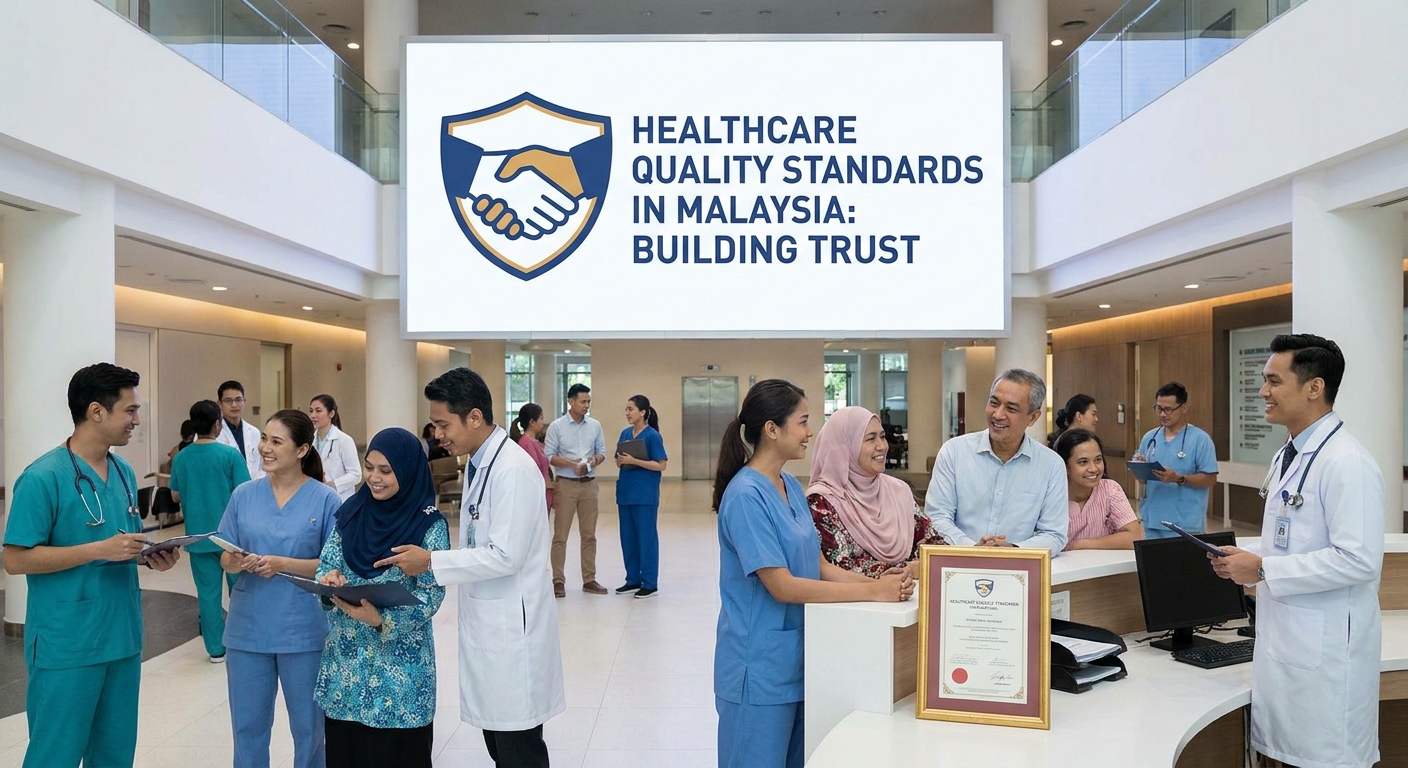
In Malaysia, the quality of healthcare is not left to guesswork. It is guided by a structured framework led by key organisations. The Ministry of Health (MOH) stands as the principal regulator, setting national policies and guidelines that all healthcare providers must follow. Working alongside the MOH is the Malaysian Society for Quality in Health (MSQH), an independent body dedicated to improving healthcare quality through accreditation. When a hospital or clinic earns MSQH accreditation, it is a public declaration that it has met a comprehensive set of national standards for patient safety, service delivery, and facility management. This process involves rigorous assessments and encourages a culture of continuous improvement, ensuring that compliance is not a one-time event but an ongoing commitment.

Adapting to a New Era: Emerging Trends in Healthcare Standards
The world of medicine is always moving forward, and so are the standards that govern it. In Malaysia, we are seeing a clear shift towards more specialised training and certification. This goes beyond doctors and nurses to include everyone involved in patient care, from laboratory technicians handling sensitive tests to administrators managing patient data. As new technologies like telemedicine become more common, new standards are being developed to ensure these digital services are secure, reliable, and effective. This evolution is not happening in isolation. It involves close collaboration between government agencies, private healthcare providers, and technology experts to ensure that innovation and safety go hand in hand, ultimately shaping superior healthcare quality standards Malaysia.
More Than a Patient: The Focus on People-Centric Care
Exceptional healthcare goes beyond technical skill; it involves empathy, communication, and respect. This is the core of a patient-centric approach. It means healthcare providers take the time to listen to your concerns, clearly explain your treatment options, and involve you and your family in decisions about your care. This philosophy is now being woven into the fabric of our healthcare standards. For instance, accreditation requirements often mandate that facilities must have clear procedures for handling patient feedback and complaints. This ensures your voice is heard and used to make tangible improvements. By prioritising these human elements, the industry is striving to provide patient-centric healthcare services Malaysia that treat the person, not just the illness.

Strategies for Staying Ahead: How Healthcare Providers Can Adapt
For healthcare organisations, keeping up with evolving standards requires a proactive and strategic approach. It is not simply about ticking boxes for compliance. A forward-thinking organisation invests in continuous education for its staff, ensuring they are proficient with the latest procedures and technologies. They also foster a workplace culture where every team member, from the front desk to the operating theatre, feels empowered to raise concerns about safety and quality. Adopting a mindset of continuous improvement—regularly reviewing internal processes, actively seeking patient feedback, and making data-driven adjustments—is essential. This commitment transforms regulatory guidelines from a set of rules into a practical roadmap for achieving excellence in patient care and safety.
Conclusion: A Healthier Future for All Malaysians
The determined effort to elevate healthcare standards across Malaysia is more than a regulatory exercise; it is a promise to every citizen. It is about building a system where every patient can expect safe, effective, and compassionate care, regardless of where they seek it. From the stringent guidelines set by the Ministry of Health and MSQH to the adoption of new technologies and a deeper focus on the patient experience, every step is part of a larger journey. By embracing robust healthcare quality standards Malaysia and promoting truly patient-centric healthcare services Malaysia, we are collectively investing in a healthier, more secure future for our nation. This shared commitment ensures that our healthcare system not only heals but also inspires confidence and trust for generations to come.