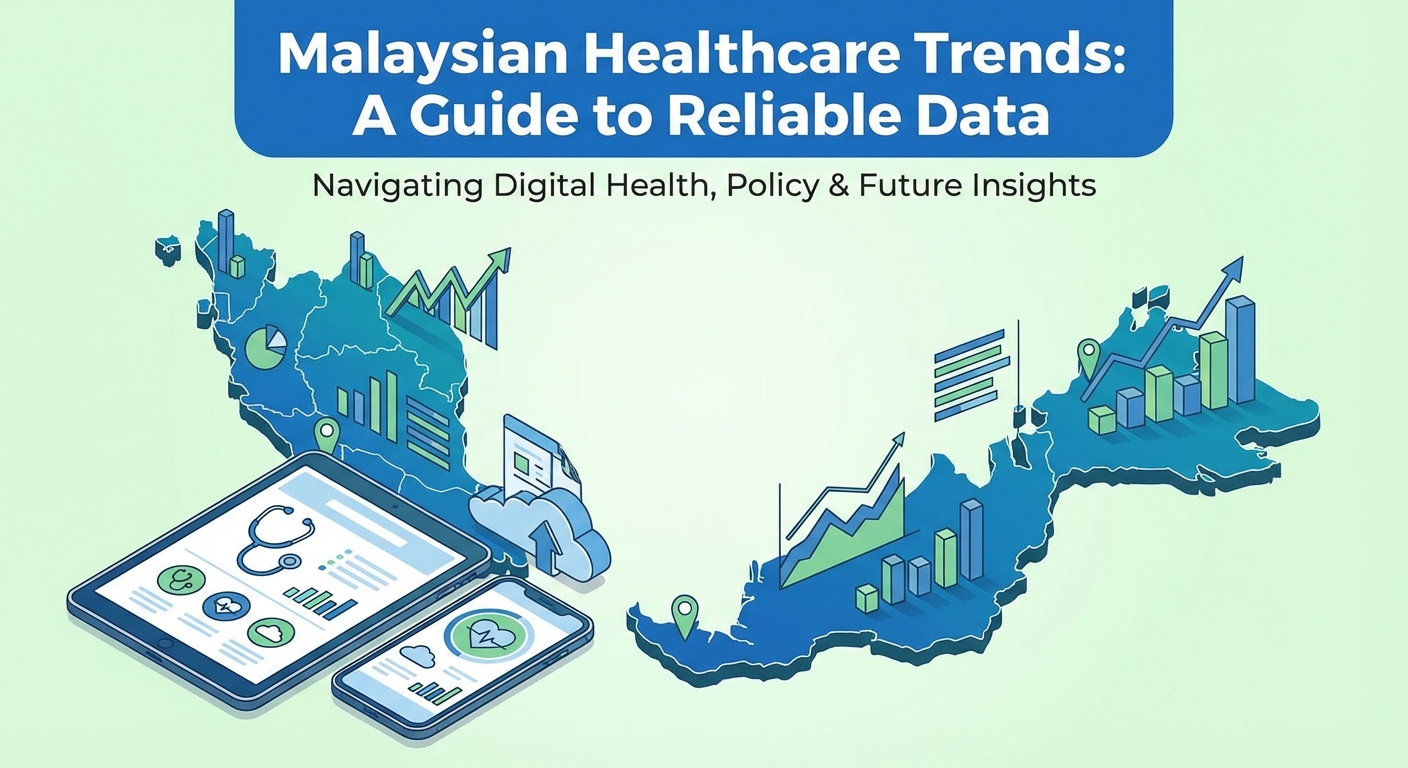
Ever felt like you were navigating a labyrinth when searching for clear information online? You type in a search, hoping for straightforward answers, but instead, you are met with a wall of complex documents, official notices, and jargon-filled reports. It can be frustrating, especially when the topic is as important as our health. We have seen this happen time and again, where searches for health insights lead to administrative announcements from governmental bodies—information that, while official, doesn’t actually tell us about the bigger picture of our nation’s health. This article is our commitment to cutting through that noise. We will explore why not all data is created equal and, more importantly, guide you towards the reliable sources that offer genuine insights into our health landscape.

The Difference Between a Notice and a Narrative
At first glance, a document from an official source like the Jabatan Standard Malaysia (Department of Standards Malaysia) seems like a credible place to find information. These documents are professional and important, but their purpose is administrative. They might announce a new regulation, an update to a procedural standard, or a scheduled activity. They tell a story about governmental process, not public health. A true health trend report, on the other hand, tells a narrative. It analyses data from thousands of people to reveal patterns in public health, such as rising rates of diabetes, changes in mental health awareness, or the adoption of new digital health tools. Mistaking an administrative notice for a health narrative is like reading a car’s service manual to understand traffic patterns—you have the right subject, but the wrong kind of information.
Why Relying on the Right Data is So Important
Using the wrong data can lead us down a misleading path. For businesses in the health sector, it could mean investing in a service that nobody needs. For families, it could mean worrying about a non-existent threat or ignoring a real one. Accurate information empowers us to make better decisions. When we understand the true health challenges and opportunities in Malaysia, we can focus our energy effectively. It helps policymakers create better programmes, allows healthcare providers to offer more relevant care, and enables every individual to take more informed steps towards a healthier life. Quality data is not just for experts; it is a fundamental tool for building a healthier community for everyone.
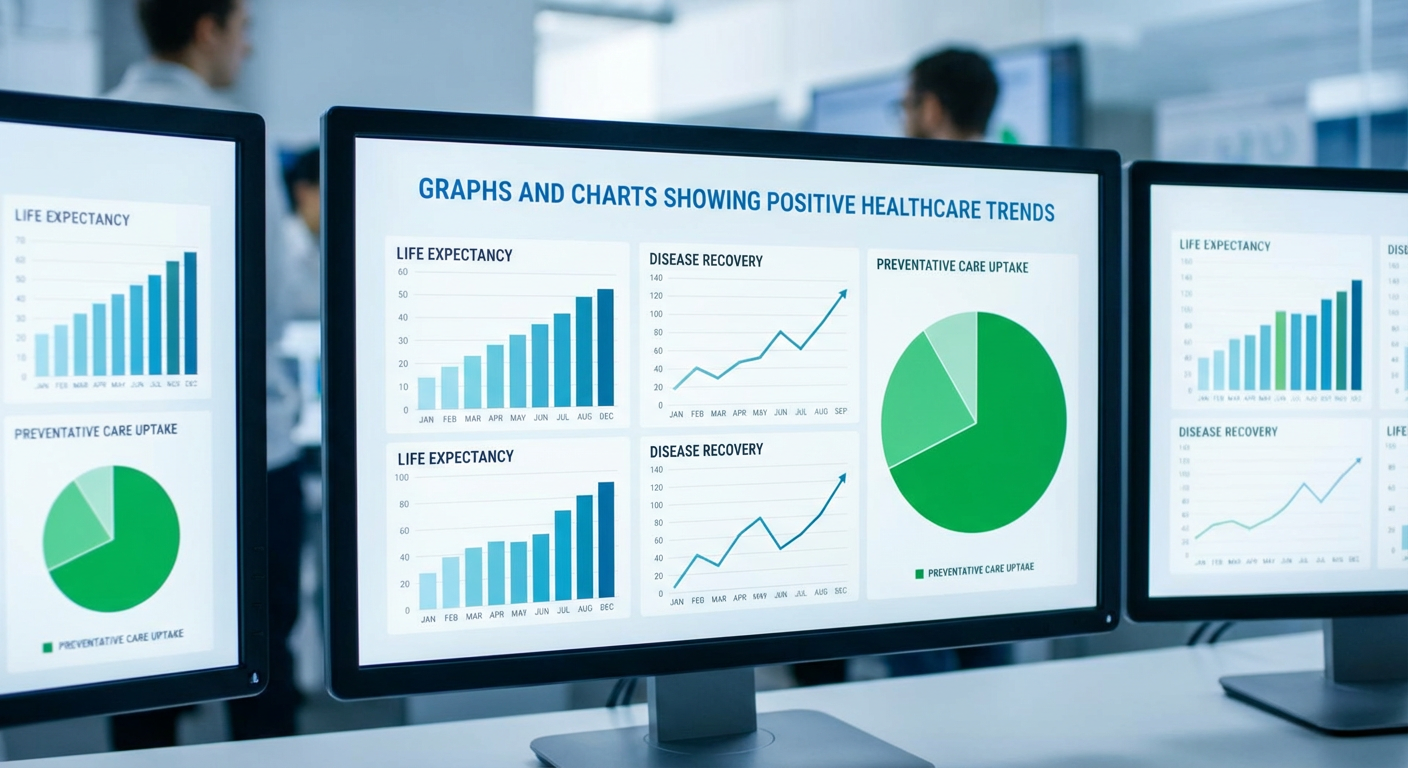
Where to Find Genuine Malaysian Healthcare Trends
So, where should we look for this quality information? The key is to know which sources are dedicated to telling the story of our nation’s health. In Malaysia, we are fortunate to have some excellent resources. The Ministry of Health’s (Kementerian Kesihatan Malaysia) regular publications, especially the National Health and Morbidity Survey (NHMS), are the gold standard. These surveys are comprehensive, research-backed studies that provide a clear and detailed snapshot of our population’s health.
Beyond direct government health reports, reputable news outlets with dedicated health sections, such as CodeBlue, offer excellent analysis and reporting on the latest Malaysian healthcare trends. They often break down complex reports into understandable articles, making the information accessible to everyone.
Expanding Our View with a Global Perspective
While understanding our local context is key, our health landscape is also influenced by global shifts. To get the full picture, it is incredibly useful to look at international healthcare industry insights. Organisations like the World Health Organization (WHO) provide a wealth of data and reports on regional and global health matters. Furthermore, major global consulting firms such as Deloitte, PwC, and EY regularly publish in-depth analyses on the future of health. These reports can offer a glimpse into technological advancements, new care models, and wellness movements that are shaping healthcare worldwide and will likely have an impact here in Malaysia.
A Simple Checklist for Trustworthy Information
To make things easier, we have developed a simple checklist. Before you rely on any piece of health information, ask yourself these few questions. This practice helps ensure you are using credible data to form your opinions and make decisions.
- Who published this? Is it a health organisation like the Ministry of Health, a research institution, or an administrative body?
- What is its purpose? Is it an analytical report designed to show trends, or is it an official notice about a regulation or activity?
- Is there data? Does it reference surveys, statistics, or research studies, or is it purely text-based?
- When was it published? Health trends change, so ensure the information is recent enough to be relevant.
By keeping this simple framework in mind, you can quickly filter out the noise and focus on what truly matters. It helps you assess not just local information but also broader international healthcare industry insights with more confidence.
In the end, our goal is to feel empowered, not overwhelmed, when it comes to understanding health. We began by highlighting a common point of confusion: the difference between a simple administrative notice and a meaningful health trend report. Navigating the digital world for reliable data can feel like a challenge, but it does not have to be. By focusing on trusted sources like the Ministry of Health’s reports and credible health journalism, we can gain a clear view of the health landscape in our country. Combining this with a global perspective from reputable international organisations gives us a well-rounded understanding. We encourage you to use this knowledge, ask the right questions, and become a confident consumer of health information. Your health journey deserves to be guided by clarity and truth.