Imagine a future where our hospitals are immune to power cuts, where critical life-support systems run silently and cleanly during an emergency. Picture ambulances refuelling in minutes, not hours, ready for their next life-saving journey. This isn’t a scene from a science-fiction film; it’s the potential reality that hydrogen technology presents to the world. As global conversations around sustainable energy grow louder, Malaysia is actively listening and exploring its own hydrogen path. This has led us to ask a critical question: could hydrogen be the quiet force that transforms Malaysian healthcare for the better? We believe the discussion is not just necessary but timely, as this emerging technology could offer solutions to some of our sector’s longest-standing operational challenges.
Powering a New Era of Medical Resilience
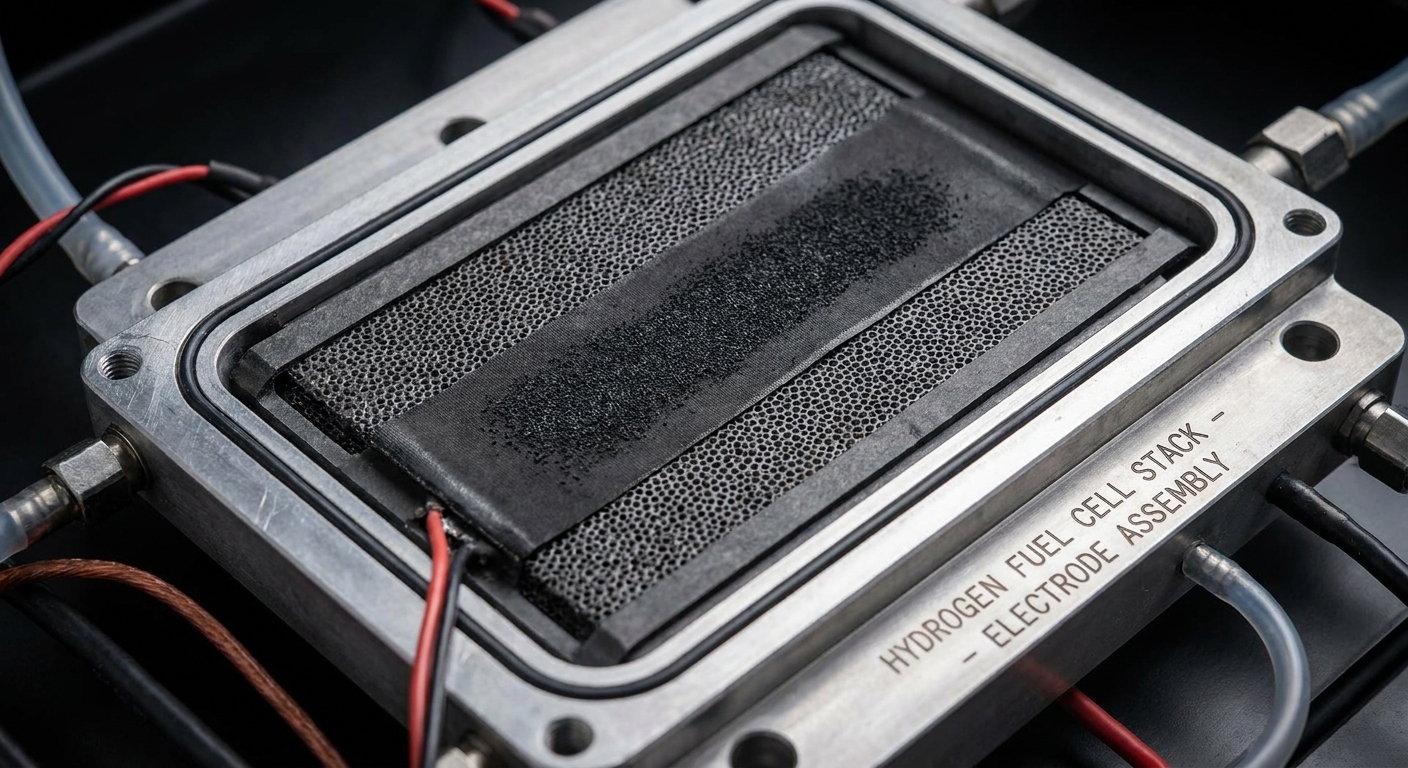
When we discuss hydrogen in a healthcare setting, we’re primarily talking about a consistent and clean source of energy. The core technology here is the fuel cell, which converts hydrogen into electricity, with water being the only byproduct. For any hospital administrator in Malaysia, the thought of power stability is always a top priority. While diesel generators are the current standard for backup power, they come with noise, exhaust fumes, and a reliance on fossil fuels. This is where the potential for hydrogen fuel cell healthcare systems becomes truly compelling. These systems are quiet, produce no harmful emissions on-site, and can provide uninterrupted power for extended periods, safeguarding everything from surgical suites to neonatal intensive care units.
Malaysia’s Strategic Steps into the Hydrogen Economy
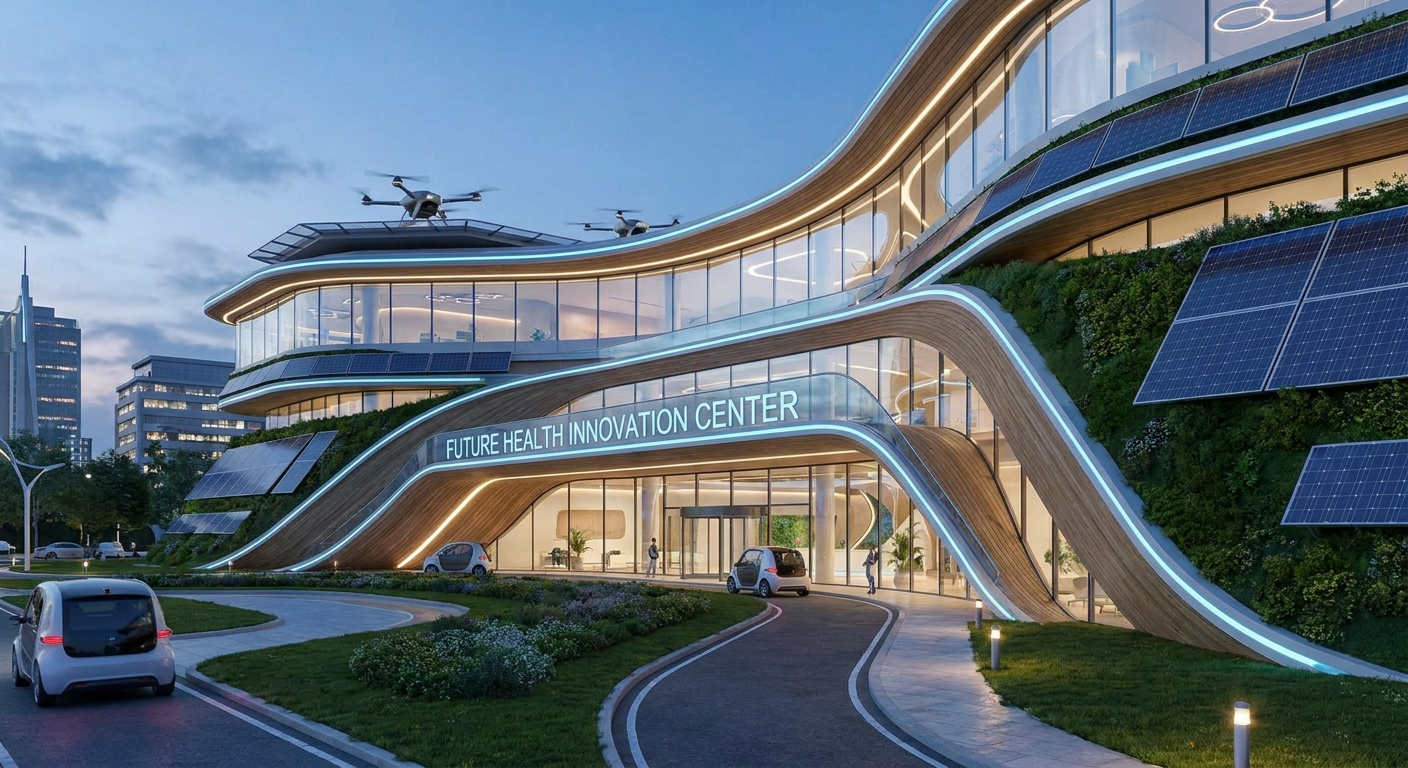
The conversation around hydrogen is not just happening in theory; it’s being driven by strategic national interests. With states like Sarawak positioning themselves as leaders in the hydrogen economy and national-level consultations taking place, the groundwork is being laid. This top-down interest is crucial because it signals a commitment to building the necessary infrastructure. For the healthcare sector, this means the possibility of integrating hydrogen solutions is becoming more realistic. We can start to envision a future where hospitals not only use hydrogen for backup power but also for their primary energy needs, reducing their carbon footprint and operational costs in the long run. This aligns perfectly with the growing global emphasis on sustainable and green hospital operations.
From Backup Power to Mobile Medical Solutions
The application of hydrogen extends far beyond stationary power. Think about the equipment that moves within a hospital’s walls. Mobile X-ray machines, computer workstations on wheels, and portable patient monitors all require a reliable power source. Relying on wall outlets or heavy, slow-charging batteries can limit mobility and efficiency. The development of compact hydrogen-powered medical equipment could change this dynamic entirely. Small fuel cells could offer a lighter, longer-lasting, and faster-charging alternative, allowing healthcare professionals to perform their duties with greater flexibility and less downtime. This is particularly relevant for large medical centres where staff and equipment cover significant distances daily.
Enhancing Emergency Response and Patient Transport
Another exciting frontier for hydrogen is in medical transportation. The performance of an ambulance fleet can be a matter of life and death. Hydrogen fuel cell vehicles offer key advantages over both traditional combustion engines and battery electric vehicles (BEVs). They provide a longer range than many BEVs and can be refuelled in a matter of minutes, which is a critical advantage in emergency services where vehicles must always be ready. As Malaysia explores its hydrogen infrastructure, creating “green corridors” for fuelling, our emergency response fleet could become one of the first and most impactful adopters. This would not only make our services more sustainable but also potentially more reliable.
Navigating the Challenges on the Path Forward
Of course, this vision of a hydrogen-powered healthcare system is not without its challenges. The initial cost of adopting fuel cell technology is still high, and the widespread infrastructure for producing, storing, and distributing green hydrogen in Malaysia is still in its infancy. Significant research and development are needed to bring down costs and ensure the solutions are perfectly adapted to a medical environment. This is why the ongoing government consultations and pilot projects are so important. They allow us to understand the practical hurdles and build a clear roadmap for adoption. For healthcare providers, the journey will require careful planning, investment, and a willingness to embrace new operational models.
In conclusion, the prospect of integrating hydrogen technology into Malaysia’s healthcare system is incredibly promising. It offers a clear path toward greater energy resilience, operational efficiency, and environmental sustainability. From ensuring our most critical medical functions are never compromised by a power outage with hydrogen fuel cell healthcare solutions to enhancing the mobility of life-saving tools with hydrogen-powered medical equipment, the potential applications are wide-ranging. While the road to full-scale adoption will have its complexities, the journey has officially begun. It is vital for healthcare leaders, policymakers, and industry partners to remain engaged and informed, as the decisions we make today will shape the foundation of a cleaner, more robust healthcare future for all Malaysians.