Navigating the New Normal: Key Trends Shaping Healthcare in Malaysia
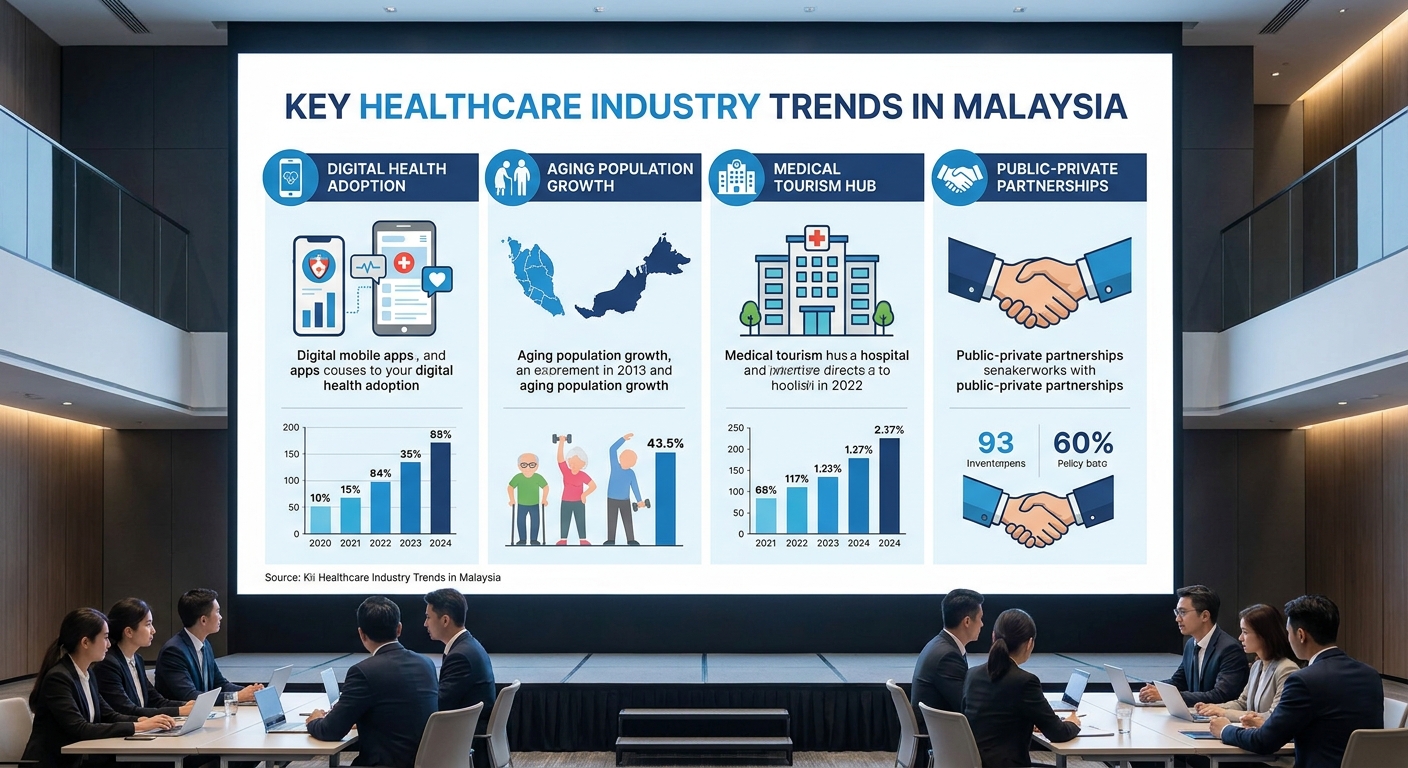
Has your phone become your new clinic waiting room? The way we think about and access healthcare has changed dramatically, and the pace isn’t slowing down. It’s no longer just about seeing a doctor when you’re unwell; it’s about prevention, convenience, and having a more active role in your own well-being. From virtual consultations to a stronger focus on wellness, a new era of healthcare is unfolding right here in Malaysia. For us, navigating this new world means understanding the forces that are shaping it. In this article, we’ll explore the major shifts in technology, patient expectations, policy changes, and the dynamics of our medical workforce. Understanding these key healthcare industry trends is more important than ever for a healthier future.

The Digital Doctor: Technology in Our Daily Health
Just a few years ago, the idea of consulting a doctor through a screen felt like science fiction. Today, it’s a reality for many Malaysians. Digital health solutions, especially telehealth, have moved from being a niche service to a mainstream option. Convenience is a huge driver; the ability to get medical advice without leaving home, navigating traffic in Kuala Lumpur, or sitting in a crowded clinic is a powerful change. But it’s more than just video calls. Remote patient monitoring, where devices track things like blood pressure or sugar levels from home and send data to doctors, is making chronic disease management much more proactive. Behind the scenes, artificial intelligence (AI) is also quietly helping. AI tools can help doctors analyse scans and data more quickly and accurately, leading to earlier diagnoses and better treatment plans.
From Patient to Partner: A Shift in Expectations
Today’s individuals are more informed and involved in their health decisions than ever before. This shift is a major feature of the global healthcare landscape, and it’s very apparent in Malaysia. People no longer want a one-size-fits-all approach. There’s a growing demand for personalised healthcare experiences, where treatment and wellness plans are tailored specifically to an individual’s lifestyle and genetic makeup. This goes hand-in-hand with a greater emphasis on preventive care. Rather than just treating sickness, the focus is moving towards maintaining wellness. We see this in the popularity of fitness trackers, health apps, and a general desire for holistic approaches that consider mental and emotional well-being alongside physical health. Patients are evolving into active partners in their own healthcare journey.

Adapting the Rulebook: Policy and Regulation
With so much rapid change, our healthcare regulations have to keep pace. As digital health services become more common, ensuring the privacy and security of patient data is a top priority. In Malaysia, regulations like the Personal Data Protection Act (PDPA) are being adapted to cover the unique challenges of telehealth and electronic health records. Government initiatives are also playing a huge role in directing the industry. There’s a clear push towards digital transformation within the public health sector, aiming to make services more efficient and accessible for everyone. These policy shifts are not just about control; they are about building a framework of trust so that everyone can confidently embrace new healthcare technologies.
Supporting Our Healthcare Heroes: The Workforce
The professionals at the heart of our healthcare system are also experiencing significant changes. The roles of doctors, nurses, and pharmacists are expanding. They are not just clinicians but also educators and navigators of complex health technologies. However, this evolution comes with challenges. Burnout among healthcare professionals is a serious concern, made worse by the pressures of the recent pandemic and ongoing staff shortages. Recognising this, addressing these challenges is crucial for the future of our healthcare industry trends. Strategies are being developed to improve work-life balance, provide better mental health support, and use technology to automate administrative tasks, freeing up professionals to focus on what they do best: caring for patients. Retaining our skilled medical talent in Malaysia is essential for a strong health system.
Conclusion: Embracing a Healthier Tomorrow
The healthcare sector is in a period of exciting transformation. The integration of technology is making care more accessible, patients are becoming more empowered, and policies are evolving to support this new environment. At the same time, we must remain focused on supporting the dedicated professionals who make it all work. These trends are not happening in isolation; they are interconnected, each influencing the others. As Malaysia finds its place within the evolving global healthcare landscape, staying informed and adaptable is key for patients, providers, and policymakers alike. By embracing these changes thoughtfully, we can build a healthcare system that is not only more efficient and convenient but also more personalised and focused on the complete well-being of every Malaysian.