Sifting through the digital noise for genuine insight can often feel like searching for a needle in a haystack. This is especially true when trying to understand the future of healthcare in Malaysia. A quick search can pull up everything from technical government meetings to unrelated industrial bulletins, leaving you more confused than when you started. We have been there ourselves, and we understand the frustration. That is why we have put this guide together. It is not just about listing trends; it is about showing you how to find reliable information and understand the powerful changes shaping our nation’s health landscape. This article is your starting point for becoming a more informed patient, professional, or policymaker in our ever-evolving healthcare system.
Finding Your North Star in a Sea of Information
The journey to understanding healthcare trends begins with knowing where to look. The internet is flooded with opinions, but credible data comes from specific, trustworthy sources. When we conduct our research, we turn to a handful of tried-and-tested organisations. The World Health Organization (WHO) offers a global benchmark, helping us see how Malaysia’s health challenges and successes stack up internationally. Locally, publications from our own Ministry of Health (Kementerian Kesihatan Malaysia), such as the National Health and Morbidity Survey, provide the most relevant data on the health of Malaysians. Furthermore, international healthcare journals and summaries from major medical conferences give a glimpse into the latest clinical advancements and discoveries that could soon arrive on our shores.
Asking the Right Questions to Get Quality Answers
Once you know where to look, you need to know what to ask. Vague searches yield vague results. To get to the heart of the matter, your search queries must be specific and targeted. For example, instead of just typing “healthcare,” a more precise phrase like “Malaysian healthcare industry trends” will filter out the noise and bring you closer to relevant analytical reports and articles. This small change in approach can make a world of difference, leading you to substantive content rather than administrative notices. By refining your search, you take control of the information you consume and ensure it is directly applicable to our local context.
The Key Shifts Defining Malaysian Healthcare
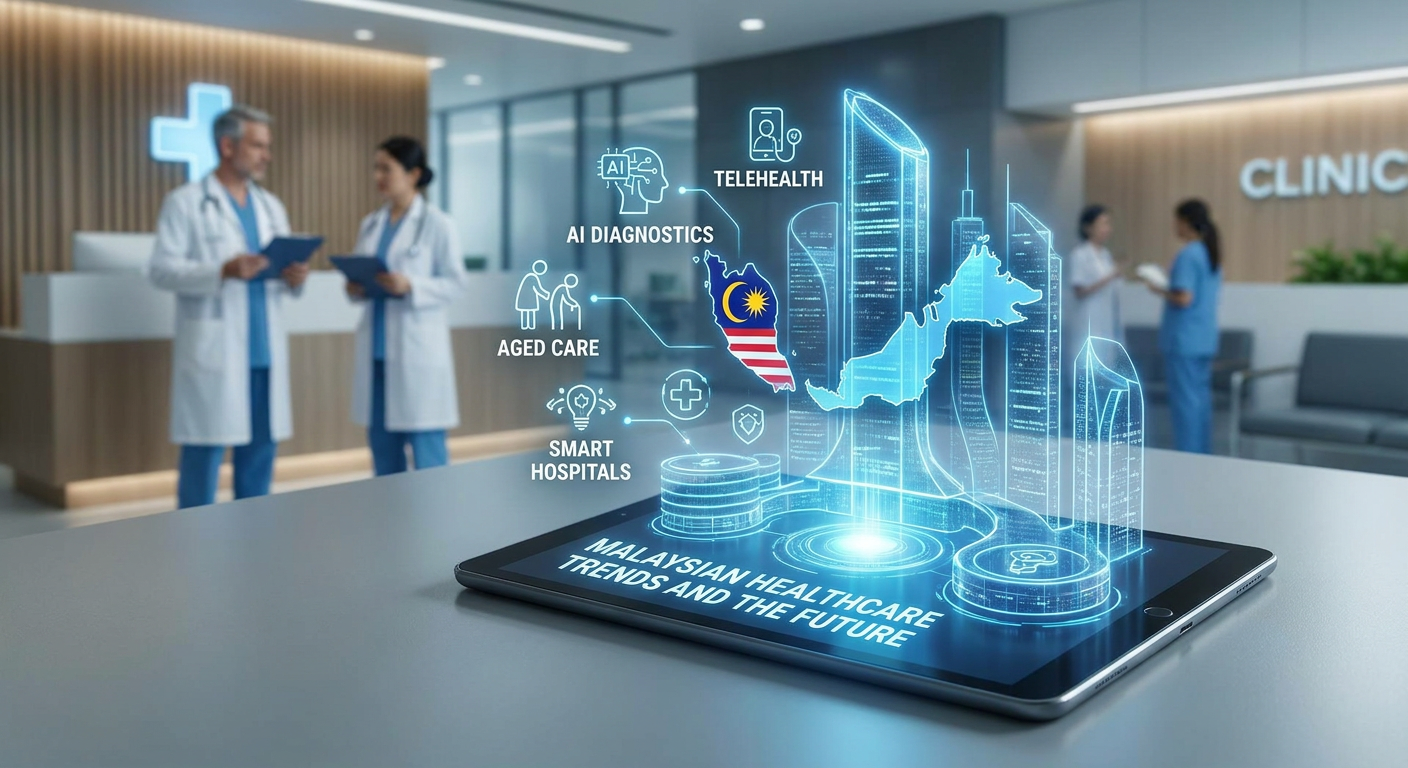
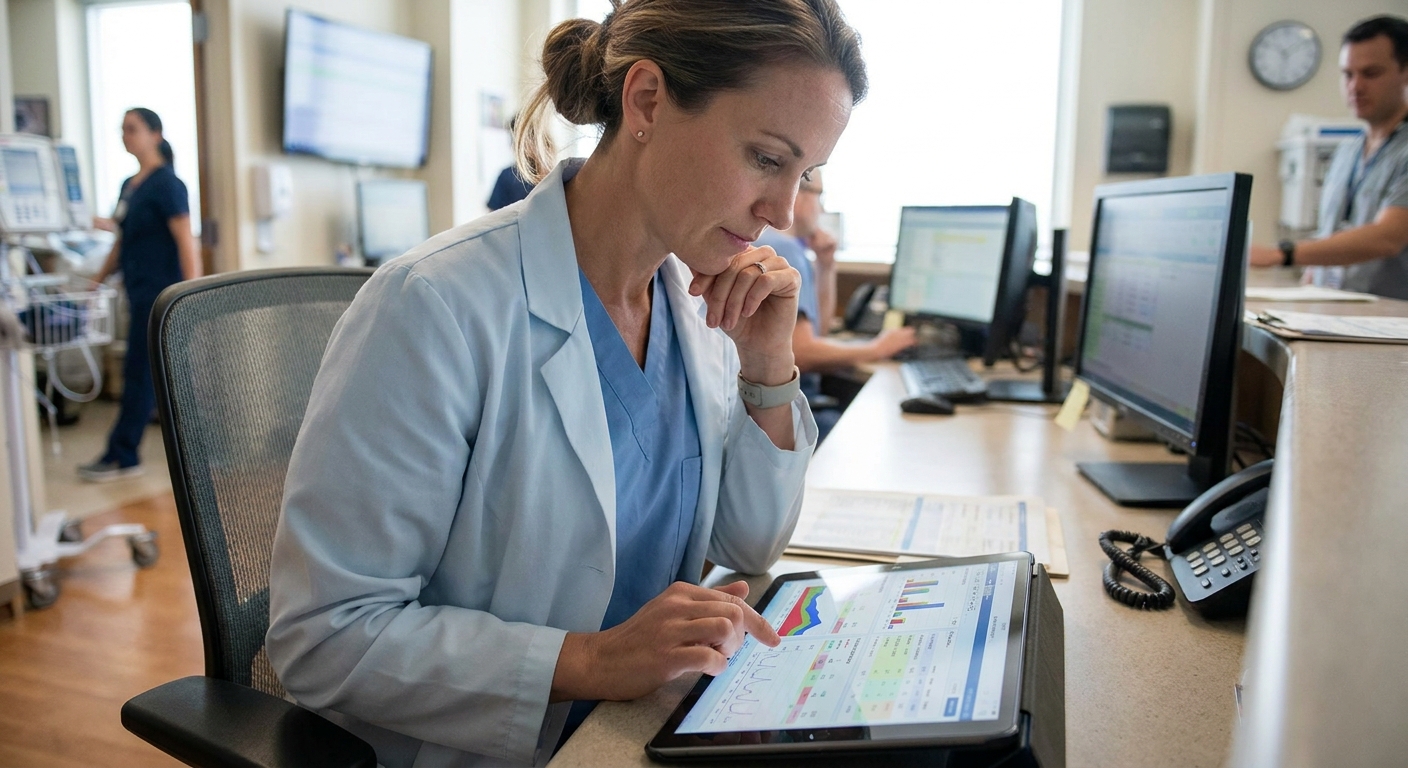
So, what do you find when you search correctly? Several key movements are reshaping healthcare in Malaysia. The most noticeable is the rapid digital transformation. We’re seeing a significant increase in the adoption of telehealth, allowing patients in remote areas of Sabah and Sarawak to consult with specialists in Kuala Lumpur. Hospitals are slowly but surely transitioning to Electronic Medical Records (EMRs), aiming for a more seamless flow of patient information. This move towards digitalisation is one of the most significant emerging technologies in Malaysian healthcare, promising to make our system more efficient and patient-centred.
Embracing Preventive Care and an Ageing Society
Beyond technology, there is a fundamental shift in philosophy. The focus is moving from simply curing illness to actively preventing it. Government initiatives and public awareness campaigns are increasingly encouraging healthier lifestyles, regular screenings, and vaccinations. This preventive approach is crucial, especially as Malaysia becomes an ageing nation. By 2030, our country is expected to be an ageing society, which brings a greater need for specialised geriatric care, home healthcare services, and chronic disease management. These are not just future concepts; they are the realities that our healthcare system is preparing for today.
What These Trends Mean for Us
These changes have real-world implications for everyone. For healthcare professionals, it means a continuous need to upskill, particularly in digital literacy and new clinical techniques. For patients, these trends promise greater access to care, more personalised treatment plans, and more control over their own health journey. Imagine being able to monitor your blood pressure through an app that automatically shares data with your doctor, or having a video call with a nutritionist without leaving your home. This is the future that the current Malaysian healthcare industry trends are building—a future that is more connected, proactive, and personal.
To conclude, staying informed in today’s world requires more than just a casual browse. It demands a deliberate and focused approach. By turning to trusted sources like the WHO and our own Ministry of Health, and by using precise search terms, you can cut through the clutter and find meaningful insights. The key developments we have discussed—the rise of emerging technologies in Malaysian healthcare, the pivot to preventive medicine, and the preparations for an ageing population—are not just abstract ideas. They are actively shaping the care you and your family will receive. Staying aware of these shifts empowers you to make better decisions, whether as a professional in the field or as a proactive guardian of your own health.