Imagine building a skyscraper. Without a solid blueprint and strict building codes, the entire structure would be at risk. The Malaysian healthcare system is much the same; its strength and reliability depend on a clear and evolving set of standards and regulations. As our nation’s healthcare sector advances, this “blueprint” is being redrawn, placing a greater emphasis on quality, safety, and efficiency. This shift isn’t just about new rules; it’s a fundamental change in how we approach patient care. At our core, we believe that understanding these developments is essential for every healthcare provider and administrator. This article will explore these new trends, looking at how quality management, regulatory changes, and even concepts from industrial engineering are shaping the future of healthcare in Malaysia.
The Evolving Blueprint for Patient Care
The push for higher standards in Malaysian healthcare is not a sudden development, but a steady evolution driven by a collective goal: to enhance patient safety and public trust. The focus has shifted from simply treating illness to delivering care within a framework of proven quality and consistency. Regulatory bodies, such as the Ministry of Health, are continually refining guidelines for everything from clinical practices to the management of medical facilities. This is about creating a predictable, high-quality experience for every patient, whether they visit a small local clinic or a large urban hospital. It ensures that the care provided is not only effective but also safe, minimising risks and building confidence in the system as a whole.
Quality Management: Beyond Ticking Boxes
Many view quality management as a bureaucratic exercise in paperwork and audits. However, its true purpose runs much deeper. It is a continuous commitment to improvement that touches every aspect of a healthcare organisation. Implementing a robust system for healthcare quality management malaysia means establishing processes that actively identify potential problems, streamline operations, and ultimately lead to better patient outcomes. For example, a hospital might use quality management principles to reduce patient waiting times or refine sterilisation procedures to lower infection rates. It is a proactive approach that turns daily operations into opportunities for growth and excellence, embedding quality into the very culture of an organisation.

The Practical Realities of Regulatory Compliance
Staying current with regulations is a significant challenge for healthcare providers. The landscape of malaysian healthcare regulatory compliance is complex and constantly changing, with bodies like the Medical Device Authority (MDA) introducing new requirements for equipment and technology. Achieving compliance demands considerable resources—investment in training, dedicated staff, and updated technology. While this can seem daunting, it is a non-negotiable part of modern healthcare. Adherence to these standards is what protects patients from harm, shields organisations from legal issues, and upholds the professional integrity of the entire industry. It is a necessary investment in building a safe and trustworthy healthcare environment for everyone.
Fresh Perspectives from Industrial Engineering
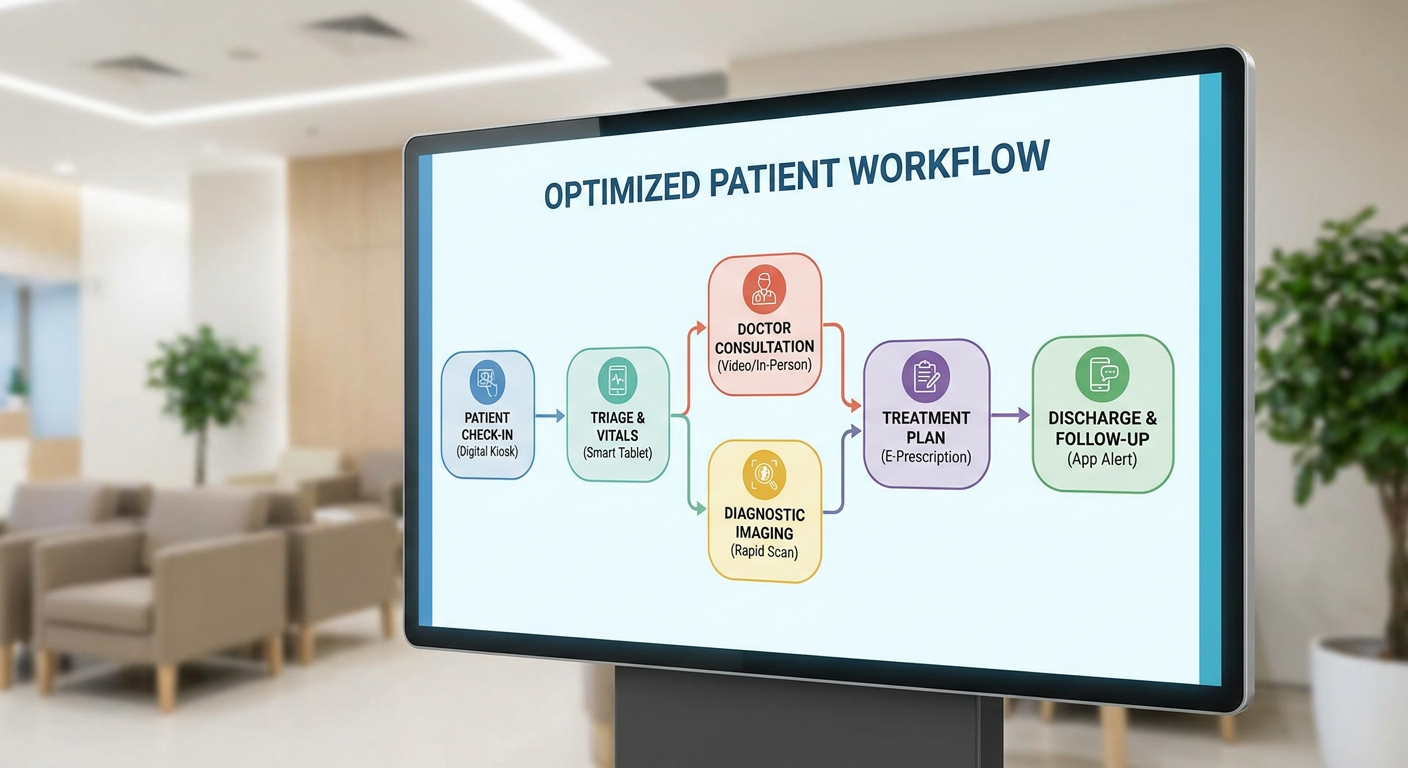
To deliver better care more efficiently, the healthcare sector is now borrowing smart ideas from other fields, particularly industrial engineering. Principles like Lean and Six Sigma, which were developed to optimise manufacturing processes, are being used to make hospitals and clinics run more smoothly. This could mean redesigning a patient admission process to make it faster and less stressful, or optimising an operating theatre’s schedule to serve more patients safely. This focus on efficiency also extends to emerging technologies. For instance, as new technologies like hydrogen for clean energy sources in facilities become viable, new standards will be needed to ensure their safe implementation, demonstrating how quality extends beyond direct patient care into the operational backbone of our healthcare institutions.
A Call for Proactive Leadership
For healthcare administrators and policymakers, navigating this new landscape requires vision and proactive leadership. The goal should not be to simply react to new regulations but to foster an organisational culture where quality is a shared value. Leaders must champion the importance of strong healthcare quality management malaysia, viewing it as a strategic advantage rather than just an operational cost. Providing teams with the necessary training and tools to understand and manage malaysian healthcare regulatory compliance is crucial. By empowering their organisations to embrace these standards, leaders are not just ensuring compliance; they are investing in long-term resilience, better patient outcomes, and a stronger reputation in the community.
Conclusion: Building a Healthier Future Together
The growing emphasis on standards and regulations in Malaysia is more than a trend; it is the foundation for a stronger, more patient-focused healthcare system. As we have explored, this evolution touches everything from high-level policy to the day-to-day processes within a clinic. By embracing robust quality management, navigating the complexities of regulatory compliance, and adopting innovative ideas from fields like industrial engineering, we move towards a system that is not only effective but also exceptionally safe and efficient. For us, and for all healthcare leaders in Malaysia, this is our shared responsibility. By working together to uphold and advance these standards, we can build a healthcare future that all Malaysians can trust and depend on for generations to come.