Have you ever paused to consider the immense trust we place in our healthcare system? From a routine check-up at a local clinic to a major procedure in a bustling hospital, we count on a silent promise of safety, expertise, and care. This promise is not a matter of chance; it is the direct result of a robust and ever-improving framework designed to protect and serve every Malaysian. In recent years, Malaysia’s healthcare sector has intensified its focus on this very foundation. We are witnessing a concerted effort to elevate standards and streamline regulations across the board. This article explores this crucial trend, examining how enhanced training, smarter compliance, and collaborative governance are shaping a healthier, safer future for our nation.

The Bedrock of Trust: Why Quality Standards Matter
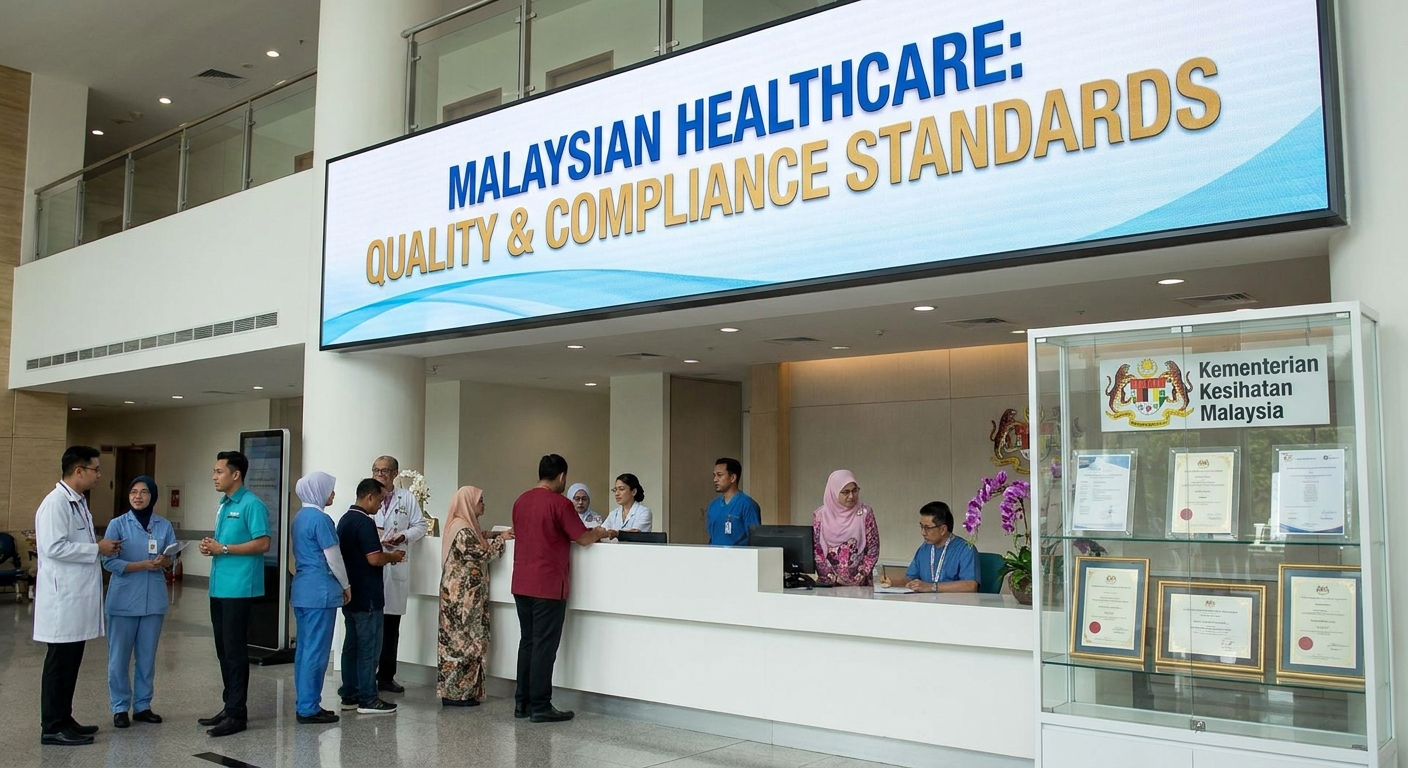
At its core, healthcare is built on confidence. Patients need to feel confident in their diagnoses, treatments, and the professionals delivering them. This confidence comes from knowing that a consistent and high level of quality is maintained everywhere. In Malaysia, organisations like the Malaysian Society for Quality in Health (MSQH) play a key role by providing accreditation to hospitals and healthcare facilities. This accreditation is not just a certificate on the wall; it is a signal to the public that a facility has met a comprehensive set of criteria covering patient safety, clinical practices, and facility management. It ensures that whether you are in Kuala Lumpur or Kota Kinabalu, the standard of care you receive is reliable and adheres to established best practices. This commitment to quality is the bedrock upon which our entire healthcare system’s trustworthiness is built.
Nurturing Expertise: A New Era of Professional Development
A great healthcare system relies on great people. Recognising this, there is a growing emphasis on going beyond basic qualifications to ensure our healthcare professionals are continually learning and improving. It is no longer enough to simply earn a degree; the focus has shifted to lifelong learning and specialisation. The enforcement of the Allied Health Professions Act 2016 (Act 774), for instance, was a landmark move. It brought much-needed regulation and recognition to 23 different professions, including physiotherapists, medical laboratory technologists, and dietitians. This ensures they are properly certified and adhere to professional codes of conduct. For doctors and specialists, the mandatory collection of Continuous Professional Development (CPD) points ensures they remain up-to-date with the latest medical advancements and techniques, directly translating to better patient care.

Working Smarter: Streamlining Regulatory Processes
Rules and regulations are essential for safety, but they shouldn’t create unnecessary hurdles for those providing care. The Malaysian government and healthcare bodies understand this delicate balance. There is a clear trend towards making regulatory compliance in the Malaysian healthcare industry more efficient and less burdensome. This involves moving away from slow, paper-based systems towards streamlined digital platforms for licensing, reporting, and audits. Furthermore, there’s a strong spirit of collaboration. Regulatory bodies like the Ministry of Health actively engage in dialogues with private sector stakeholders, such as the Association of Private Hospitals Malaysia (APHM), to refine policies. This ensures that regulations are not only strong but also practical, workable, and conducive to a thriving healthcare environment.
Staying Ahead of the Curve for a Safer Tomorrow
The world of medicine is constantly changing, and our healthcare framework must evolve with it. New challenges, from the rise of digital health and telemedicine to the increasing expectations of medical tourists, demand a proactive approach to governance. Regulators are now tasked with creating guidelines for online consultations, ensuring patient data privacy is protected in a digital age, and maintaining standards that position Malaysia as a top healthcare destination. Upholding rigorous quality controls is not a one-time task but a continuous cycle of assessment, adaptation, and improvement. By constantly refining our healthcare quality standards Malaysia is not just keeping pace with global trends but is also actively working to create a safer, more effective, and resilient system for the future.

In summary, the growing emphasis on quality and compliance is one of the most significant and positive trends in Malaysian healthcare today. It is a multi-faceted effort that touches every corner of the industry. From the rigorous training and certification of our healthcare professionals to the collaborative efforts aimed at making regulatory compliance in the Malaysian healthcare industry more effective, every step is taken with the patient’s well-being in mind. This commitment ensures that the trust we place in our doctors, nurses, and hospitals is well-founded. By continuing to uphold and enhance our healthcare quality standards Malaysia is not only guaranteeing safer and more effective care for its citizens but is also solidifying its reputation as a regional leader in healthcare excellence.